Last updated November 22, 2026
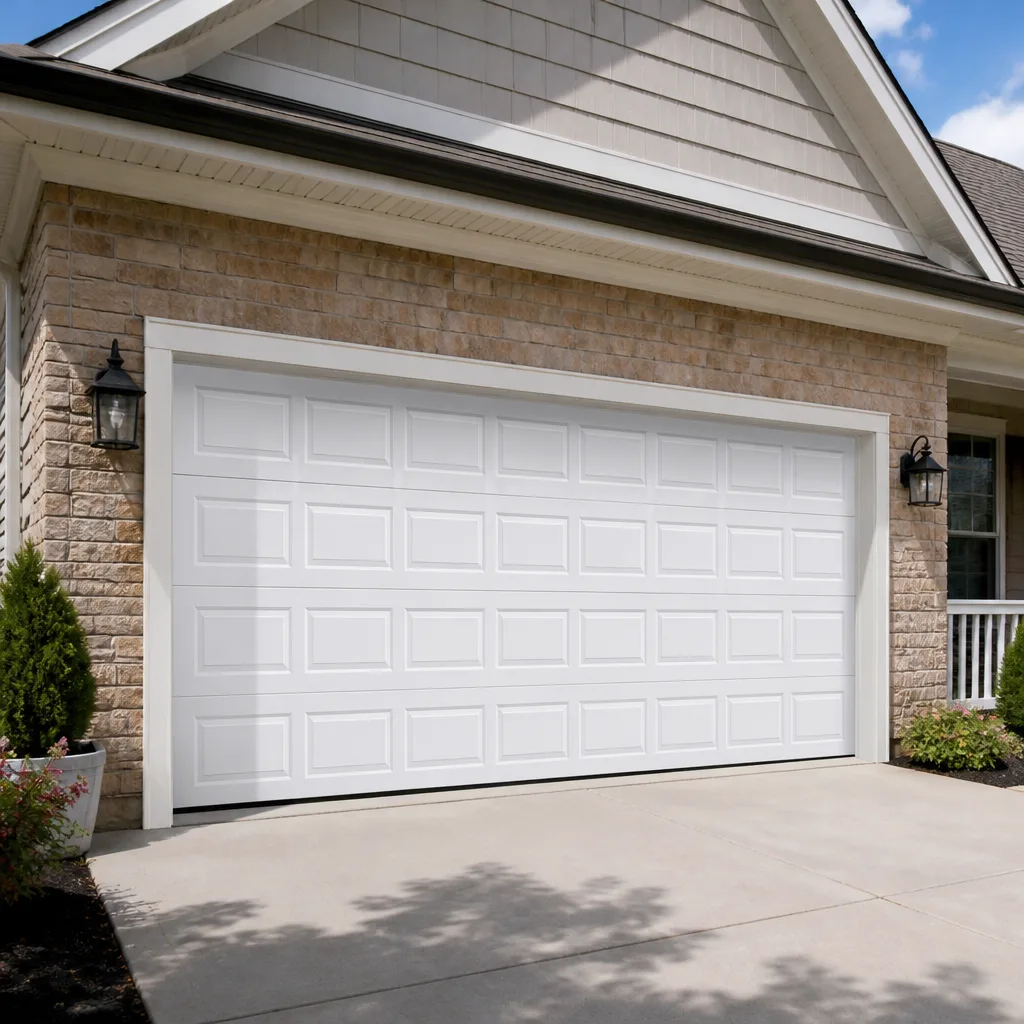 Raised-panel steel
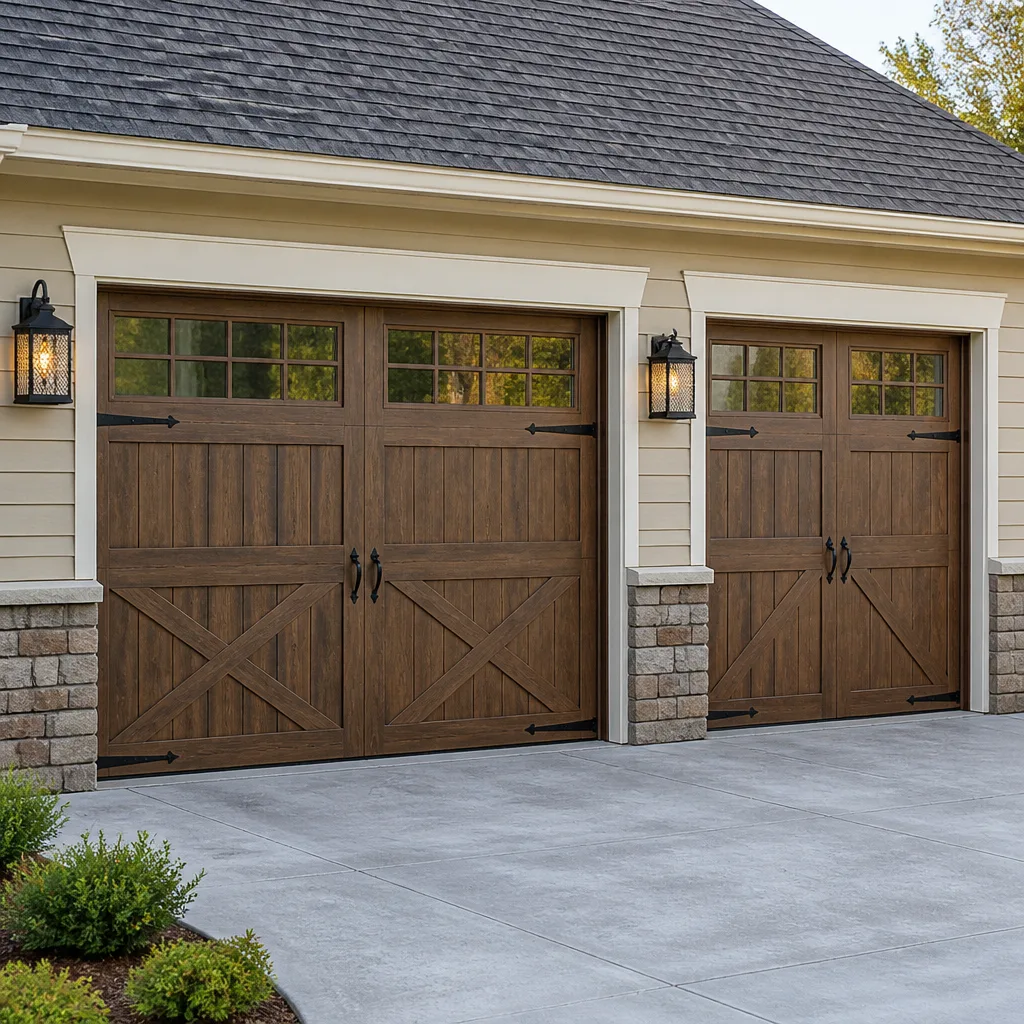 Carriage house
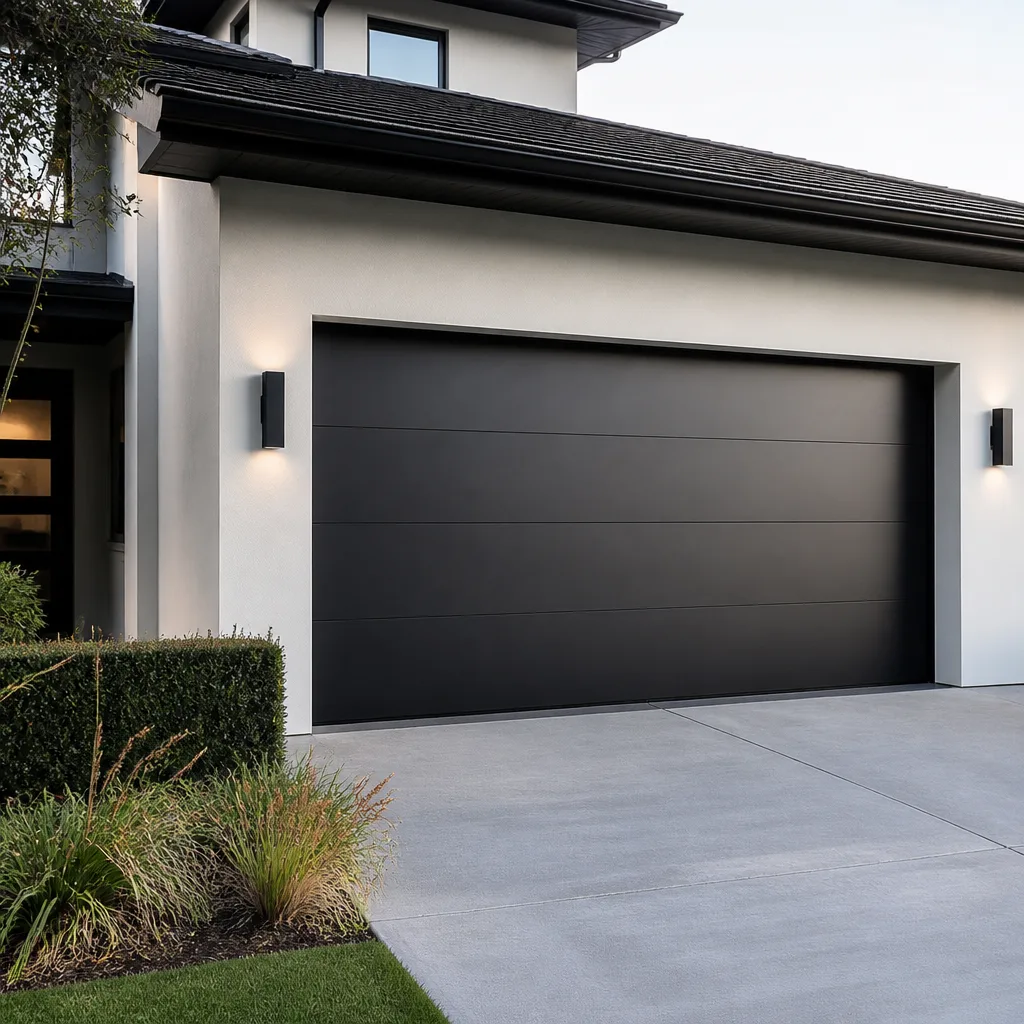 Modern flush
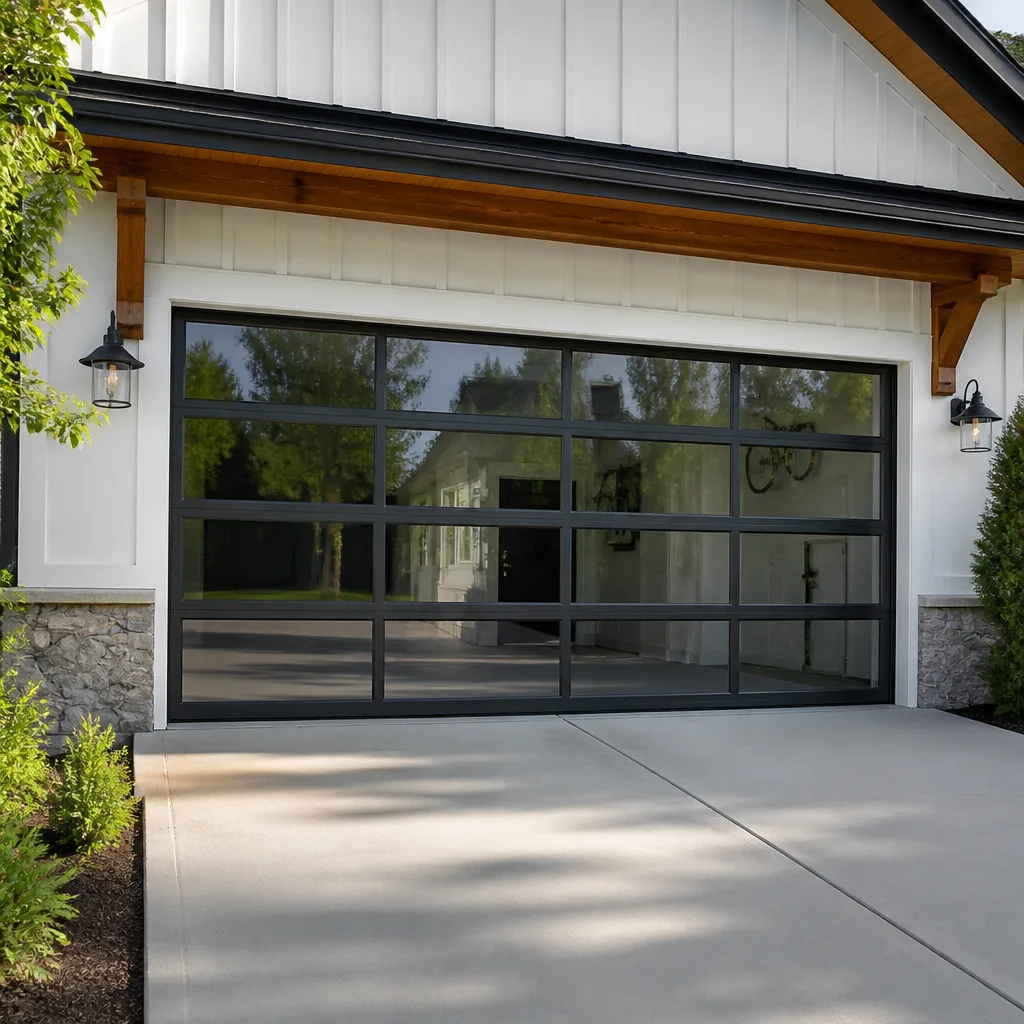 Full-view glass
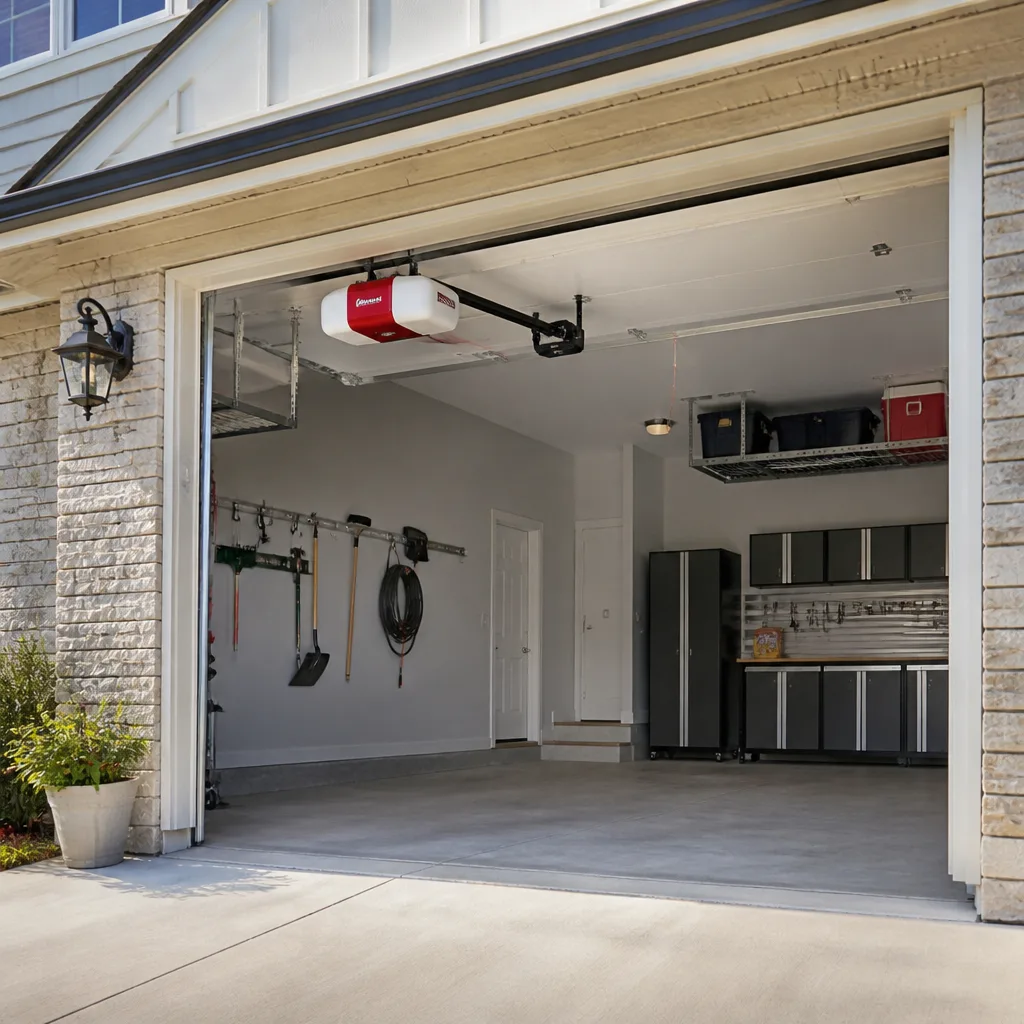 LiftMaster openers
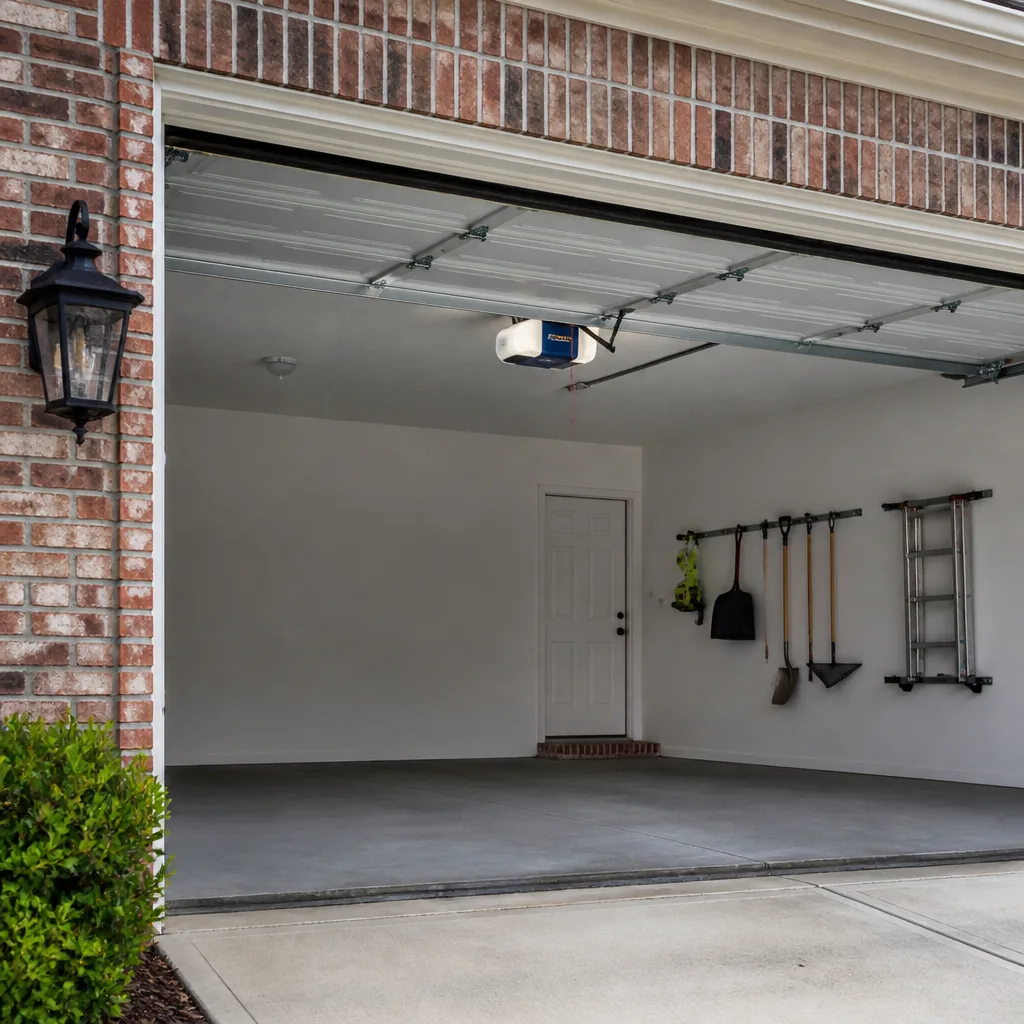 Chamberlain openers
Full 25-point door and opener safety check with every visit - springs, cables, rollers, tracks, and your LiftMaster or Chamberlain opener included
You get a price before we start. It does not change when the pro arrives.
Get your free estimateThe Complete Guide to Garage Doors in Bayside
Most “complete guides” to garage doors are written for a hypothetical homeowner in a hypothetical climate. This one isn’t. A garage door in Bayside lives through Chesapeake Bay humidity, salt air rolled in on the wind, and the kind of mid-Atlantic storm seasons that push a door around for months at a time. That changes which springs last, which panels corrode first, and which opener drive type actually holds up. It also changes how local housing stock shapes what you buy: the older ranches and newer builds around Bayside don’t share the same sizing or framing standards. Below, we walk through the whole system – panels, springs, tracks, openers – how the pieces fail together, what coastal exposure really does to them, and the permit question most national guides skip entirely.
Quick Answer
A garage door in Bayside is a system, not a collection of parts, and it should be read and maintained that way. The components most affected by local conditions are the springs, the tracks and the panel finish, because humidity and salt air accelerate corrosion on all three. If you want a short version: know your door’s material and opener drive type, check the balance annually, and treat any spring, cable or track problem as a professional call rather than a weekend project. Everything else in this guide is the detail behind that.
Styles & brands we work with
- Raised-panel steel
- Carriage house
- Modern flush
- Full-view glass
- LiftMaster openers
- Chamberlain openers
Table of Contents
- How a Garage Door Actually Works: The Whole System
- How Bayside’s Climate Affects Springs, Tracks and Panels
- Bayside Housing Stock: Sizing and Framing Differences
- Belt, Chain and Direct Drive Openers in Bayside’s Temperature Swings
- Which Materials Hold Up Locally
- Permit Triggers for Door Replacement in Bayside
- A Yearly Maintenance Sequence That Works Here
- How to Buy a New Door in Bayside Without Overspending
How a Garage Door Actually Works: The Whole System
A sectional garage door is a balanced machine. The panels are the visible part, but they carry almost none of the door’s weight – the springs do. Torsion springs above the door (or extension springs at the sides on older setups) store the energy needed to lift a door that might weigh a couple hundred pounds or more, and the cables and drums transfer that energy to the panels. The tracks guide the panels along their path, and the opener only needs to overcome friction and imbalance, not lift the whole door.
That’s why a door can feel “broken” when one small piece fails. Read the system in this order:
- Springs and cables hold and transfer the load. A weak or snapped spring makes the door feel like dead weight.
- Drum and cable keep the door level. A cable off its drum is a serious safety issue, not a tune-up.
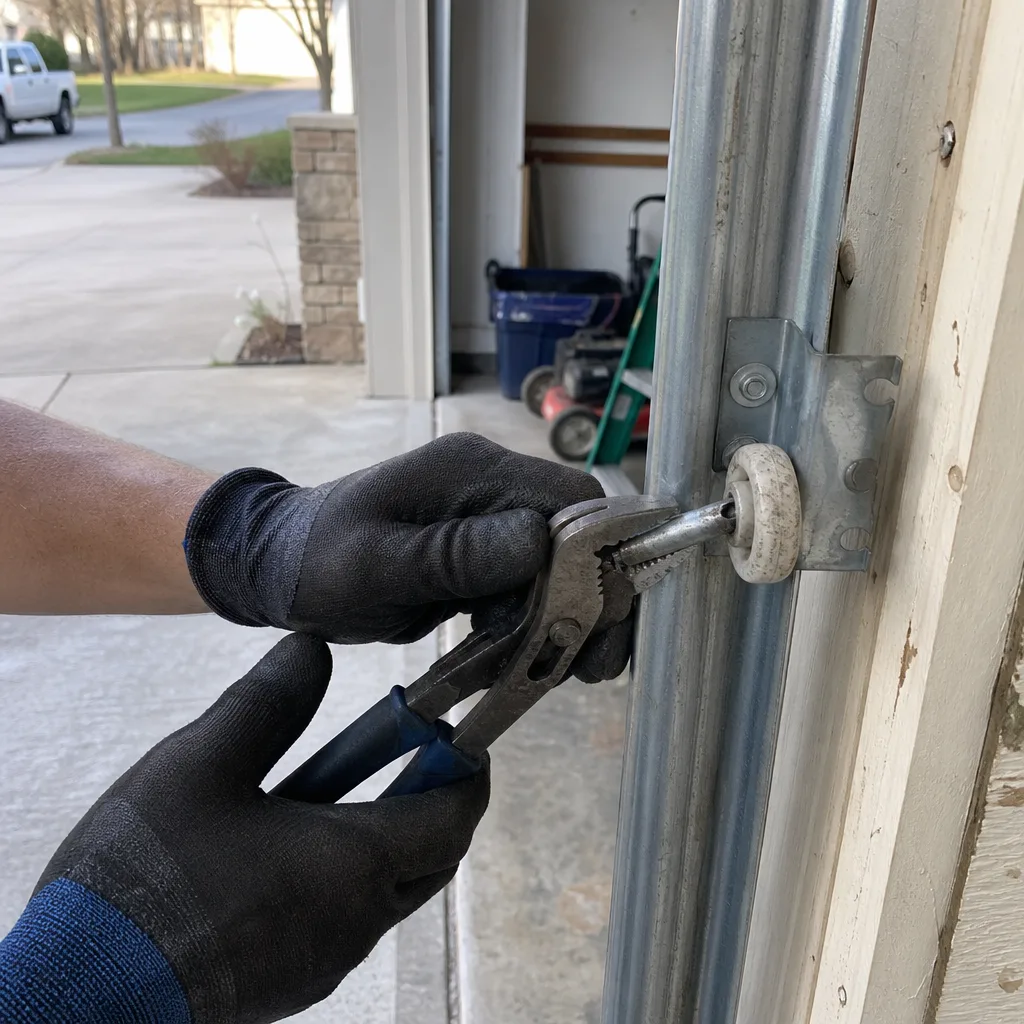
- Tracks and rollers keep the panels on their path. A bent track makes the opener work harder and strains the springs.
- Hinges and rollers carry the load between panels. Worn rollers add vibration and noise.
- The opener sits at the top of the chain of command. It’s the last thing that should be blamed, not the first.
When someone tells us their opener “isn’t strong enough,” the real culprit is usually a tired spring or a misaligned track. Replacing an opener to fix a spring problem is one of the most common oversells in this trade, and it’s exactly the kind of thing a garage-door specialist should catch before you spend. For the opener side specifically, see our page on garage door opener repair.
How Bayside’s Climate Affects Springs, Tracks and Panels
The single biggest local difference is moisture. Chesapeake Bay humidity sits on a garage for months of the year, and salt air carried on the wind adds a second layer of stress to anything steel. You don’t need to live blocks from the water for this to matter – humidity alone does most of the work. What that means, component by component:
- Torsion springs are oil-tempered steel under constant tension. Surface corrosion on the coils shortens their service life, and a rough, rusty coil is more likely to snap under load.
- Tracks and hinges pit more quickly in humid air. Pitted tracks grab rollers, which increases noise and strain on the whole system.
- Steel panels corrode from the inside out along the bottom edge and at the seams, where moisture sits. Damage you can’t see from the driveway is often the damage that matters.
- Wood doors swell and contract with humidity swings, which can throw a door out of balance and warp panels over time.
- Openers are affected indirectly: harder-working tracks and springs mean the opener runs longer and hotter, which wears the motor and drive train faster.
The practical takeaway is simple. In Bayside, corrosion control is part of routine garage door care, not an afterthought. A dry lubricant on rollers and hinges once a season and a visual check of the springs and bottom panel edge go a long way. If you see rust blooming on the coils or bubbling paint at the bottom of a steel panel, don’t wait for the next inspection cycle.
Which Materials Hold Up Locally
For most Bayside homes, a steel door with a factory-applied finish is the practical choice. Modern steel panels are coated, and a heavier gauge holds its shape better than a lighter one. If you want more corrosion resistance, look at aluminum or a fiberglass/composite door on homes where finish durability matters more than impact strength. Wood is the material most affected by local humidity – beautiful, but it rewards maintenance discipline. Vinyl is low-maintenance but sensitive to temperature extremes.
Our experience leans toward steel or aluminum for long-term service in this climate, and any good installer should tell you the same. The right answer depends on your exposure, your garage’s ventilation and how much upkeep you’re willing to do – not on which material looks best in a showroom photograph.
Bayside Housing Stock: Sizing and Framing Differences
One of the reasons a garage door is never a one-size-fits-all job around Bayside is the housing mix. Older single-story ranches and newer builds don’t share the same opening dimensions or framing standards, and a door that fits one won’t automatically fit the other. The differences show up in three places:
- Opening width and height. Older ranches often have a 16-foot double opening or a narrow 8-foot single. Newer builds trend toward wider openings and occasionally taller ones for larger vehicles. Measure accurately before ordering – a door ordered to the wrong dimension is a door that doesn’t leave the shop floor.
- Header and framing. The framing above and beside the opening has to carry the door’s weight and the spring hardware. Older garage framing may not match current load expectations, and that becomes part of the replacement conversation.
- Headroom and rear clearance. The distance from the top of the opening to the ceiling, and from the door to the back of the garage, determines which opener and track configuration can be used. A low-header garage limits door and opener options.
This is why a proper measure beats a phone call. The sizing and framing differences between Bayside’s older ranches and newer builds are exactly the kind of detail that gets missed when someone quotes over the phone without seeing the opening. A written estimate should reflect the actual opening, the actual headroom and the actual framing – not a generic “standard size.”
For the full installation process, our guide to garage door installation walks through what a measure and install include.
Belt, Chain and Direct Drive Openers in Bayside’s Temperature Swings
Openers get chosen for noise or price, but in Bayside the local condition that matters most is temperature swing. A garage can go from summer humidity in the nineties to a winter freeze, and the drive train has to keep working through both. Here’s how the three main drive types behave locally:
- Chain drive. The workhorse. Loud, but simple and durable across big temperature swings. A good fit for detached garages where noise doesn’t travel into the house.
- Belt drive. Quieter, and preferable when the garage sits under or beside bedrooms. Belt material is the weak point in cold snaps, so it’s worth checking belt condition before winter.
- Direct drive. Less common, mechanically direct and generally quiet, but needs to be matched to the door’s weight and balance. It doesn’t compensate for a door that’s out of balance, so spring condition matters more here.
Whichever drive you choose, the opener must be rated for your door’s weight and size. An opener that’s undersized or paired with weak springs works harder in both hot and cold weather, which shortens its life. We’ve seen this pattern often enough to say it plainly: the opener is often the victim, not the cause. We work on LiftMaster, Chamberlain and Genie systems specifically, so the quirks of each drive train aren’t new to us. For a deeper look at how we handle the electrical side, see our page on opener service.
Permit Triggers for Door Replacement in Bayside
This is where national guides leave you short. Garage door replacement can trigger a permit depending on local jurisdiction, the scope of the work and whether structural changes are involved. The rule of thumb: a simple like-for-like replacement of the same size door usually draws less attention than a change in dimensions, a new opening, or structural modification to the framing. When you change the size of the opening, reinforce the header or alter the load path, that’s the point at which the local building department is most likely to want a permit.
We don’t quote local code sections here because the right answer always starts with a phone call to Bayside’s building department. What we can tell you is how we approach it: ask your city’s building department directly what’s required for your specific scope, and get the answer in writing if you can. A contractor who shrugs at the permit question is a contractor to walk away from.
Plan for permit timing in the schedule. A permit that isn’t accounted for can turn a straightforward replacement into a longer project than expected, and good installers plan for that from the first conversation. It’s also a reason to look for a written estimate that spells out what’s included, what the permit path is, and what could change the final number.
A Yearly Maintenance Sequence That Works Here
Maintenance in Bayside should be scheduled with the climate in mind: once in spring, before the humid months, and once in fall, before the first freeze. Here’s the sequence we work through on a typical service visit, in order:
- Test the balance. Disconnect the opener (usually a pull cord on the rail) and lift the door halfway. A well-balanced door stays put. A door that drifts down has a spring or balance problem.
- Inspect the springs and cables. Look for rust, gaps in the coils, or a stretched spring on one side. Cables should be taut and seated on their drums. This is a visual check only – do not touch, adjust or attempt to replace a torsion spring yourself.
- Check the tracks and rollers. Run a hand along the tracks to feel for dents or misalignment. Rollers should turn freely; worn or flat-spotted rollers get replaced.
- Lubricate the moving parts. Dry lubricant on rollers, hinges and the spring coils – not grease on the tracks. Grease attracts grit, and grit accelerates wear.
- Test the safety reverse. Put a piece of wood or a brick in the door’s path and close it. The door should reverse on contact. Also test the photo-eye sensors on both sides of the opening.
- Check the weather seal. The bottom seal and the side seals keep out rain and cold. Cracked or flattened seals let moisture in, which is the last thing a Bayside door needs.
For anything beyond steps 3 through 6, call a professional. Torsion springs are under extreme tension and a failed spring or cable can cause serious injury – this is not a DIY job, and we’d rather you never learn that the hard way. For routine fixes and adjustments, our page on garage door repair covers what we handle.
How to Buy a New Door in Bayside Without Overspending
A new door is a scheduled project, not an emergency, and that’s a good thing – it means you have time to get the details right. The buying process should go in this order:
- Get an on-site measure. Opening dimensions, headroom, rear clearance, and framing condition. Anything quoted without a measure is a guess.
- Decide on material and insulation. Steel is the practical default in this climate; a well-insulated steel door also helps with temperature control in an attached garage.
- Choose a brand your installer knows. We work on Clopay, Amarr, Wayne Dalton, Raynor and others by name, and brand familiarity matters more than brand marketing. A door that’s well-matched to its installer will serve better.
- Get the price in writing before work starts. The written estimate sets the final price. If anything changes scope – framing repairs, for example – it should be discussed and agreed before work continues, not after.
- Ask about permit requirements. Call your local building department about your specific scope so there are no surprises mid-project.
- Schedule the install with the manufacturer lead time in mind. Doors are ordered and built to spec, so plan for a lead time rather than a next-day install.
We quote installation per job, from a measure and a written estimate, with no surprise line items after the work begins. Our team at Bayside Garage Door Repair Pros covers the whole lifecycle – repair, spring work, opener service and new installation – and garage doors are all we do. That focus matters most when the work is measured and ordered rather than patched on the spot.
Common Mistakes to Avoid
- Blame the opener for a spring problem. An opener that struggles usually means a tired spring or misaligned track. Replacing the opener without fixing the balance is money spent in the wrong place, and the new opener will struggle too.
- Skip the on-site measure. Bayside’s older ranches and newer builds don’t share opening dimensions, and a phone quote can’t see your headroom or framing. A written estimate starts with a measure.
- Ignore rust until the spring snaps. In local humidity, corrosion on the coils is a warning, not a cosmetic issue. Check the springs visually twice a year and act on rust early.
- Lubricate the tracks. Tracks should be clean and dry. Grease on the tracks grabs grit and wears rollers faster – dry lubricant belongs on rollers, hinges and springs, not the track surface.
- Handle a spring or cable yourself. Torsion springs hold enough energy to cause serious injury, and a failed cable can whip with dangerous force. This is the one repair where the DIY instinct is genuinely dangerous.
- Assume a permit is never needed. A same-size replacement may not trigger one, but a change in dimensions, new opening or structural work often does. Ask Bayside’s building department before you commit.
- Choose an opener by noise alone. A quiet belt drive that’s undersized for a heavy door will strain harder than a louder chain drive that’s properly rated. Match the drive to the door’s weight and balance first.
See the difference
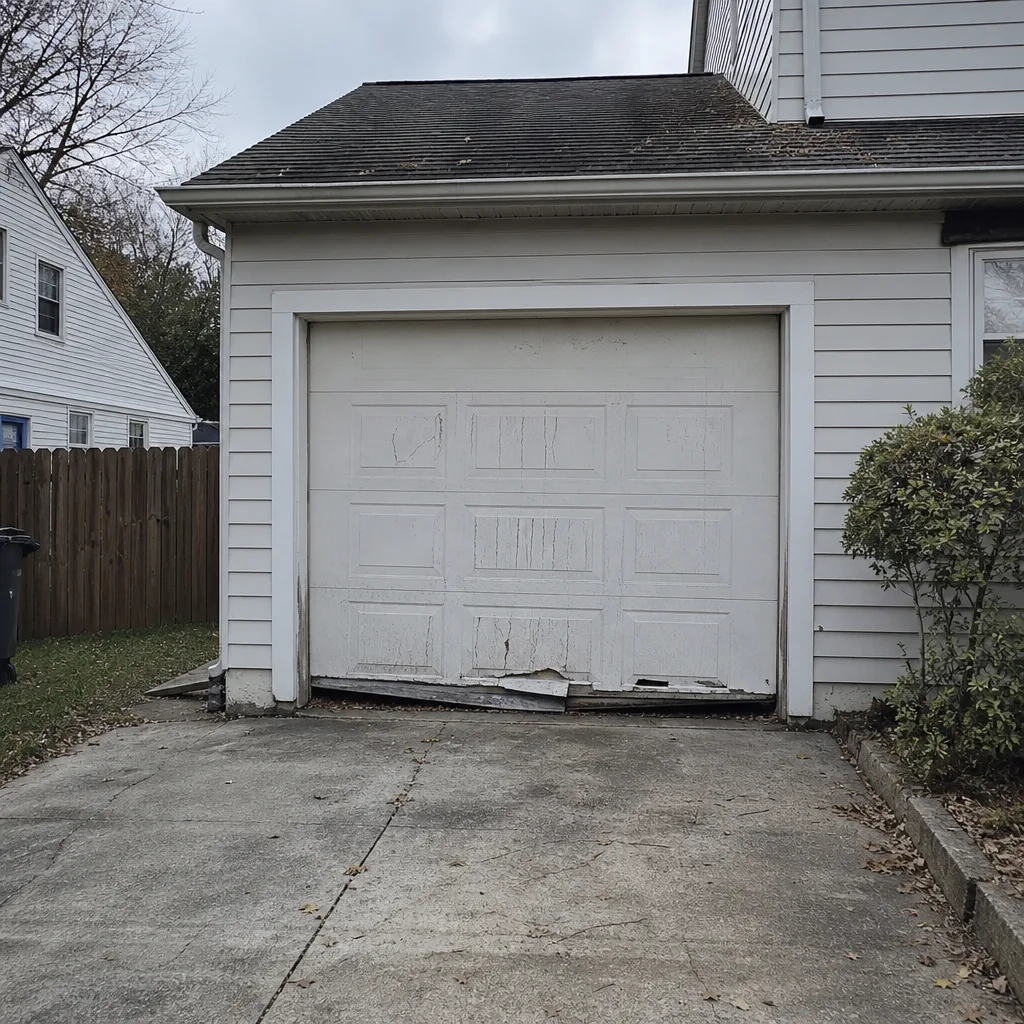 Before
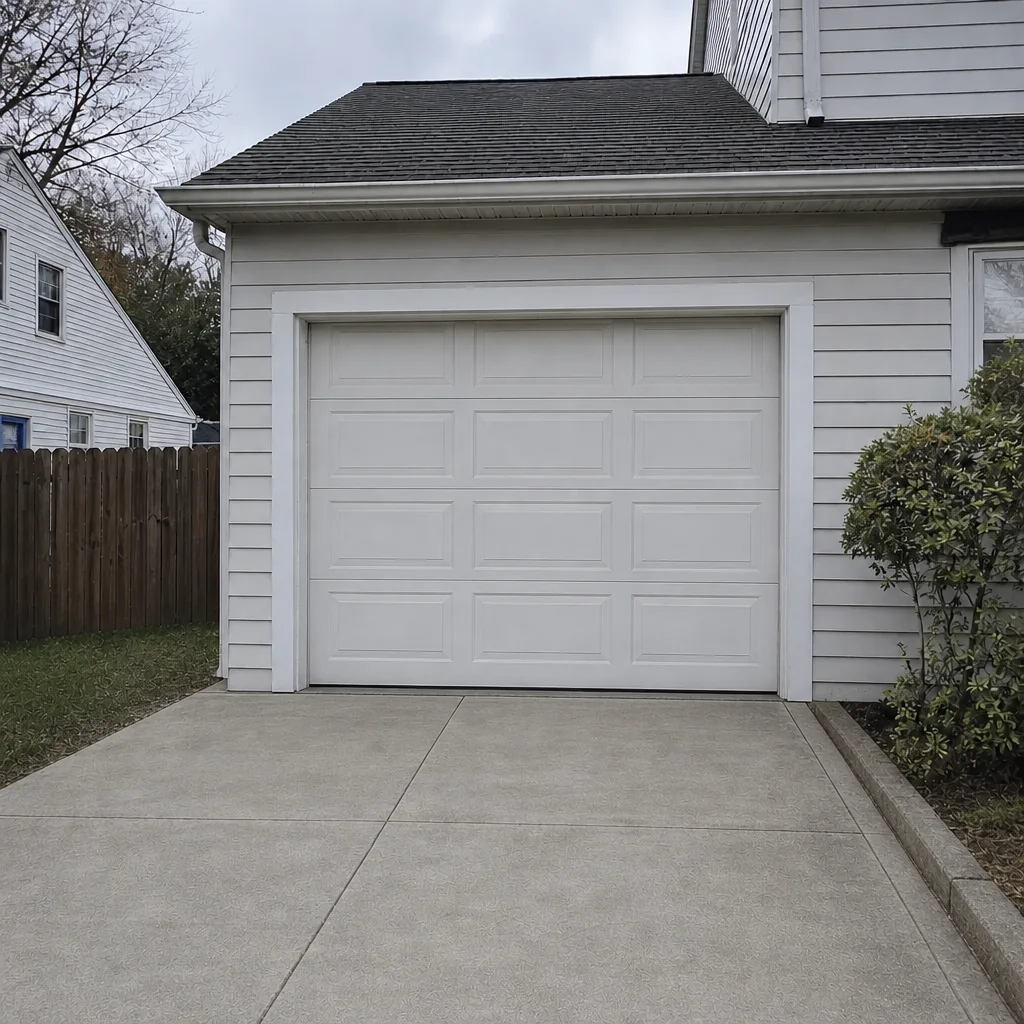 After
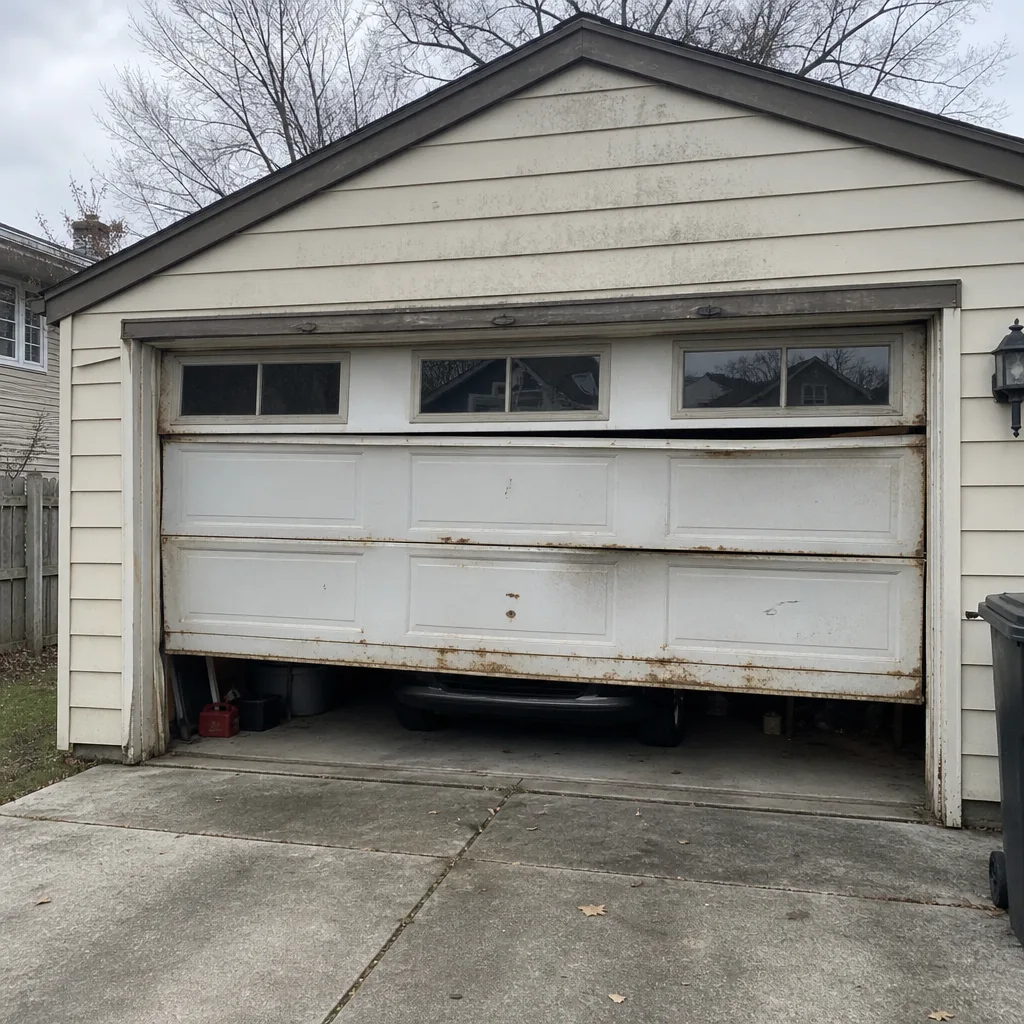 Before
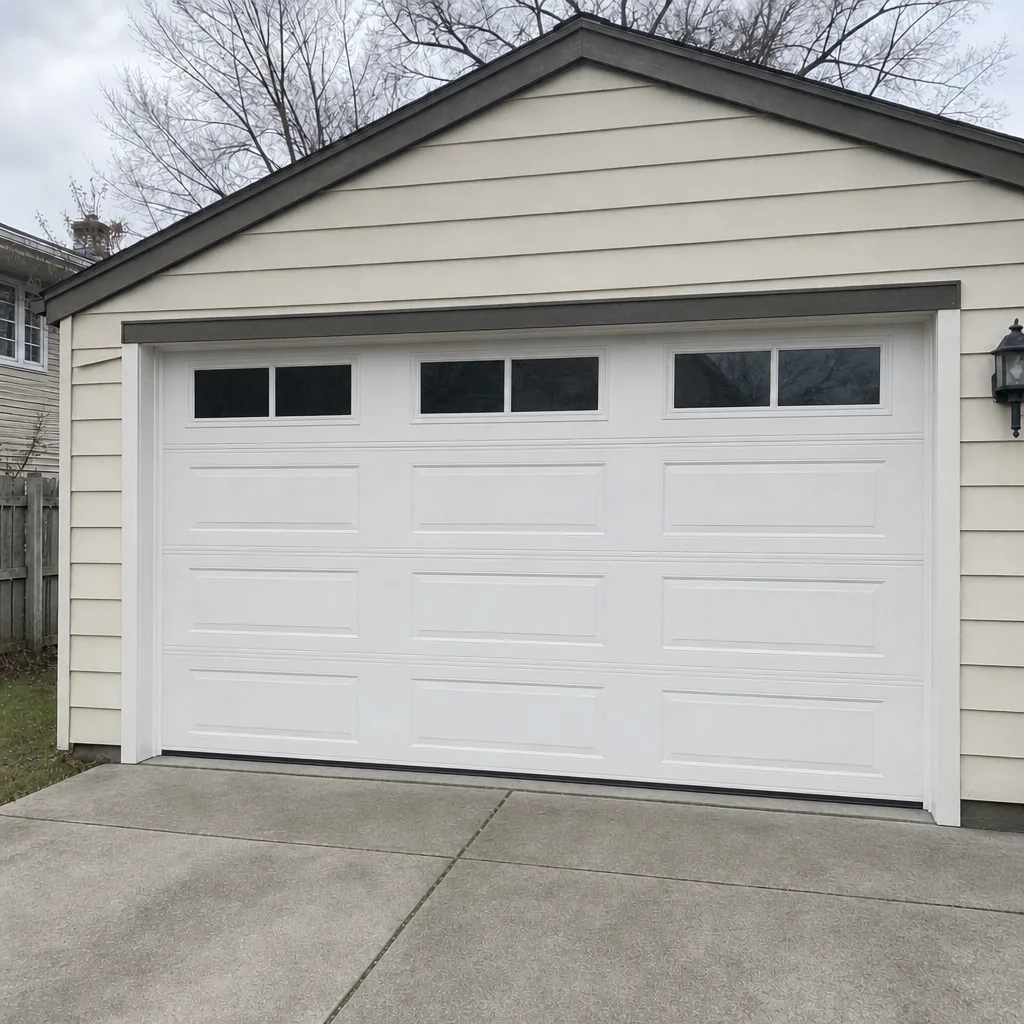 After
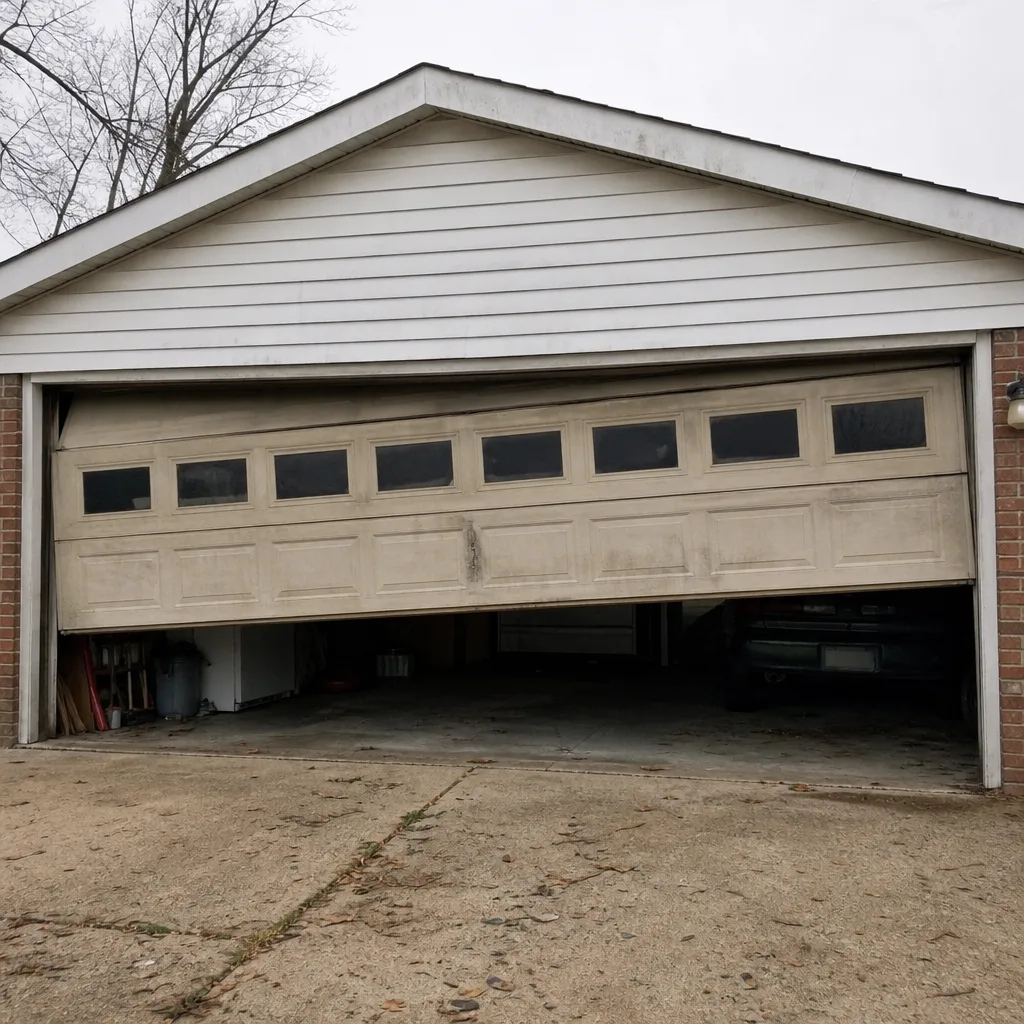 Before
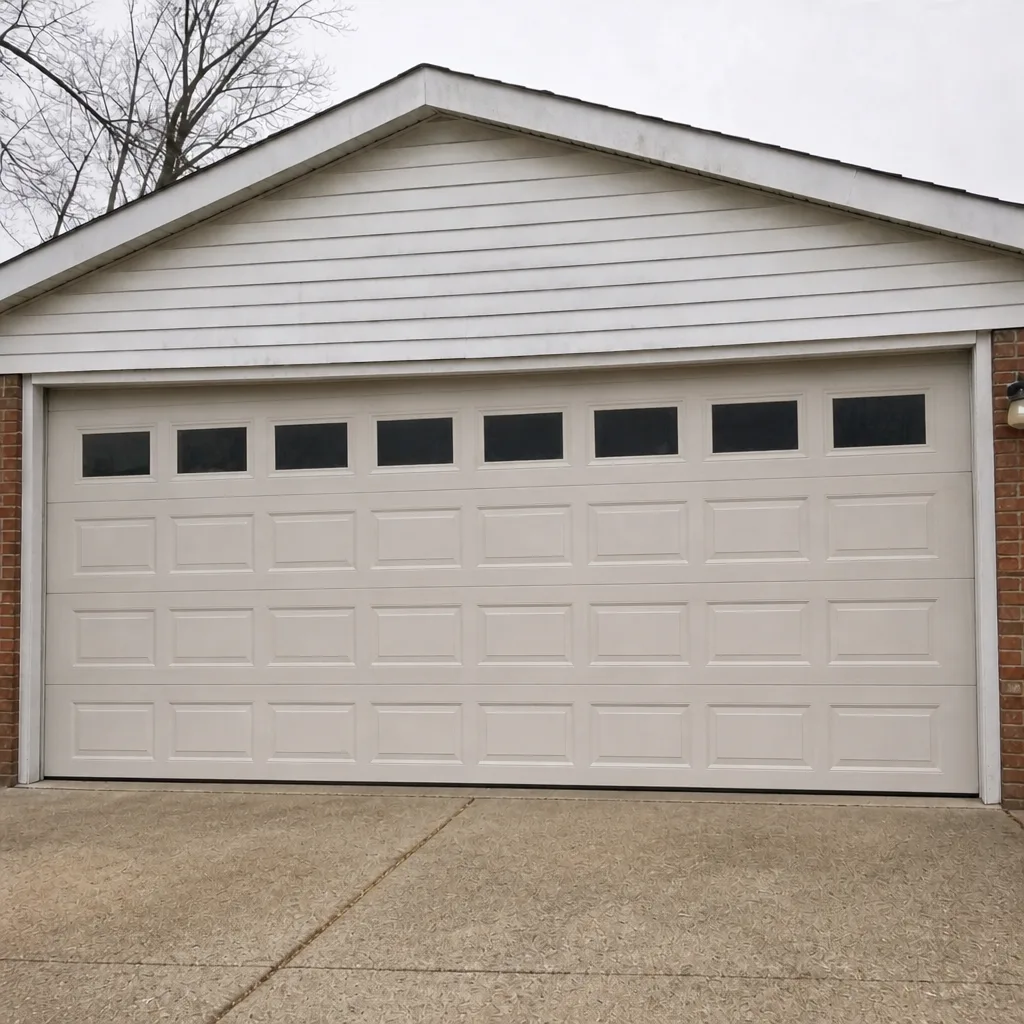 After
When to Call a Professional
Call a professional when the door won’t open or close safely, when you see a gap in the spring coils, a cable off its drum, or a door hanging crooked. Call when the opener runs but the door doesn’t move, or when the door reverses on its own with nothing in the way. Call when the door is out of balance, making a new loud noise, or when you’re considering a replacement and want a measured, written quote before you commit. And call immediately if the door is stuck open or closed and your home’s security depends on it – that’s the scenario emergency service exists for.
Bayside Garage Door Repair Pros offers free estimates in Bayside – call (877) 757-2379. Our technicians have up to 11 years of experience, and the local pro is licensed and insured as their state requires.
Frequently Asked Questions
Garage door repair in Bayside is priced per job from a written estimate, and the price is quoted and agreed before any work starts. Minor adjustments and roller or hinge work sit at the low end; spring replacement and opening repairs sit higher. Call (877) 757-2379 for an exact quote – estimates are free.
Repeated spring failures usually trace back to corrosion, an out-of-balance door or a spring that’s mispaired to the door’s weight. In Bayside’s humid air, rust on the coils shortens service life, so a spring that fails early is often a symptom of an environment or balance problem rather than bad luck. A professional inspection will tell you which one it is.
No. Torsion springs are under extreme tension and a failed spring or cable can cause serious injury. This is the one garage door job where the DIY instinct is genuinely dangerous – a trained professional should handle springs and cables every time.
It depends on the scope. A like-for-like replacement often needs less scrutiny than a change in size, a new opening or structural framing work, which more commonly triggers a permit. Ask Bayside’s building department directly about your specific project – they’ll give you the definitive answer for your address.
Belt drive suits attached garages where noise carries, chain drive suits detached garages, and direct drive works when matched carefully to the door’s weight. The deciding factor is the door itself: a properly balanced door lets any correctly rated opener run efficiently through local temperature swings. We service LiftMaster, Chamberlain, Genie and other major drive trains, so we can match the drive to your door rather than the other way around.
Emergency garage door service is a real offering for Bayside, not a vague promise. When your door won’t move and access or security is compromised, call (877) 757-2379 and we’ll tell you what’s available. The price is quoted and agreed before any work starts, even on emergency calls.
The Bottom Line
A garage door in Bayside is a system shaped by local humidity, salt air, temperature swings and a housing mix that ranges from older ranches to newer builds. The springs and cables carry the weight; the tracks and rollers guide it; the opener only does its share when the rest is in balance. Read the system as a whole, maintain it twice a year, and treat any spring, cable or track problem as a professional call. When you need a measured quote for a repair, a new door, or an opener that’s finally giving up, garage doors are all we do – call (877) 757-2379 for a free estimate.
Written by the team at Bayside Garage Door Repair Pros.