Last updated November 22, 2026
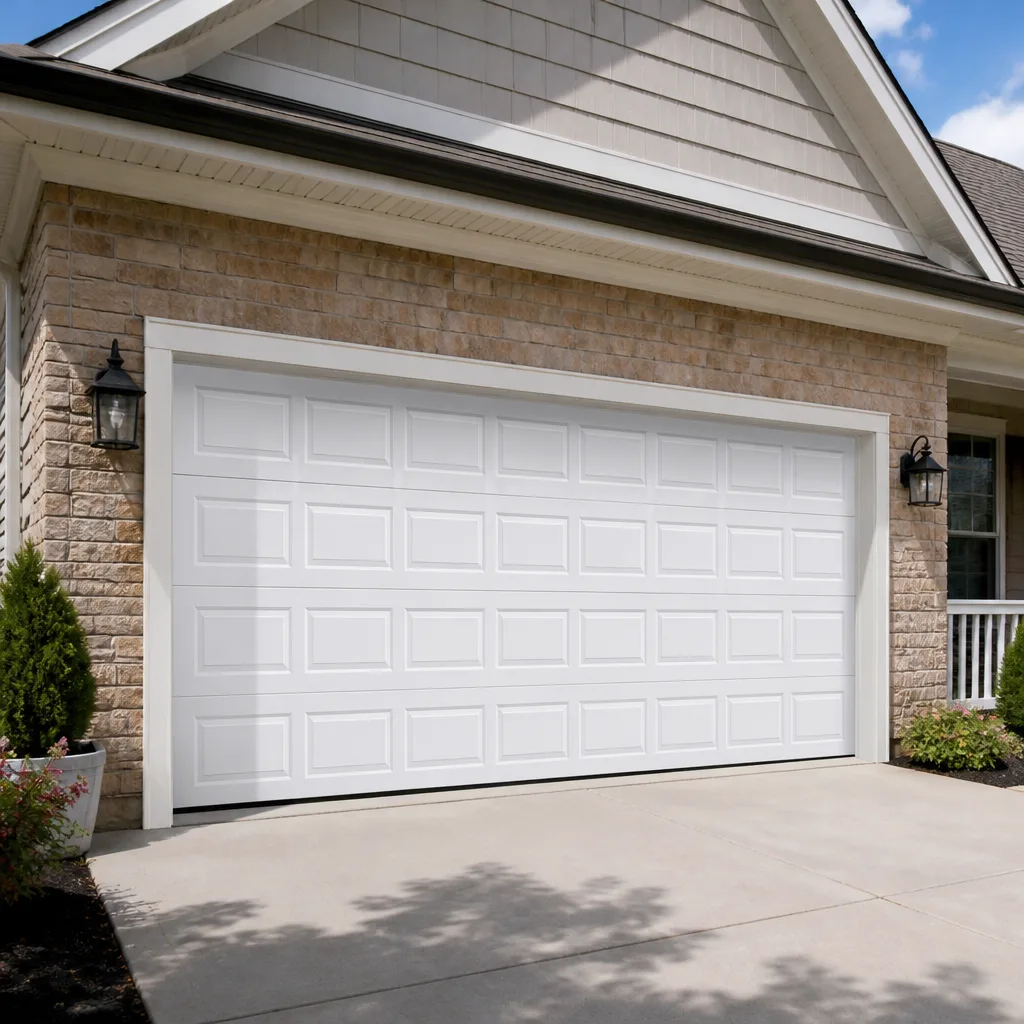 Raised-panel steel
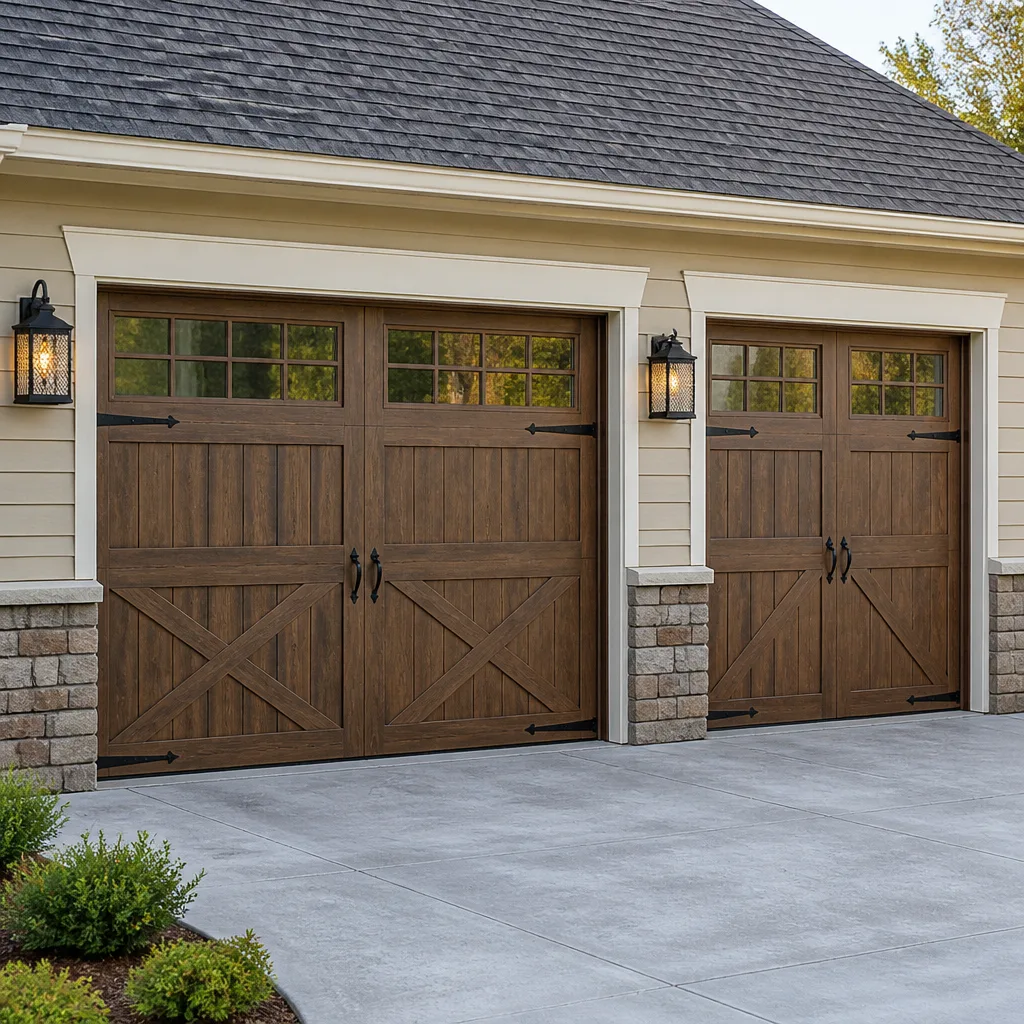 Carriage house
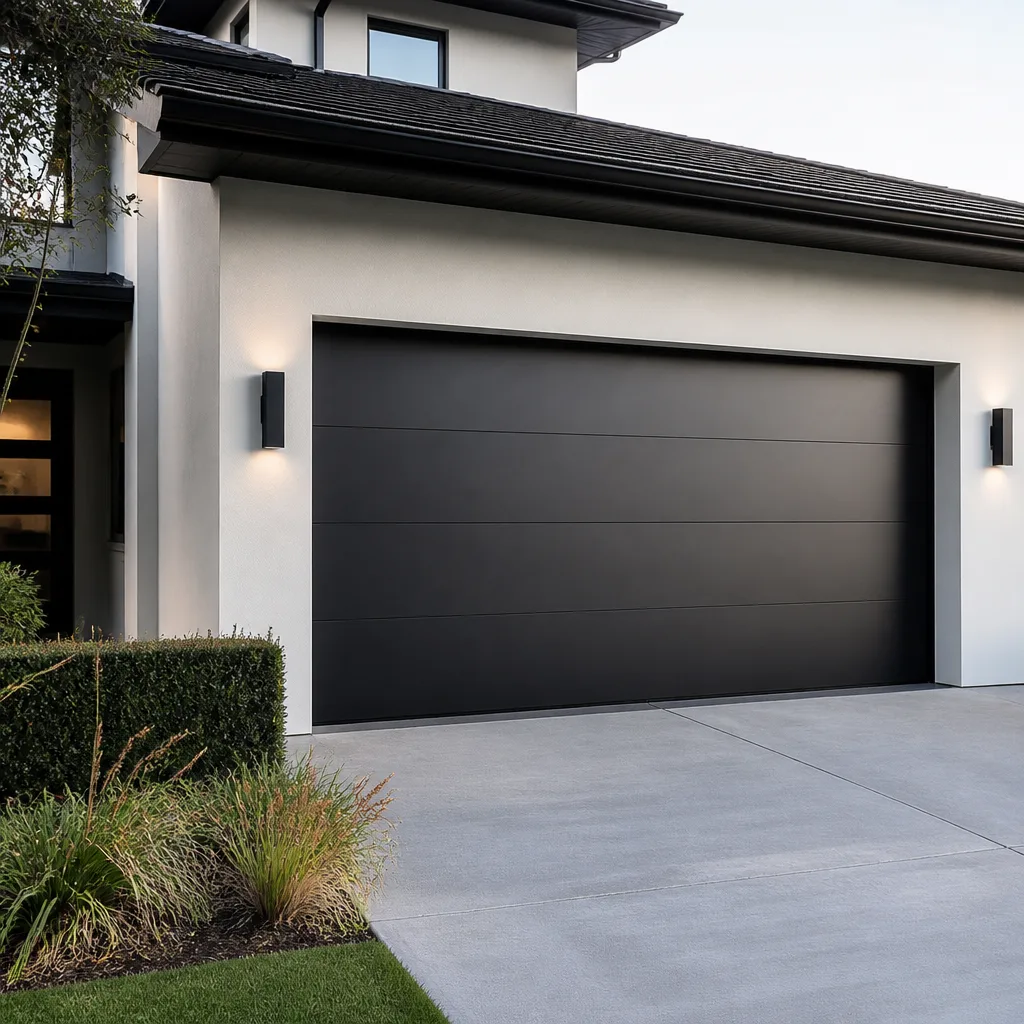 Modern flush
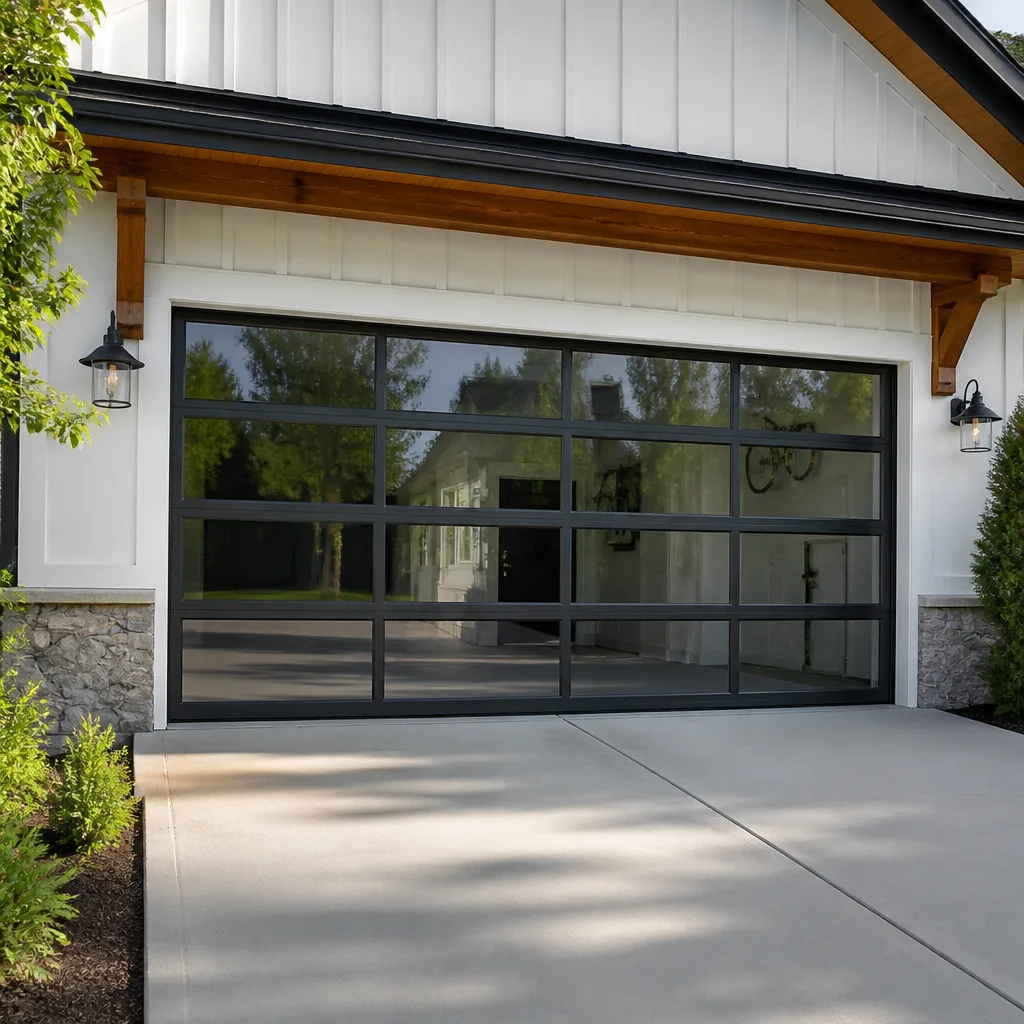 Full-view glass
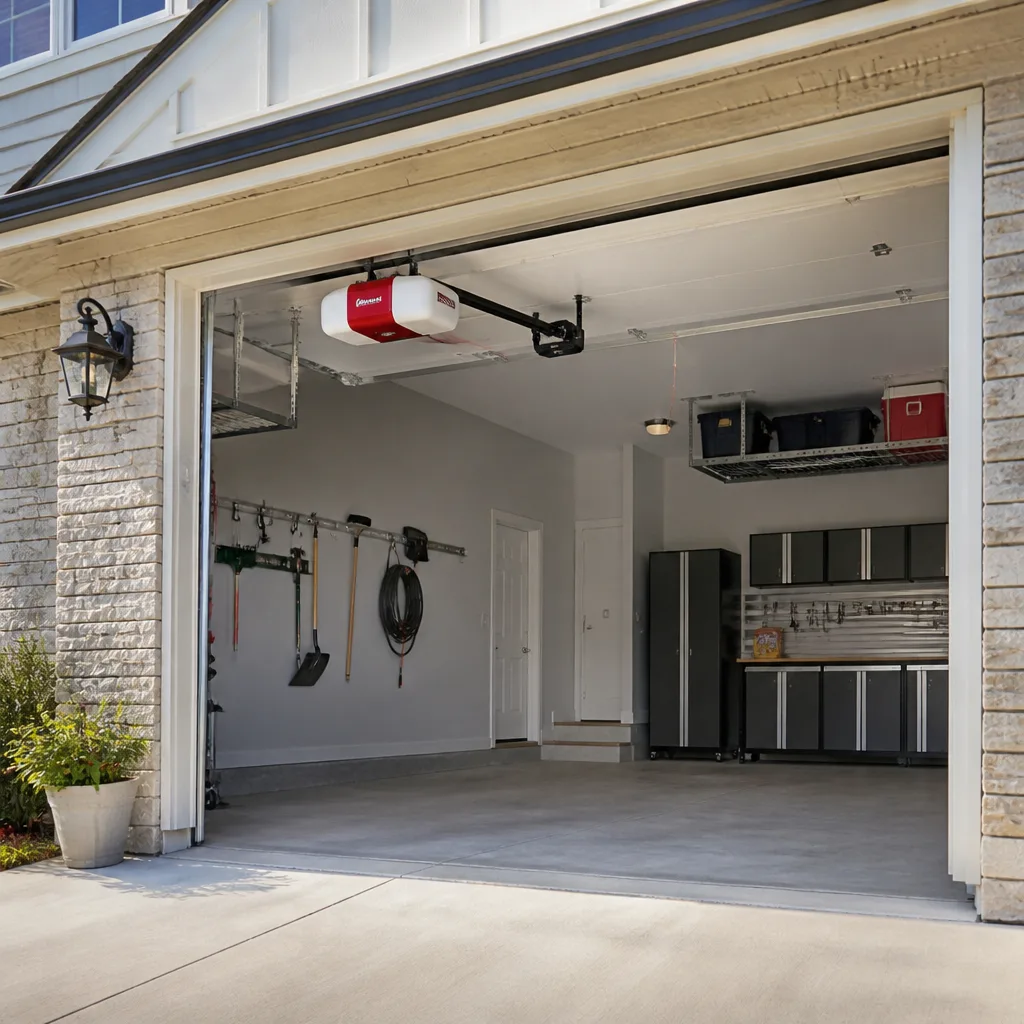 LiftMaster openers
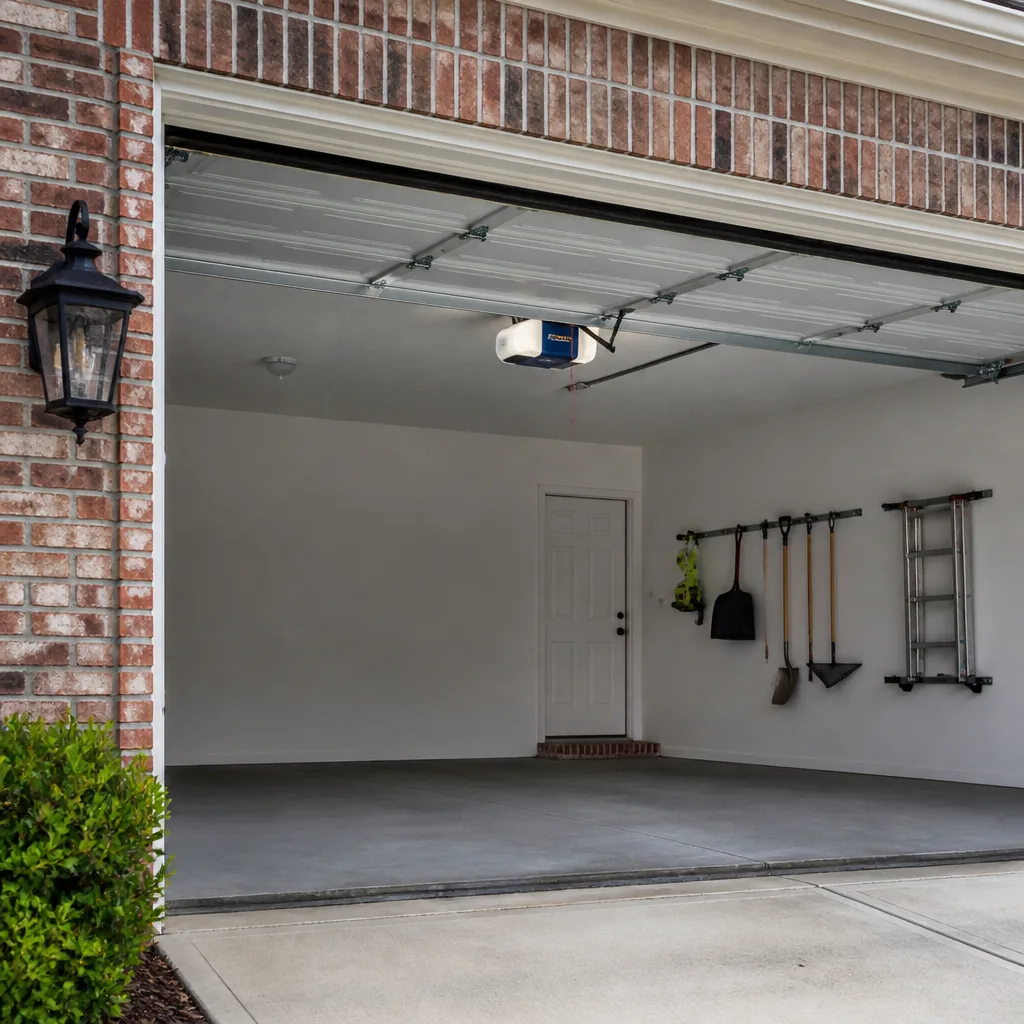 Chamberlain openers
Full 25-point door and opener safety check with every visit - springs, cables, rollers, tracks, and your LiftMaster or Chamberlain opener included
You get a price before we start. It does not change when the pro arrives.
Get your free estimateGarage Door Warning Signs: A Bayside Homeowner’s Reference Guide
A door that takes two seconds longer to open than it did six months ago is not “getting old.” It’s a measurable symptom of a specific mechanical problem, and that problem has a name and a repair cost that’s a fraction of what it will be once the system fails completely. Most of the warning signs we diagnose in Bayside aren’t dramatic. They’re intermittent. They’re quiet. They show up as a faint grind, a slight hesitation, a spring that looks a little rougher than it did last spring. Homeowners dismiss them because the door still works. Then it stops, usually at the worst possible hour. This guide walks through what each sound, slowdown, and visual cue actually points to, plus three 60-second checks you can run every month.
Quick Answer
The main garage door warning signs are: unusual sounds (grinding, squealing, popping), a door that moves noticeably slower or jerks, visible rust or gaps in the springs and cables, and an auto-reverse that only works sometimes. Any one of these means a component is wearing and should be inspected by a garage door specialist. The three most important self-checks are the gap test, the balance test, and a visual cable inspection, each of which takes under a minute.
Styles & brands we work with
- Raised-panel steel
- Carriage house
- Modern flush
- Full-view glass
- LiftMaster openers
- Chamberlain openers
Table of Contents
- What the Sounds Are Telling You: Grinding vs. Squealing vs. Popping
- The Slow Door Problem: Why Speed Changes Are a Symptom, Not Aging
- Visual Signals in Bayside: What Rust Patterns Actually Indicate
- The Auto-Reverse That “Usually Works” Is a Safety Failure
- Three 60-Second Checks Every Bayside Homeowner Should Run Monthly
- Opener Problem or Door Problem? How to Tell the Difference
- Brand Familiarity Matters More Than You’d Think
- How Bayside’s Seasonal Cycle Shapes Garage Door Wear
What the Sounds Are Telling You: Grinding vs. Squealing vs. Popping
Garage door noises aren’t interchangeable. Each one usually points to a different component, and knowing which is which helps you describe the problem accurately when you call for service. In Bayside, we hear all three regularly, and in our experience homeowners often lump them together as “the door is making a weird noise,” which makes it harder for any technician to triage the call before arriving.
Grinding
A low, rasping grind usually points to roller or hinge wear, or to a track that has been nudged out of alignment. Metal-on-metal contact between a roller and a worn track is the most common cause. It tends to worsen gradually over weeks, and it’s the easiest to catch early because it’s consistent. If the grind gets louder in cold weather, that’s a strong hint the rollers have lost lubrication or the track has a slight bend putting pressure on one side.
Squealing
A high-pitched squeal typically comes from dry hinge points, dry rollers, or a torsion spring that’s under-lubricated. It’s the easiest of the three to mistake for a trivial problem because the door still opens fine. But squealing that only appeared recently, or that only occurs during the first few feet of travel, can also indicate a spring that’s lost some of its initial tension. That’s worth a real inspection, not a can of spray lubricant.
Popping
Popping is the one to take seriously. A sharp pop or snap, especially when the door first begins to move, usually means the spring has slipped, a cable has jumped a drum, or a hinge plate has come loose. Popping that recurs is a strong signal to stop operating the door and call a specialist. In Bayside, we treat recurring pops as urgent because they often precede a spring failure, and a spring failure can be dangerous.
The Slow Door Problem: Why Speed Changes Are a Symptom, Not Aging
A garage door that opens a bit slower this year than last is not “just getting old.” Garage doors don’t have an aging curve that makes them gradually slower. A door that was operating at a certain speed should continue operating at that speed until a component begins to fail. When the speed drops, something specific has changed. In our experience, three causes account for nearly every slow-door call we handle in Bayside.
- Worn opener gears. The plastic or nylon gears inside most openers wear gradually, and as they do, the motor has to work harder to move the door. The door doesn’t stop, it just lags. Listen for a faint motor whine that wasn’t there before, and check whether the door moves more slowly at the start than at the end of its travel. That pattern points at the opener.
- Spring tension loss. Torsion springs do most of the lifting. As they lose tension, the opener compensates, and the door slows. The slowdown often appears alongside a door that feels heavier than it used to when you lift it by hand. If you can manually test the balance (see the balance test below) and the door doesn’t hold a half-open position, tension loss is the likely culprit.
- Track misalignment. A track that’s slightly bent or out of level creates friction. The door still opens, but the opener has to push through resistance it wasn’t designed for. Slowdown here often comes with a slight side-to-side wobble as the door travels.
The cost difference is significant. An opener gear replacement or a track realignment is a modest repair. A full opener or door failure from a door that’s been fighting a worn system for months can mean a much bigger fix. If your door in Bayside is moving slower than it did last season, call us for a free estimate rather than waiting to see how long it lasts.
Visual Signals in Bayside: What Rust Patterns Actually Indicate
Rust isn’t just cosmetic on a garage door system. It’s diagnostic. Where it appears and how it’s spread tells you which component is degrading, and in Bayside’s seasonal cycle the pattern is fairly consistent. Homeowners who learn to read rust patterns can catch spring and cable issues before they become failures.
Rust on the springs
Torsion and extension springs are high-tension components under constant load. When rust develops, it usually begins at the coil ends or at the anchor points. That’s where the steel is under the most stress and where moisture collects. Light surface rust is manageable. Deep pitting at the ends of a spring, or rust that has visibly thinned the metal, is a sign the spring is nearing the end of its life. In Bayside, we see this pattern most often on older doors where the hardware hasn’t been inspected in years, and in cases where a door has been exposed to humid summer air without any lubrication.
Rust on the cables
Cables run alongside the springs and carry massive load. Rust on a cable, particularly where it bends around a drum or a pulley, is a serious signal. A rusted cable loses flexibility and can fray under load. Visually, look for discoloration, fraying, or a cable that looks “fuzzy” at the drum end. Any of those is a reason to call a specialist rather than operate the door repeatedly.
Rust on hinges and rollers
Rust on the hinges and rollers is the least urgent of the three, but it still matters because it adds friction. Friction strains the opener. In Bayside, hinges exposed to moisture and seasonal temperature swings often show rust lines at the pivot points before anywhere else. If you can see rust at a hinge pivot, the hinge is no longer moving freely and should be replaced during your next service visit.
The bottom line on rust: it’s a slow signal, but a reliable one. If any of these patterns are visible, a free estimate is worth your time.
The Auto-Reverse That “Usually Works” Is a Safety Failure
An auto-reverse that works most of the time is not working. It is failing intermittently, and intermittent failures are the most dangerous kind because they lull users into believing the safety system is intact. Every garage door opener in the US sold since 1993 has been required to meet the federal auto-reverse standard, which mandates that a closing door must reverse when it contacts an object before applying significant pressure. That requirement has been enforced by the Consumer Product Safety Commission, and every opener in Bayside should meet it. When an auto-reverse is intermittent, the mechanism is not meeting the standard, and a child, pet, or vehicle stands in the path of a door that isn’t stopping.
Common causes of an intermittent auto-reverse include:
- Misaligned safety sensors near the door opening (the small photo-eye units on each side of the track).
- Dirty or obstructed sensor lenses.
- Loose sensor wiring, which can cause the sensor to drop in and out.
- A worn or misadjusted pressure-sensing mechanism inside the opener.
- A door that’s binding on one side, making the opener think it’s hitting resistance.
The gap test is simple: hold a 2×4 flat on the ground in the path of the door and trigger the close. If the door does not reverse immediately when it contacts the board, the auto-reverse is not functioning correctly. If it reverses on the test but not on the actual closing cycle, the sensor alignment is the more likely issue. Either way, this is a call-now problem, not a call-when-you-get-to-it problem. Garage doors are all we do, and testing and repairing an auto-reverse is a quick service call when handled by a specialist. We cover the full range of repairs on our garage door repair pages if you want more on what a service visit includes.
Three 60-Second Checks Every Bayside Homeowner Should Run Monthly
These are the three checks we recommend to every homeowner in Bayside, and they’re the same three we walk through with our own customers. Each takes under a minute. Together they catch the majority of developing failures before they become emergencies.
1. The gap test (safety reverse)
- Stand clear and place a flat board (a 2×4 works) on the ground in the door’s path.
- Close the door using the wall switch or remote.
- Watch whether the door reverses on contact with the board.
- If it does not reverse, stop using the door and call for service.
This check confirms your auto-reverse is intact. It’s the most important test on this list because it’s the one with the highest safety consequence.
2. The balance test (spring tension and alignment)
- Disconnect the opener using the manual release (usually a pull cord).
- Lift the door by hand to about halfway open and let go.
- Watch whether the door holds its position or drifts down on its own.
- Reconnect the opener only after confirming the door held.
A door that drifts down has weak springs. A door that feels stiff or heavy to lift has tension loss or a binding track. Either pattern is a reason to call.
3. The visual cable inspection
- With the door closed and disconnected, look at the cables on both sides of the door.
- Check for fraying, discoloration, or a “fuzzy” appearance at the drum end.
- Check the springs for rust pitting, especially at the ends and anchor points.
- Never touch the springs or cables with your hands; just look.
Cables and springs are high-tension components, and a visual inspection is the only safe check a homeowner should do. If anything looks off, close the door and call.
Opener Problem or Door Problem? How to Tell the Difference
Half the diagnostic work we do in Bayside is figuring out which side of the system is failing. Openers are electrical and mechanical; doors are strictly mechanical. Treating one as the other wastes time and money, and it’s one of the most common ways a small repair turns into a bigger one. Here’s how to think about it.
If the door moves smoothly by hand but the opener strains or refuses, the opener is the problem. That includes opener gears, the logic board, the motor capacitor, or the drive chain/belt. If the door binds, wobbles, or feels heavy by hand, the door mechanism is the problem, and the opener is doing its best to compensate. Running the opener while ignoring a mechanical bind is a fast way to burn out the opener motor.
A few signals that point at the opener:
- The wall switch or remote triggers a light response but no movement.
- The motor hums but the door doesn’t move.
- The door reverses shortly after starting to close for no visible reason.
- Lights flash in a pattern that isn’t normal.
A few signals that point at the door:
- The door moves freely by hand but slowly under opener power.
- The door wobbles side to side as it travels.
- The door seems heavier than it used to.
- A popping or grinding sound comes from the door hardware, not the ceiling unit.
When the answer isn’t obvious, an inspection by a specialist is the fastest route to the right repair. We handle both sides of the system from a single call: garage door opener repair and door hardware repair all fall under the same visit, and knowing which component is failing is the entire job on day one. That’s part of what makes us a full-service garage door specialist rather than a general handyman shop.
Brand Familiarity Matters More Than You’d Think
Garage door systems from different manufacturers have different failure patterns, and a technician who knows a specific brand’s quirks can often diagnose a problem faster than one who’s seeing it for the first time. We’re factory-familiar with 8 of the most widely installed garage door and opener brands: LiftMaster, Chamberlain, Genie, Clopay, Amarr, Wayne Dalton, Craftsman, and Raynor. In Bayside, we work on these systems specifically, and each one has its own set of telltale signs.
Wayne Dalton doors, for example, use a distinctive torsion system in many installations, and the sound a spring makes as it begins to lose tension in those systems is different from what a Chamberlain opener-driven door will sound like. Craftsman and Chamberlain openers share a lot of common architecture (both manufactured by the same parent company for many years), so the gear wear patterns and logic board behaviors overlap. Amarr and Clopay doors often have different track tolerances, which affects how they respond to misalignment. Raynor systems have their own hinge geometry that favors a specific maintenance rhythm. Knowing which brand you’re working on often means knowing which part is about to fail before it does.
All of that matters when you’re trying to decide whether a sound is a warning sign or just normal operation. It’s also why a dedicated garage door specialist is a better call than a general repair person who sees a handful of doors a year. Garage doors are all we do, and brand fluency is one of the reasons we can usually tell you what’s happening on the phone before we’ve arrived.
How Bayside’s Seasonal Cycle Shapes Garage Door Wear
Garage door problems in Bayside tend to cluster around seasonal transitions. That’s not a coincidence. Metal expands and contracts with temperature, springs behave differently in cold than in heat, and the humidity swings through the year put predictable stress on exposed hardware. Homeowners who know what to watch for in each season can often catch problems just as they’re starting.
Spring and early summer. After a winter of cold, the first warm weeks often reveal springs that lost tension over the cold months. Auto-reverse issues also crop up because sensor brackets shift slightly as the concrete heaves and settles. This is the season to run the gap test and the balance test more than once.
Summer. Heat and humidity put the most stress on rust patterns. Springs and cables that developed light rust during the wetter months may progress faster in summer. Watch for popping sounds in the first feet of door travel; heat-driven expansion can cause a slightly misaligned track to bind. This is when we see the most opener gear wear symptoms in Bayside because doors fight more friction in the heat.
Fall. Temperature swings in fall put springs and cables through dozens of expand-contract cycles. This is a good season for a visual inspection. Also watch for the door speed slowing down; the first real slowdown of the year often appears in fall.
Winter. Cold stiffens everything. Springs that are already close to failing often fail outright in the first cold snap. The gap test and balance test become more important. If your door sounds different in winter than it did in summer, that’s expected, but a new popping or grinding sound is not.
If you want to plan ahead rather than react, a free estimate in Bayside before the season change is a reasonable way to catch wear early. Full door replacement is best planned around the season rather than during a failure, and our garage door installation service runs on a written quote and a scheduled install, not a same-day rush.
Common Mistakes to Avoid
- Assuming a slow door is just “getting old.” Garage doors don’t slow down with age; they slow down when a component fails. If your Bayside door is moving more slowly than last year, the door is telling you something specific. Treat the slowdown as a diagnostic signal and get it inspected before the component fully fails.
- Lubricating a loud noise instead of diagnosing it. A shot of spray lubricant can quiet a squeal for a few weeks, but it does nothing for the spring that’s lost tension or the roller that’s about to seize. A grinding sound silenced with lubricant is a problem postponed, not solved.
- Treating the auto-reverse as fine because it “usually works.” The safety reverse must meet the federal standard every cycle, not most cycles. If your sensor is misaligned or your pressure-sensing is spotty, that’s the single most important repair on your list. Never operate a door with a known intermittent reverse.
- Ignoring light rust on the springs. In Bayside’s humidity cycle, surface rust progresses. A spring with rust at the ends is a spring that’s on a countdown. Visible pitting means the spring is nearing failure and should be replaced by a specialist.
- Running the opener against a binding door. If the door binds by hand, running the opener accelerates motor wear. It’s the fastest way to turn a door repair into an opener replacement. Disconnect the door and call for service if you feel any bind.
- DIY spring replacement. Torsion and extension springs are high-tension components. A single turn of the wrong adjustment wrench can cause severe injury. Springs are one of the most dangerous and commonly mishandled garage door jobs, and they’re not a homeowner repair.
- Calling a general handyman for a brand-specific issue. A Wayne Dalton torsion system, a Chamberlain logic board, or a Genie safety sensor problem are not interchangeable. A specialist who works on these brands specifically will diagnose faster and repair correctly the first time.
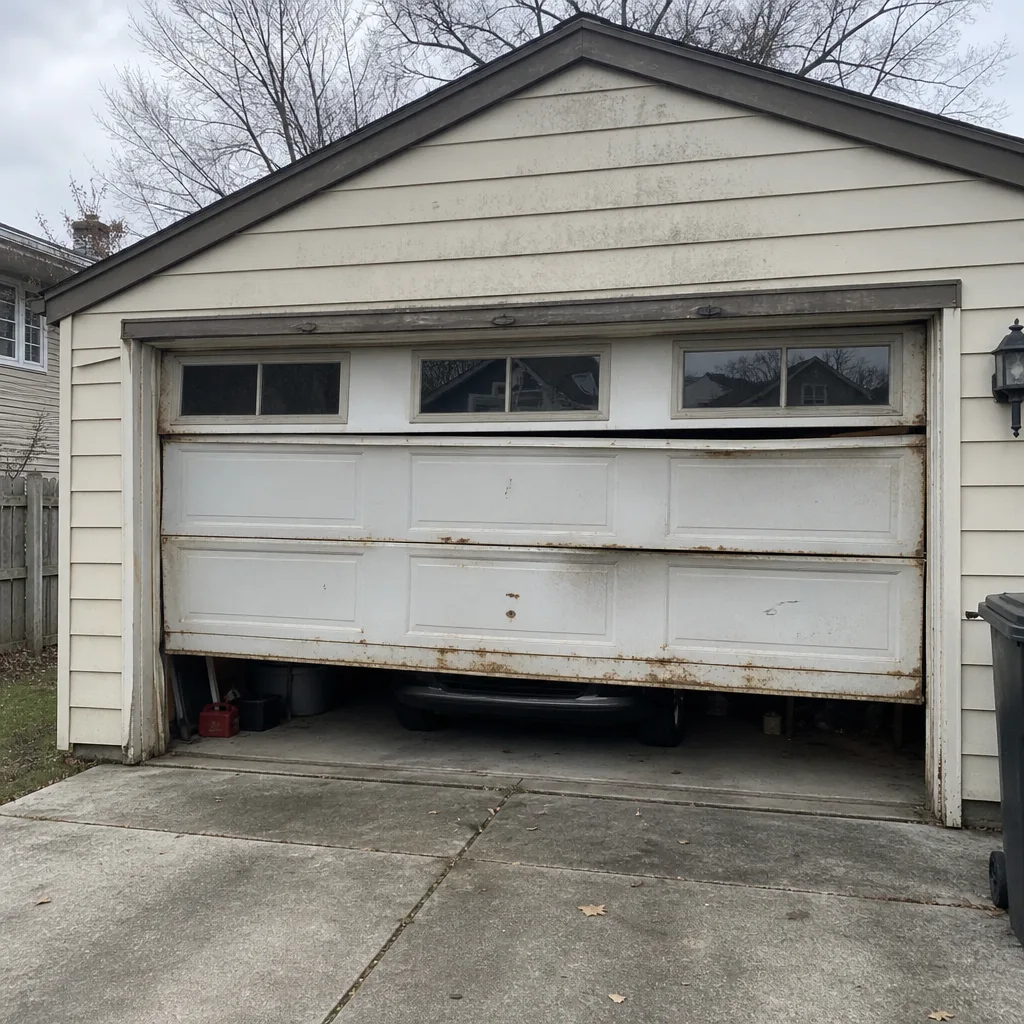
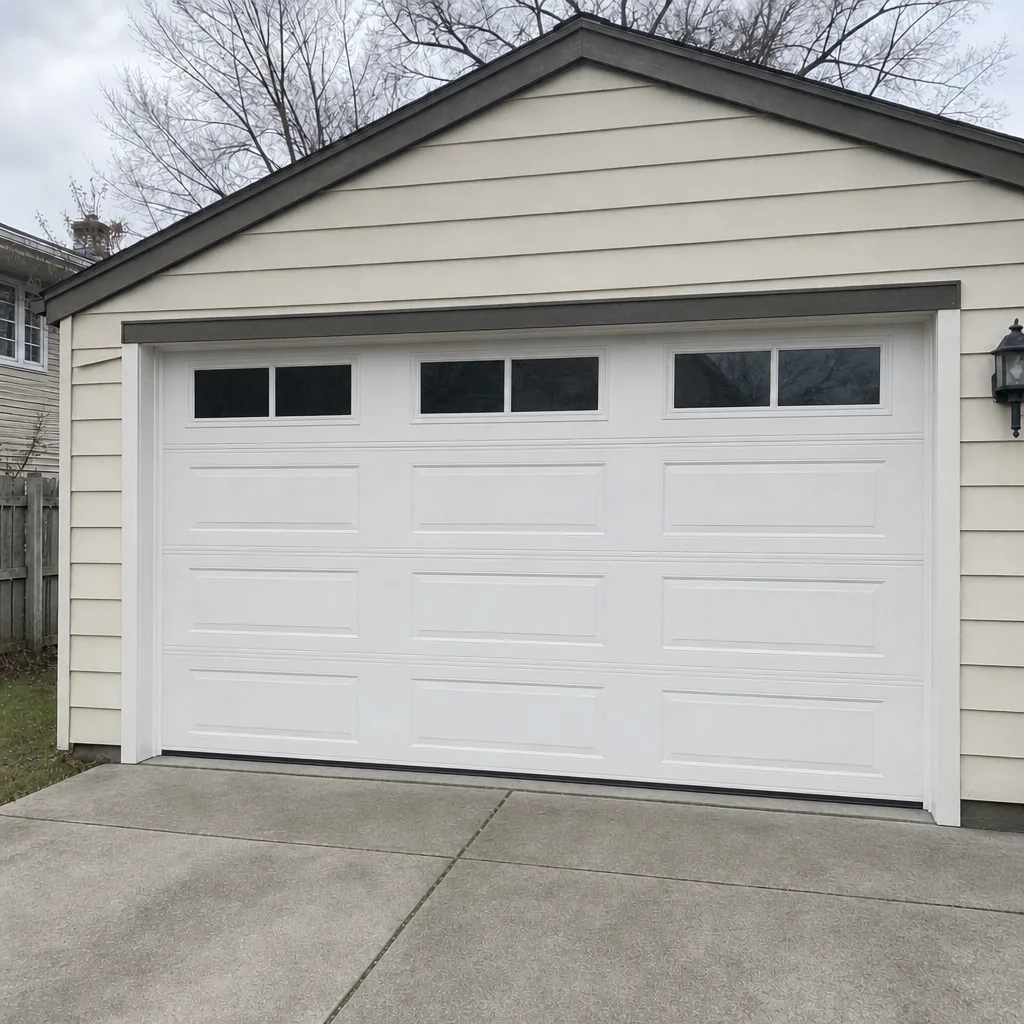
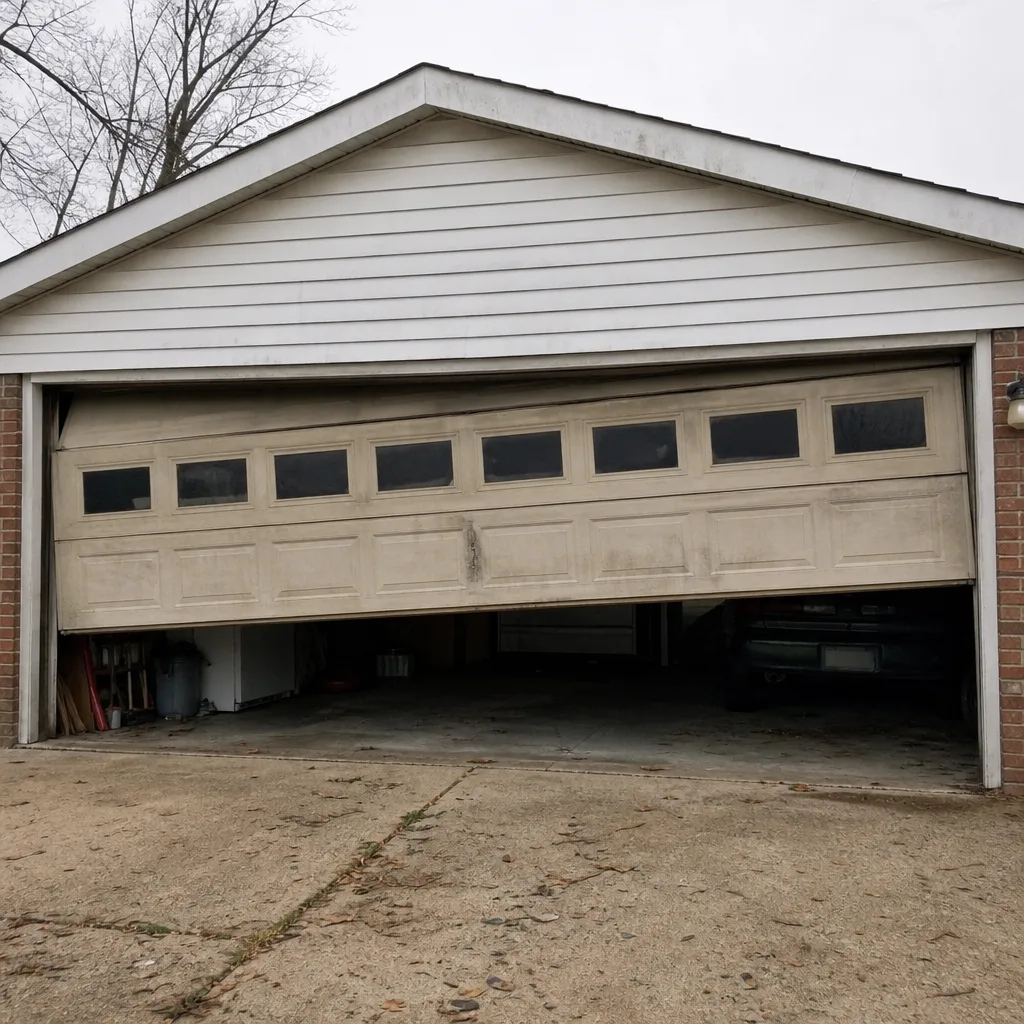
See the difference
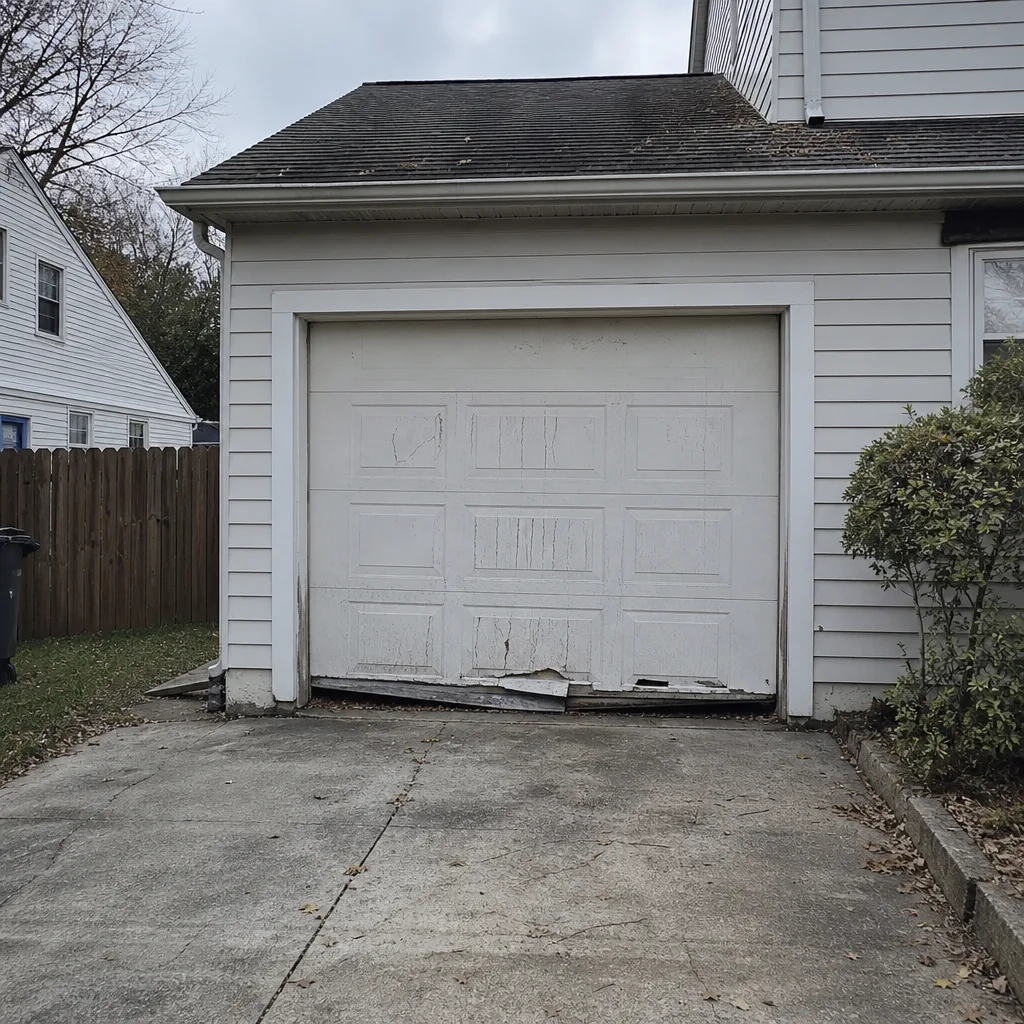 Before
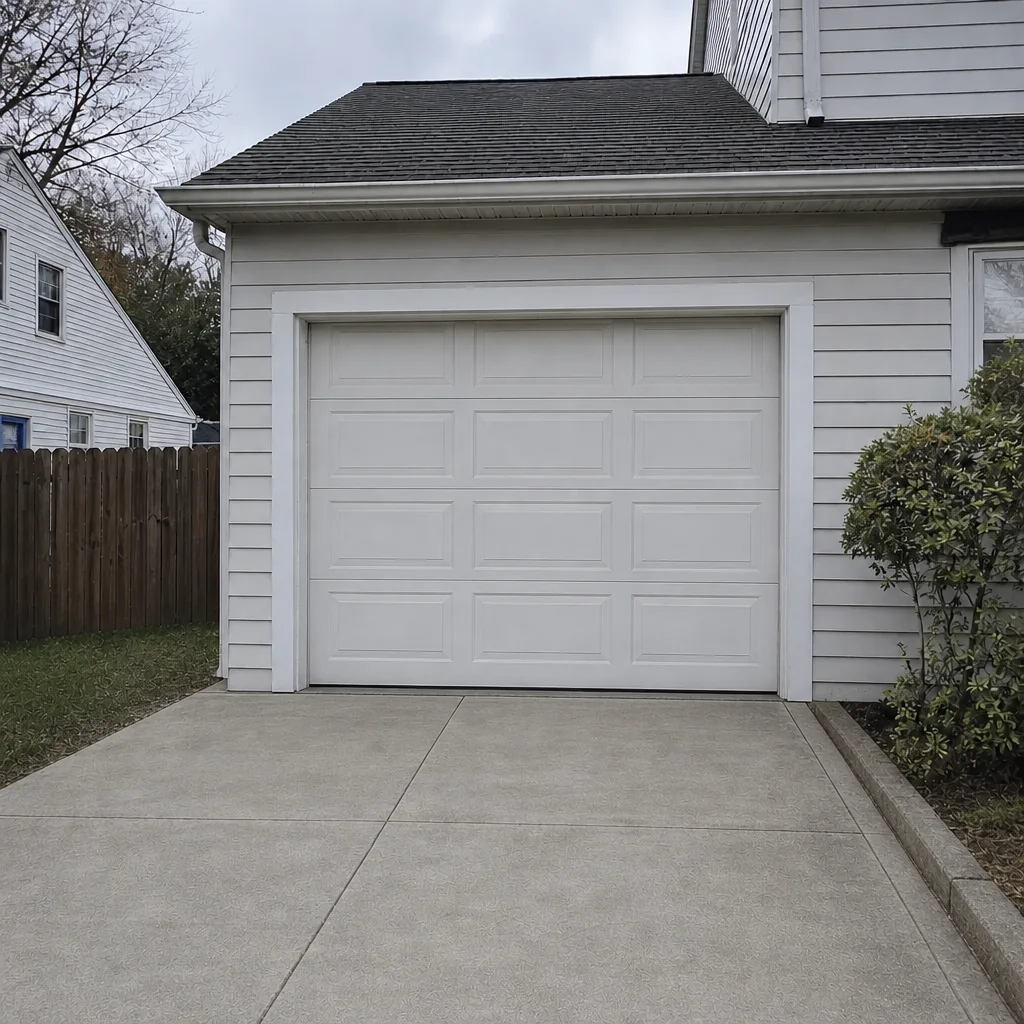 After
 Before
 After
 Before
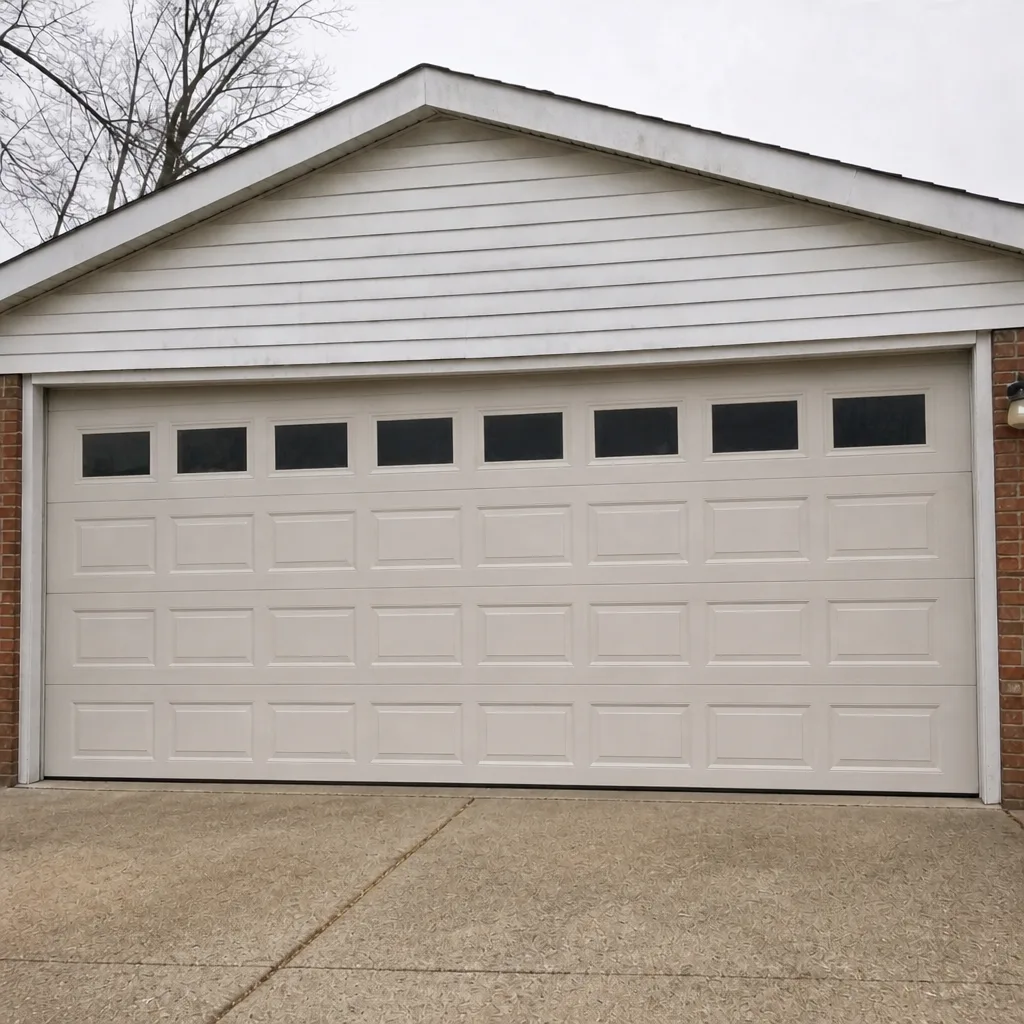 After
When to Call a Professional
Some garage door problems need a specialist, and trying to self-diagnose past a certain point costs more than it saves. Call a professional if: your door is making a popping or grinding sound, your auto-reverse fails the gap test even once, your springs show visible rust pitting or the door won’t hold a half-open position, your door moves noticeably slower than last season, or any component on the door or opener has visibly broken, bent, or come loose. In any of those cases, stop operating the door and call. Bayside Garage Door Repair Pros offers free estimates in Bayside; call (877) 757-2379. We handle emergency garage door service for doors that won’t open or close, plus repairs and diagnostics for every part of the system. Our technicians have up to 11 years of experience, and we work on LiftMaster, Chamberlain, Genie, Clopay, Amarr, Wayne Dalton, Craftsman, and Raynor systems specifically.
Frequently Asked Questions
The earliest warning signs are usually a door that moves more slowly than it did a few months ago, a new grinding or squealing sound, or a slight hesitation at the start of opening. These appear weeks before most failures, and they’re the reason a monthly 60-second inspection catches problems early. Call (877) 757-2379 for a free estimate if you notice any of them.
Spring repair pricing depends on the spring type and whether one or both springs are being replaced, and we quote it in writing before any work starts. Matched pairs are usually replaced together, and the written estimate sets the final price. Call (877) 757-2379 for a free estimate on your specific door.
Yes, we offer emergency garage door service for situations where a door won’t open or close safely. When your door won’t move, we move fast. Call (877) 757-2379 and we’ll get you on the schedule.
A grinding sound itself usually isn’t dangerous, but it’s a strong signal that a component is wearing and should be inspected. If the grinding is accompanied by popping or by the door binding on one side, stop using the door and call a specialist. The risk isn’t in the sound; it’s in what the sound predicts.
Once a month. The gap test takes under a minute and is the single most important routine check for a Bayside homeowner. If the door ever fails to reverse on the board test, stop using it and call (877) 757-2379.
Yes. We work on Wayne Dalton, Craftsman, Amarr, Raynor, LiftMaster, Chamberlain, Genie, and Clopay systems specifically. Brand familiarity means we know each manufacturer’s failure patterns, so diagnosis is usually faster. Call (877) 757-2379 for a free estimate.
The Bottom Line
Most garage door failures are forecast by warning signs that homeowners miss because the door still works. A slow door, a new grinding sound, rust on the spring ends, a reverse test that only passes “most of the time,” or a door that binds by hand are all diagnostic signals, not quirks. The three monthly checks (gap test, balance test, visual cable inspection) each take under a minute and catch the majority of developing issues before they become emergency calls. If anything on this list turns up on your Bayside door, don’t wait for the failure. Call (877) 757-2379 for a free estimate, and we’ll quote the repair in writing before any work starts. Bayside Garage Door Repair Pros is a full-service garage door specialist that handles the door, the opener, the springs, and the hardware from one call.
Written by the team at Bayside Garage Door Repair Pros.