Last updated November 22, 2026
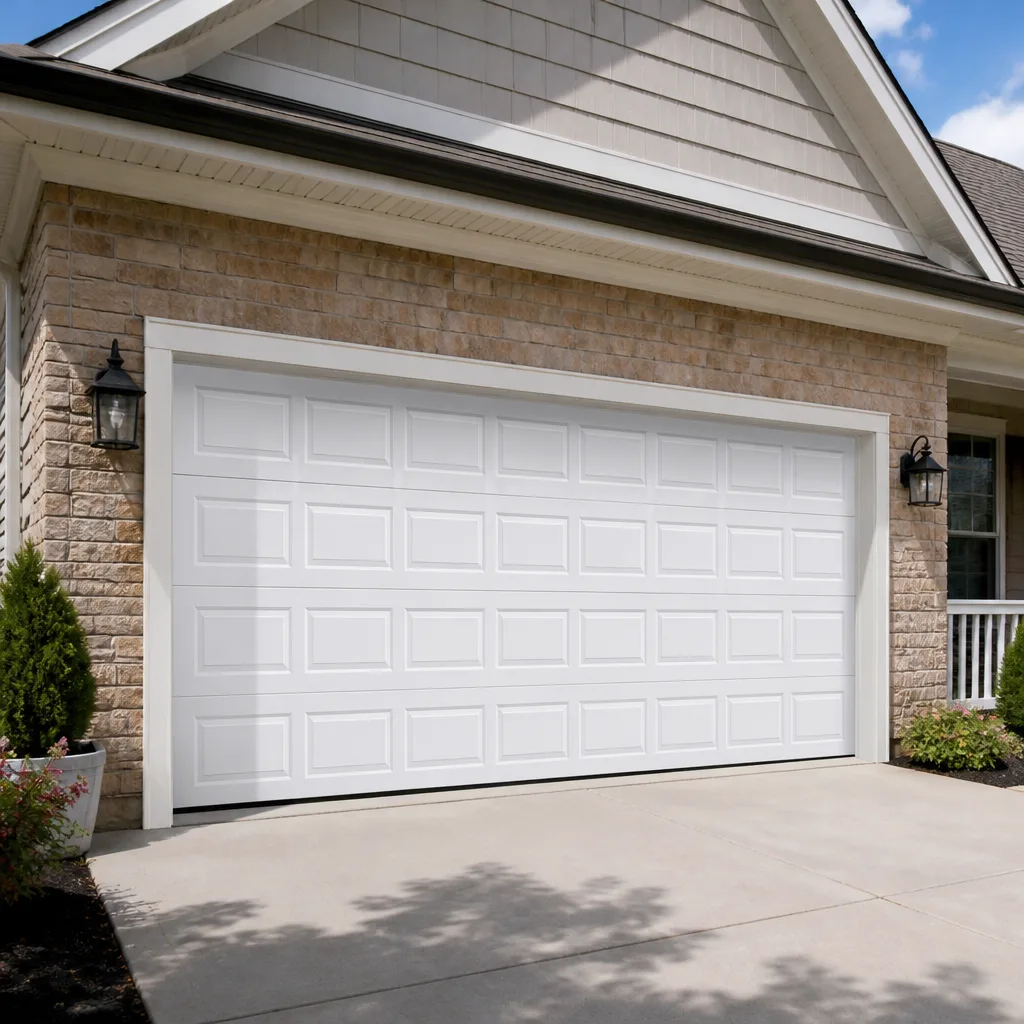 Raised-panel steel
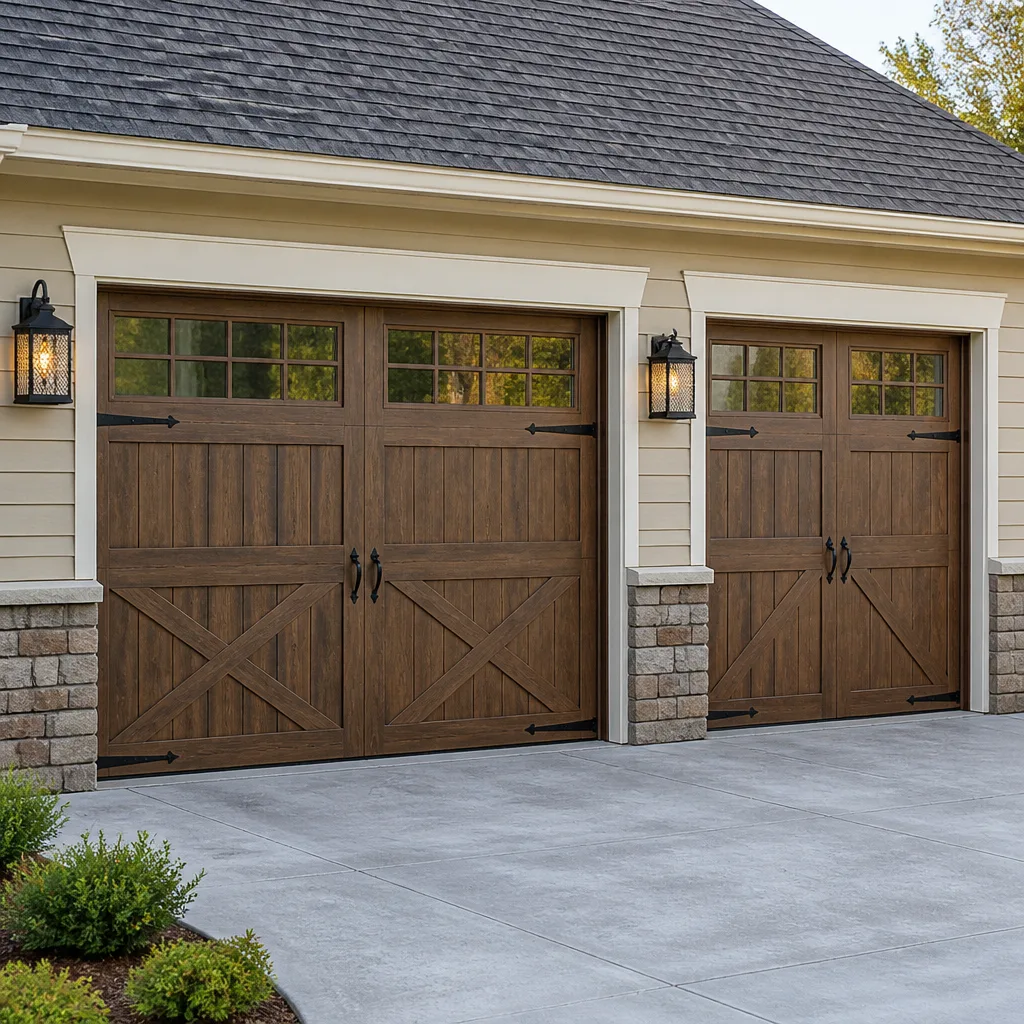 Carriage house
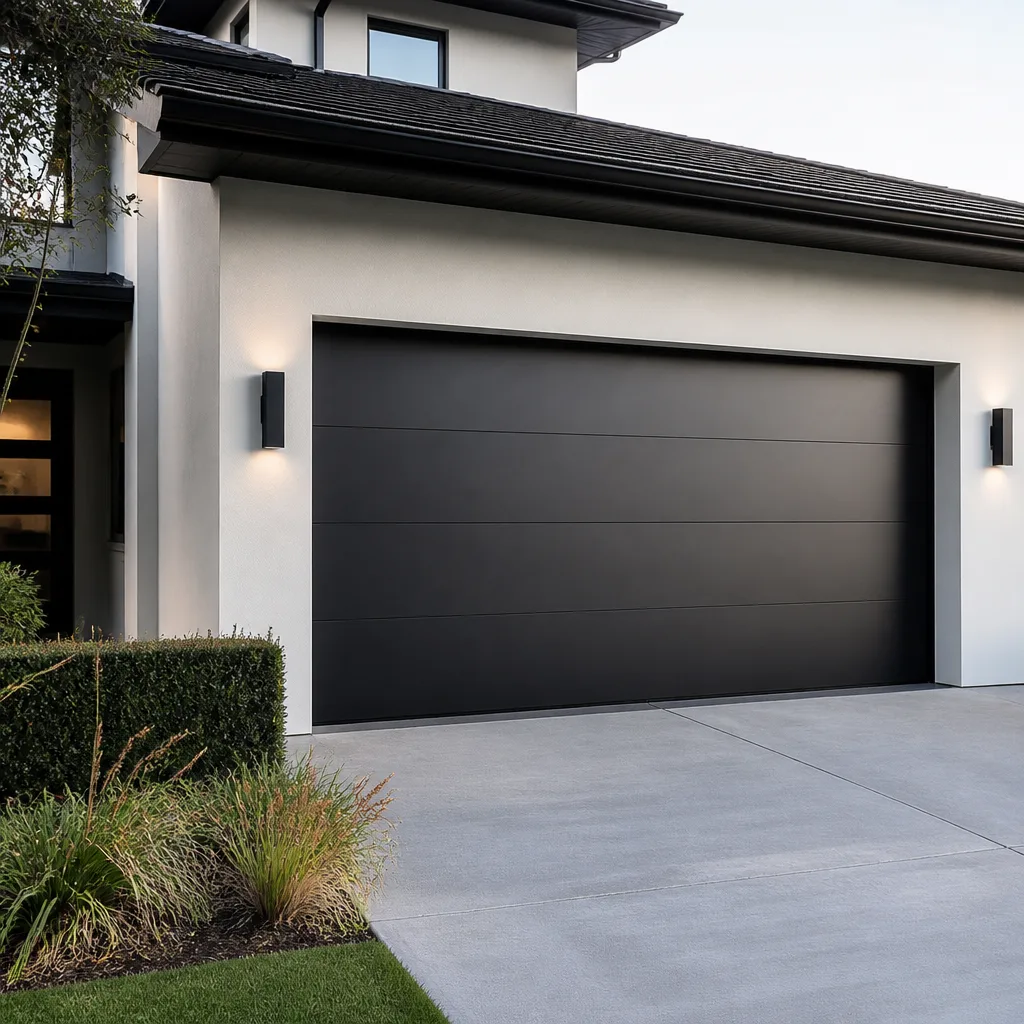 Modern flush
 Full-view glass
 LiftMaster openers
 Chamberlain openers
Full 25-point door and opener safety check with every visit - springs, cables, rollers, tracks, and your LiftMaster or Chamberlain opener included
You get a price before we start. It does not change when the pro arrives.
Get your free estimateSeasonal Garage Door Care for Bayside: Year-Round Homeowner’s Guide
The spring that snaps in January didn’t fail because of the cold. It failed because nobody lubricated it in October, when the humidity dropped and the steel started to contract. That’s the pattern we see every winter in Bayside, and it’s the single most predictable garage door failure in this climate. Most maintenance advice treats seasons as a temperature chart, so homeowners tune up in spring, skip fall, and then wonder why a door that worked fine in September sounds like a bag of bolts by December. This guide walks through the full annual cycle the way it actually plays out in Bayside: what summer humidity does to wood panels and opener boards, why October matters more than April, what freeze-thaw leaves behind, and how to get ahead of storm season without guessing.
Quick Answer
Garage door maintenance in Bayside should follow four checkpoints a year, timed to this region’s humidity and temperature swings rather than to calendar seasons alone. October is the most important month because lubrication applied before the first cold snap prevents the contraction damage that causes most winter spring and hardware failures. Check bottom seals and opener boards after humid summers, inspect rollers and cables after freeze-thaw cycles, and verify wind-load anchoring before hurricane season.
Styles & brands we work with
- Raised-panel steel
- Carriage house
- Modern flush
- Full-view glass
- LiftMaster openers
- Chamberlain openers
Table of Contents
- Why October Is the Most Important Maintenance Month in Bayside
- What a Humid Bayside Summer Does to Your Door
- Winter Problems Specific to the Mid-Atlantic
- The Post-Winter Inspection: What Freeze-Thaw Leaves Behind
- Storm-Season Readiness and Wind-Load Basics
- A Month-by-Month Maintenance Calendar for Bayside
- Opener Care Across the Year
- Common Mistakes to Avoid
Why October Is the Most Important Maintenance Month in Bayside
If you do one thing for your garage door this year, do it in October. That’s when the humidity that held steady through a Bayside summer finally breaks, and when overnight temperatures start dropping enough that steel and aluminum tracks, hinges, and springs begin to contract after months of expansion. Metal that has been sitting slightly loose in the heat tightens up. Lubricant that was adequate in August has thinned or washed away. This is the window where a door either goes into winter prepared or goes in dry.
The sequence matters more than the individual tasks:
- Lubricate every moving metal surface. Hinges, rollers, the torsion or extension spring coils, and the bearing plates at the ends of the shaft. A garage-door-specific lubricant that stays put at low temperatures is the right choice; general-purpose spray oil thins and migrates.
- Tighten the track bolts. Run a socket over the bolts that hold the vertical and horizontal tracks to the framing. Contraction over winter works loose fasteners further, so tightening in October buys you months.
- Check the balance of the door. Disconnect the opener and lift the door halfway by hand. It should hold position. If it drops or rises on its own, the springs are already out of adjustment and winter will make it worse.
- Test the safety reverse. Place a solid object in the door’s path and confirm the door reverses on contact, and that the photo-eye sensors stop the door when the beam is broken.
- Inspect the bottom seal. A cracked or flattened seal lets cold air and moisture under the door all winter. Replace it before the cold sets it hard.
- Look at the weatherstripping around the frame. Gaps at the sides and top show up clearly once the door is closed against a cold morning.
Homeowners in Bayside who follow this October routine consistently report fewer mid-winter surprises. It’s not magic. It’s just that cold weather exposes neglect, and October is the last chance to correct it before the exposure begins. If you’d rather have a technician run the whole checklist, we handle garage door repair and seasonal tune-ups throughout Bayside and can tell you exactly what your door needs heading into winter.
What a Humid Bayside Summer Does to Your Door
Mid-Atlantic humidity is relentless, and garage doors sit in the worst spot for it: a space that’s neither fully indoors nor fully outdoors, with a large flat surface exposed to moist air on one side and whatever the house is doing on the other. Over a summer, that humidity does three specific things, and each one is worth inspecting for in early fall.
Wood panels absorb and swell
If your door has wood or wood-composite sections – common on Clopay and Amarr models with a woodgrain finish – humidity works into the seams and end grain. Panels swell slightly, paint film cracks along the joints, and by September you may see bubbling or peeling at the bottom edges where moisture pools. Once paint fails on a wood door, bare wood is exposed and the swelling accelerates. Touch up any failing paint before October, not after.
Bottom seals degrade quietly
The rubber or vinyl astragal at the bottom of the door is the first thing to go in a humid climate. It stays in contact with a damp concrete floor, and over a summer it can crack, flatten, or pull away from the aluminum retainer. Run your hand along the seal with the door closed and look for daylight underneath. A failing seal doesn’t just leak air; it lets water track in during heavy rain, which is what really shortens the life of the door’s bottom section.
Opener circuit boards collect moisture
Opener heads mounted on the ceiling of an unconditioned garage see the same humidity as everything else. Circuit boards and the small logic components on them are sensitive to condensation, and a humid Bayside summer can leave a film of moisture that causes erratic behavior: remotes that work sometimes, a door that reverses for no reason, or a unit that needs a power cycle to behave. If your LiftMaster or Chamberlain opener has been acting strange since the weather turned, the board or the logic is a reasonable place to look. That’s a job for a specialist, and our garage door opener repair service covers the electrical side of the system as well as the mechanical.
The practical takeaway: treat early fall as your post-summer inspection. Wood, seals, and opener electronics are the three things humidity damages most, and all three are easier and cheaper to address in September than in January.
Winter Problems Specific to the Mid-Atlantic
Bayside winters aren’t the deep freeze of the upper Midwest, but they’re cold enough, wet enough, and variable enough to create a specific set of failures. Three of them come up over and over.
Threshold freezing
When snow melts during the day and refreezes overnight, water that ran under the door freezes at the threshold. The bottom seal bonds to the concrete, and the next time the opener lifts the door it either tears the seal or strains the opener. Keeping the seal in good shape and clearing slush from the apron in front of the door reduces this. If your door has actually frozen shut, don’t force it with the opener – that’s how cables jump and brackets tear out of the framing.
Lubricant viscosity changes
This is the one homeowners overlook. A lubricant that flowed nicely at 75 degrees can get tacky or stiff at 25. If the rollers and hinges were greased with the wrong product in summer, they’ll drag in January, and the extra resistance loads the opener and the springs. Garage-door-specific low-temperature lubricant applied in October solves this before it starts. This is exactly the failure chain behind the snapped spring scenario: dry or thickened lubricant plus cold contraction equals a spring that’s working harder than it should.
Sensor fogging and false reverses
The photo-eye sensors at the bottom of the tracks are aimed across the door opening, and in cold, damp weather the lenses fog or collect condensation. A fogged lens reads as a blocked beam, and the door refuses to close or reverses immediately. Wipe the lenses with a dry cloth when this happens, and check that neither sensor has been knocked out of alignment by a stray broom or a car bumper. If the door still won’t close reliably, the sensors or the wiring are the likely culprits and a technician should trace it.
Winter is also when a failing spring finally gives out, usually on the coldest morning of the year. That’s not coincidence – it’s the end of a chain that started in October. When a door won’t move and it can’t wait, we offer emergency garage door service for exactly those mornings.
The Post-Winter Inspection: What Freeze-Thaw Leaves Behind
Freeze-thaw cycles are hard on a garage door in ways a dry-climate checklist never accounts for. Water gets into small gaps, freezes, expands, and works fasteners and seals loose over a winter, then the thaw lets it drain and the cycle repeats. By March, a Bayside door has been through dozens of these cycles, and there’s a specific list of things to check that you won’t find in a generic spring tune-up guide.
- Cable condition at the drums. Look for fraying, kinks, or rust where the cable wraps around the drum at the top of the door. Cables are under extreme tension and a frayed one is a real hazard – don’t handle them yourself.
- Track alignment. Freeze-thaw can shift the framing slightly, and a track that’s out of plumb by a fraction makes the door bind. Watch the door as it travels: it should move smoothly without the panels shifting sideways.
- Roller wear. Steel rollers that ran dry all winter develop flat spots. Nylon rollers crack. Both make the door noisy and hard to operate.
- Hinge screws backing out. The hinges that connect door sections take the most vibration and freeze-thaw stress. Check that the screws are snug; replace any that have stripped their holes.
- Bottom seal damage from ice. This is the seal’s hardest season. Look for tears where ice pulled at it and for sections that have separated from the retainer.
- Spring condition. Look at the coils for gaps or a visible separation – a spring that’s close to failing often shows a small gap before it goes. Don’t try to adjust it yourself; torsion springs are the most dangerous component on the whole door.
If you want a second set of eyes on the post-winter condition, our technicians have up to 11 years of experience reading exactly these signs, and we work on Wayne Dalton and Craftsman systems as readily as anything else. A spring inspection in March is also the cheapest way to avoid a snapped spring in next January’s cold.
Storm-Season Readiness and Wind-Load Basics
Hurricane season in this part of Virginia runs through the warmer months, and a garage door is the largest opening in most homes – which makes it the weak point when wind pressure builds. Getting ready for storm season is mostly about verifying what you already have and shoring up the parts that have worn.
What wind-load compliance actually means
Garage doors are rated for wind pressure, and that rating depends on the door’s construction, its reinforcement, and how it’s anchored to the framing. A door installed to a wind-load standard has specific brackets, struts, or a reinforcement system that hold it in place under pressure. If you don’t know your door’s rating, the rating label is usually on the door itself, and the manufacturer can confirm what it was built for. In Bayside, where storm season is a real annual event, it’s worth knowing whether your door meets the standard for your area – and if it doesn’t, a properly rated replacement is a genuine upgrade, not an upsell.
What to check before storm season
- Bottom seal integrity. A tight seal keeps wind-driven rain out and helps the door resist pressure at the base.
- Anchor brackets and track fasteners. Loose anchors are the first thing to fail under wind load. Tighten and replace as needed.
- Reinforcement struts. If your door has horizontal reinforcement, confirm it’s attached and not bent.
- Door balance. A door that’s out of balance puts uneven stress on the tracks and makes it more vulnerable under load.
- Opener engagement. Make sure the door is fully engaged with the opener and that the manual release works, so you can secure the door if power goes out.
If your door is older or you’re not sure it’s rated for the wind loads this region can see, a professional assessment is worth the call. We handle garage door installation for homeowners who decide to upgrade to a properly rated door before the season starts.
A Month-by-Month Maintenance Calendar for Bayside
The cleanest way to stay ahead of the cycle is to spread the work across the year. Here’s the schedule we recommend to Bayside homeowners, built around the region’s humidity and temperature pattern.
- March – post-winter inspection. Check cables, rollers, hinges, and spring condition after freeze-thaw. Replace the bottom seal if ice damaged it.
- April – balance and hardware check. Test the door’s balance by hand. Tighten hinges and track bolts. Replace any worn rollers.
- May – storm-season prep. Verify wind-load anchoring, check reinforcement, and make sure the bottom seal is tight before hurricane season.
- June through August – humidity watch. Inspect wood panels for swelling and paint failure. Wipe down opener boards if the unit acts up. Keep the bottom seal clear of debris.
- September – post-summer assessment. Check wood, seals, and opener electronics after the humid months. Touch up paint before the wet season.
- October – the main tune-up. Lubricate everything, tighten tracks, test the safety reverse, and confirm the door’s balance before cold contraction sets in.
- November – cold-weather prep. Confirm the seal is seated, clear the apron, and verify the opener’s force settings are appropriate for the colder weather.
- December through February – watch and listen. Note any new noise, slow response, or hesitation. Address small issues before they become winter failures.
Two of these checkpoints – October and March – are the ones to prioritize. The rest are quick visual checks most homeowners can do themselves. If a checkpoint turns up something that needs a trained eye, Bayside Garage Door Repair Pros can take it from there.
Opener Care Across the Year
Your opener works harder in some seasons than others, and the way you treat it should change with the weather. The mechanical door and the electrical opener are two halves of one system, and a problem in either shows up in both.
In summer, humidity is the main threat to the opener’s electronics. Circuit boards and logic components are sensitive to condensation, and erratic behavior – remotes that work intermittently, a door that reverses without cause – often traces back to moisture on the board. Keeping the garage as dry as practical and making sure the opener head isn’t directly under a roof leak helps. If the unit has been unreliable through a humid stretch, a qualified look at the board or the logic is worthwhile.
In winter, the opener feels the cold through the door. A stiff door requires more force to move, and if the opener’s force settings are at their limit, it will strain or trip its safety reverse. That’s why the October lubrication matters so much: a well-lubricated door needs less force, which is easier on the opener. If your opener has a battery backup, test it before winter so you’re not caught without a way to open the door during an outage.
Brand familiarity helps here. We work on Genie, LiftMaster, Chamberlain, and Craftsman systems regularly, and knowing the specific quirks of each one means we can diagnose an opener problem faster. If your door and opener both need attention, one call covers the door, the opener, the springs, and the hardware.
Common Mistakes to Avoid
- Doing the annual tune-up in spring instead of fall. Spring tune-ups are fine, but the fall one is what actually prevents winter failures in Bayside. If you only do one, do October.
- Using general-purpose oil on the tracks and springs. Thick oil attracts grit and gets stiff in cold weather. Use a garage-door-specific lubricant that stays workable at low temperatures.
- Adjusting a torsion spring yourself. This is the single most dangerous mistake on the list. Torsion springs store enormous energy, and a mistake can cause serious injury. Leave spring adjustment and replacement to a trained professional.
- Forcing a frozen door with the opener. If the door is iced to the threshold, forcing it strains the opener and can tear brackets out of the framing. Clear the ice first, or call for help.
- Ignoring a small gap in the spring. A visible gap in a torsion spring means it’s close to failing. Waiting for it to snap on a cold morning is a much worse outcome than replacing it on your schedule.
- Skipping the post-summer wood check. Wood doors in a humid climate need paint touched up before the wet season, not after. Once water gets into end grain, the repair gets more expensive.
- Assuming a storm-rated door means nothing to maintain. A rated door still needs its anchors, seals, and reinforcement checked before storm season. The rating only holds if the hardware is intact.
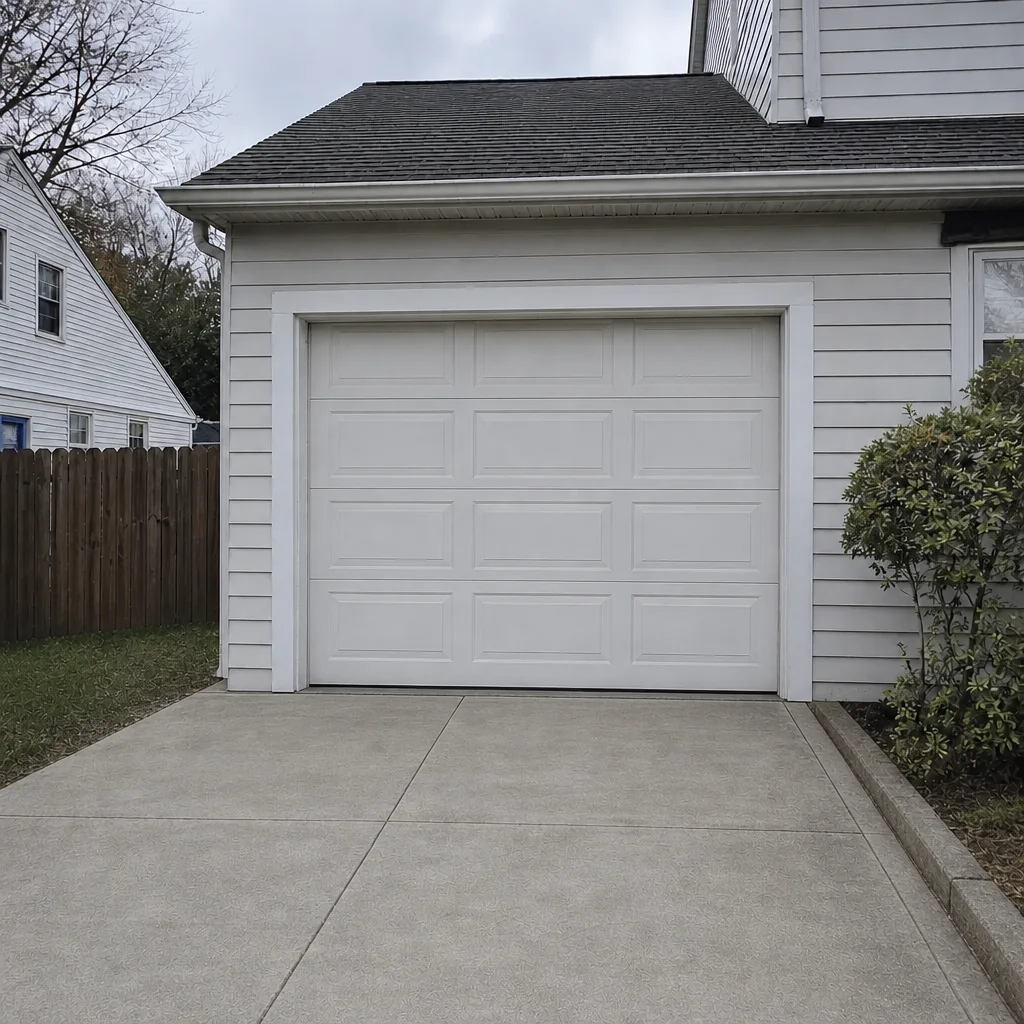
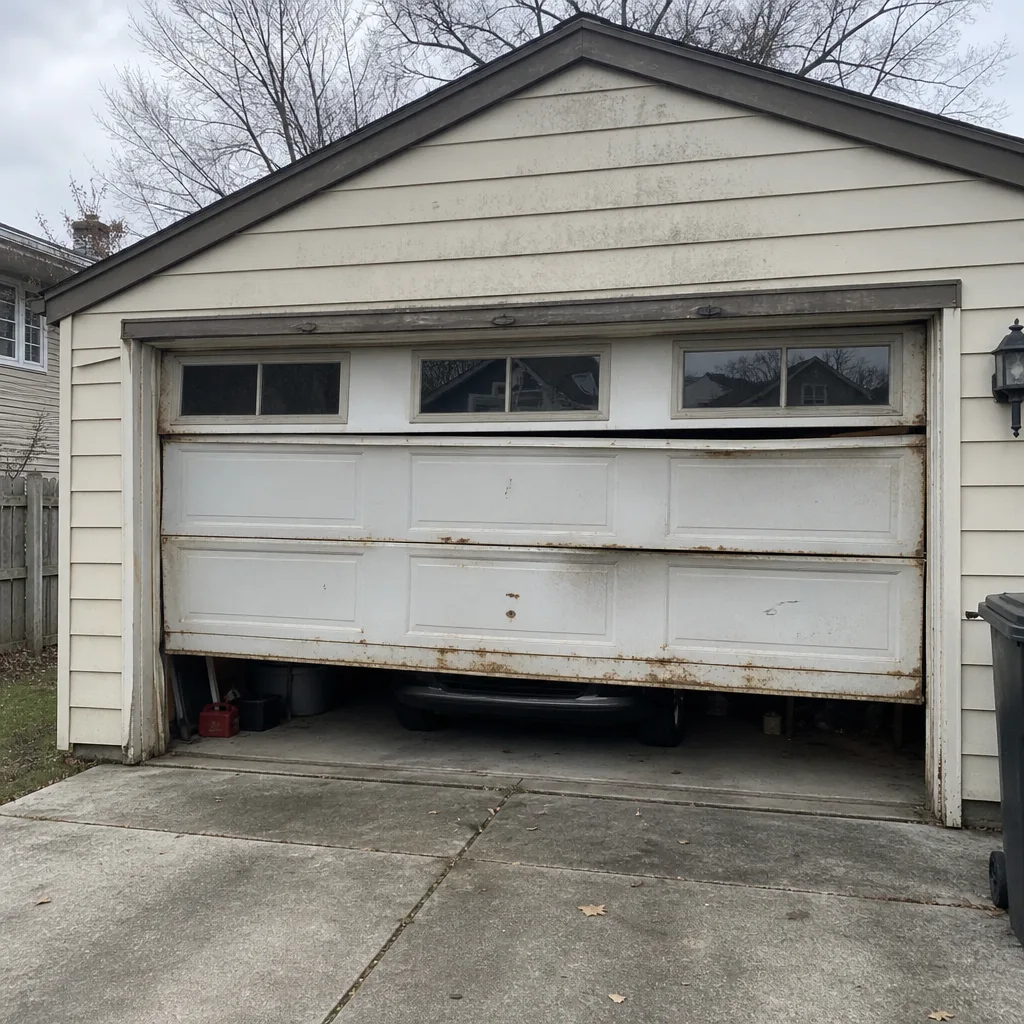
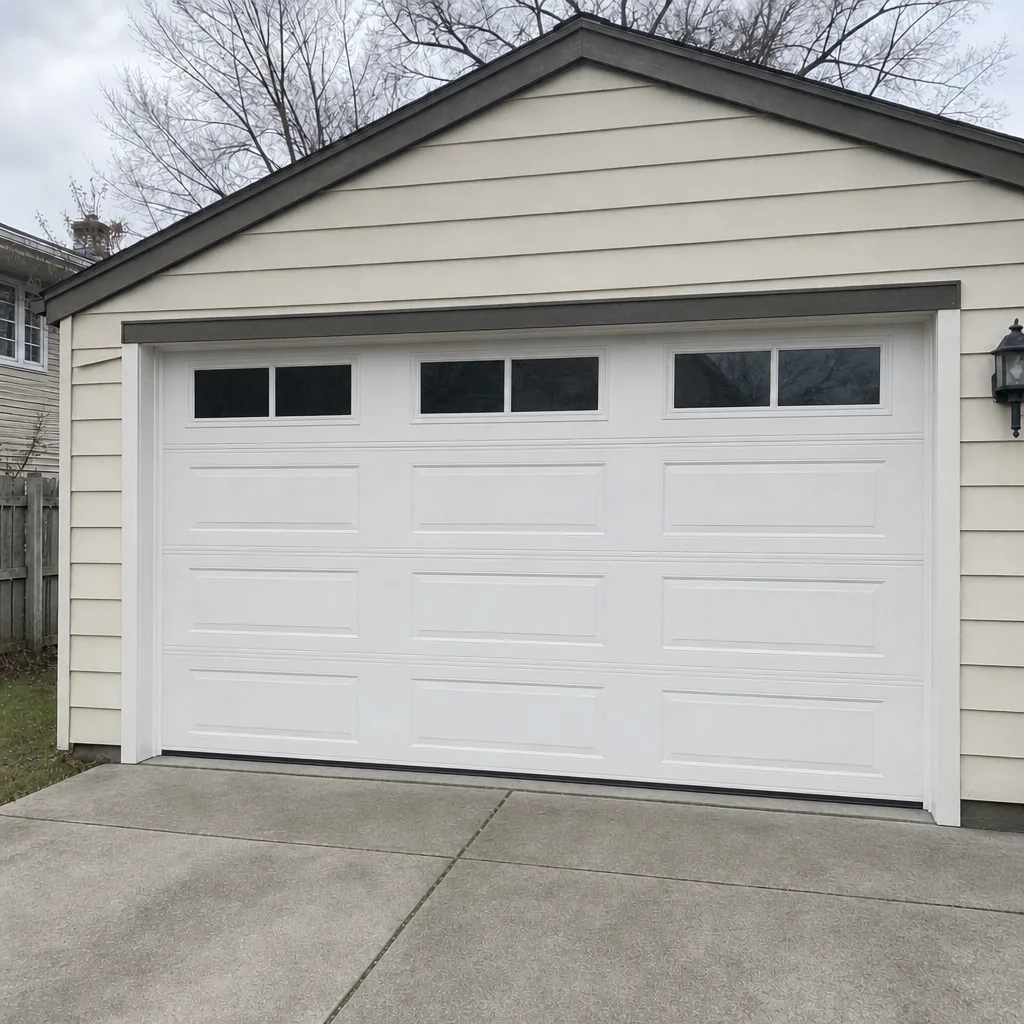
See the difference
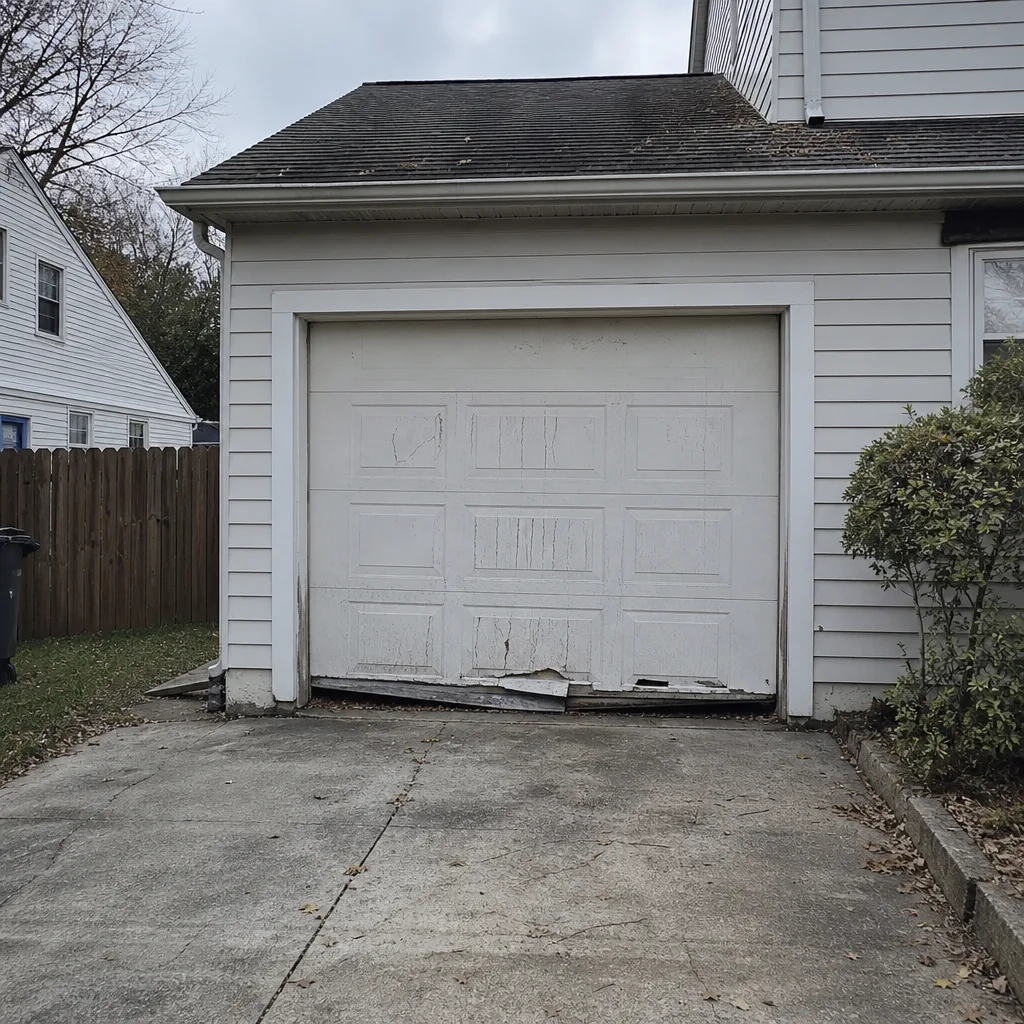 Before
 After
 Before
 After
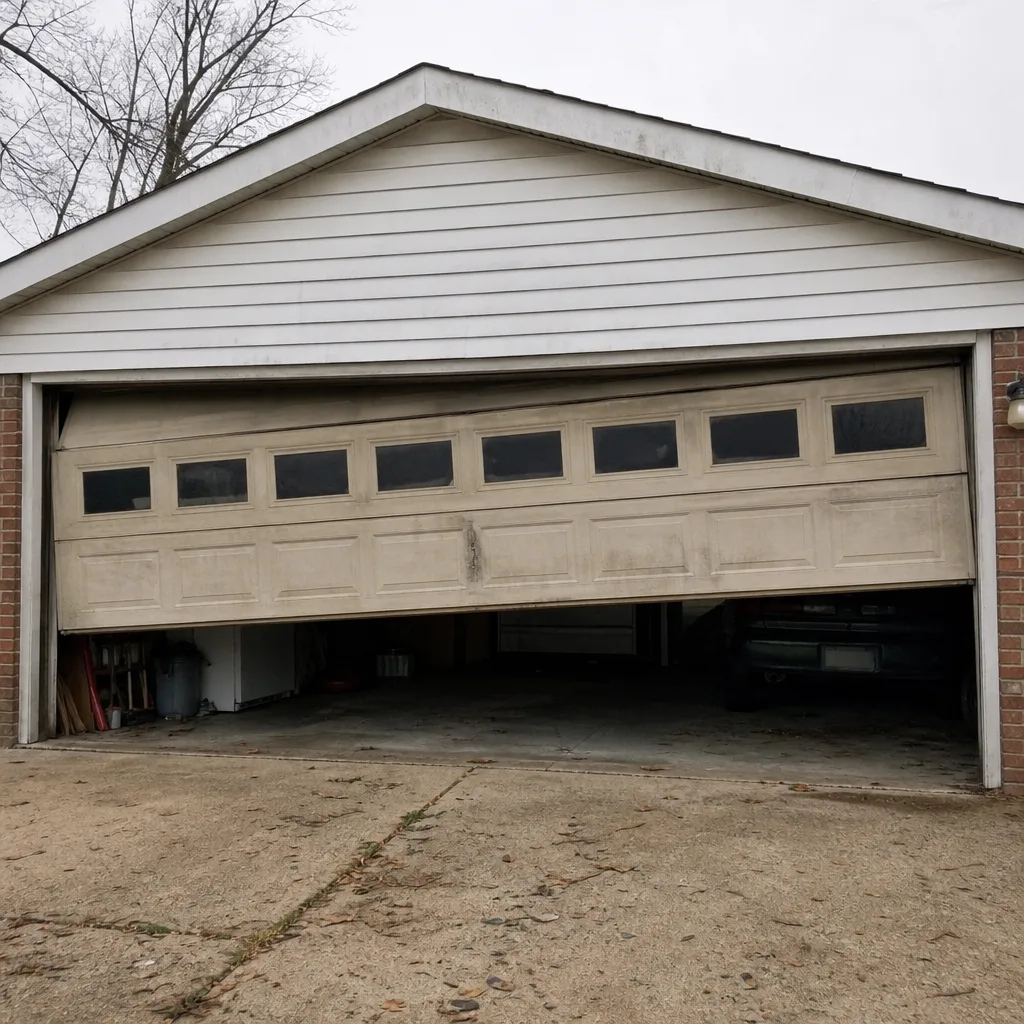 Before
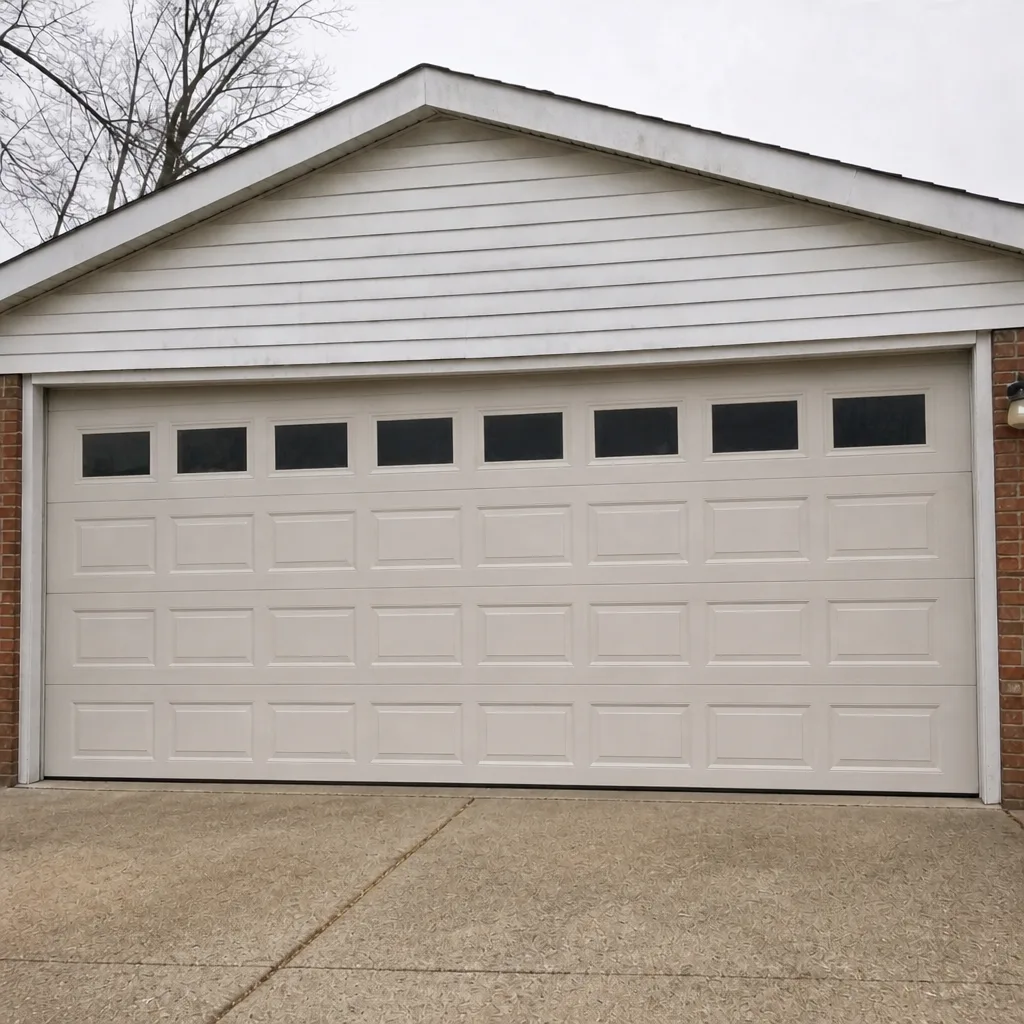 After
When to Call a Professional
Some maintenance is a homeowner job: wiping sensors, touching up paint, clearing slush. Other problems are worth a professional call the moment you notice them. If your door is out of balance, if a torsion spring shows a gap, if a cable is frayed or kinked, if the door binds in its tracks, or if the opener behaves erratically after a humid stretch, don’t wait. Those are the conditions that turn into snapped springs, jumped cables, and doors that won’t close on a cold morning – and they’re cheaper to fix before they fail completely. If you’re not sure whether something is a big deal, that’s also a good reason to call. Bayside Garage Door Repair Pros offers free estimates in Bayside – call (877) 757-2379, and we’ll tell you what your door actually needs.
Frequently Asked Questions
The most important tune-up is in October, before cold contraction sets in. A secondary post-winter inspection in March catches freeze-thaw damage. If you only schedule one visit a year, make it the fall one.
Call (877) 757-2379 for a free estimate and we’ll help you time it right.
Winter spring failures usually trace back to dry or thickened lubricant combined with cold contraction, not the cold alone. A spring that wasn’t lubricated in October works harder as the metal contracts, and the added strain is what causes it to snap. Lubricating in fall is the cheapest prevention there is.
If a spring has already broken, don’t run the opener. Call (877) 757-2379 – a broken spring is not a DIY fix, and we handle spring repair as a specialty.
Humidity swells wood and composite panels, degrades the bottom seal, and can cause condensation on opener circuit boards. Check wood, seals, and opener electronics in early fall, after the humid months, so you catch the damage before the wet season starts.
Call (877) 757-2379 if your opener has been acting up since summer.
Garage doors carry a wind-pressure rating that depends on their construction, reinforcement, and anchoring. The rating label is usually on the door, and the manufacturer can confirm what it was built for. If you don’t know your door’s rating, a professional assessment before storm season is worth it.
Call (877) 757-2379 for a free estimate on a wind-load check or a rated door upgrade.
You can lubricate hinges, rollers, and tracks yourself with a garage-door-specific lubricant, as long as you stay away from the torsion spring and cables. Spring adjustment and any work on the cables should always go to a trained professional – those components store dangerous energy.
If you’re not comfortable, call (877) 757-2379 and we’ll handle the full fall tune-up.
Check cable condition, track alignment, roller wear, hinge screws, bottom seal damage from ice, and spring condition. Freeze-thaw cycles work fasteners and seals loose, so the post-winter check is where you catch the damage before it spreads.
Call (877) 757-2379 for a free estimate on a post-winter inspection.
The Bottom Line
Bayside’s seasons don’t fail garage doors on a temperature chart – they fail them on a humidity-and-contraction cycle. Summer swells wood and stresses seals and opener boards. Fall is when the metal contracts and dry hardware starts to strain. Winter exposes every bit of neglect that October didn’t fix, and freeze-thaw leaves the damage for spring to reveal. The fix is a schedule timed to that cycle, not to the calendar: October lubrication and tune-up as the main event, a March inspection after freeze-thaw, a storm-season check before hurricane season, and a summer watch on wood and electronics. Do those and the January spring snap stops being a surprise. Fall is the month to act – call (877) 757-2379 for a free estimate and get your door ready before the cold does the work for you.
Written by the team at Bayside Garage Door Repair Pros.