Last updated November 22, 2026
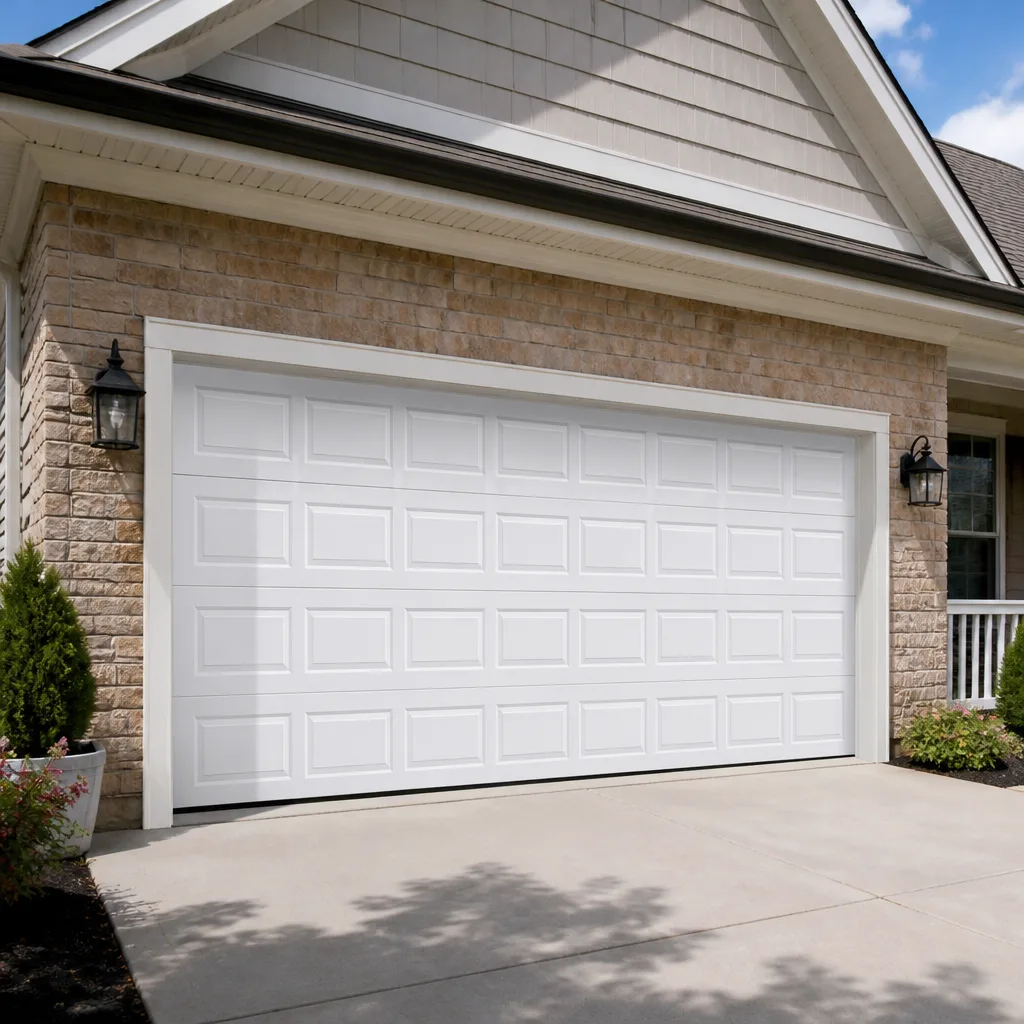 Raised-panel steel
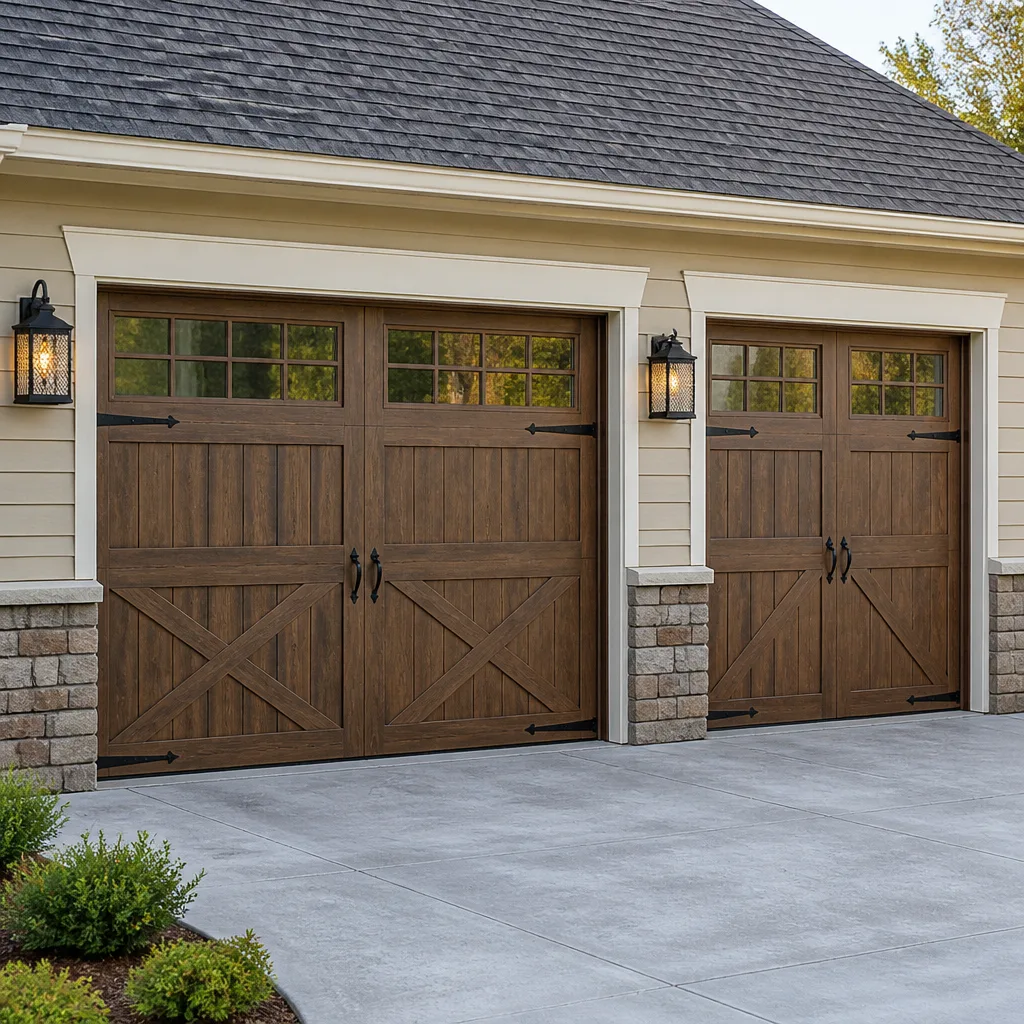 Carriage house
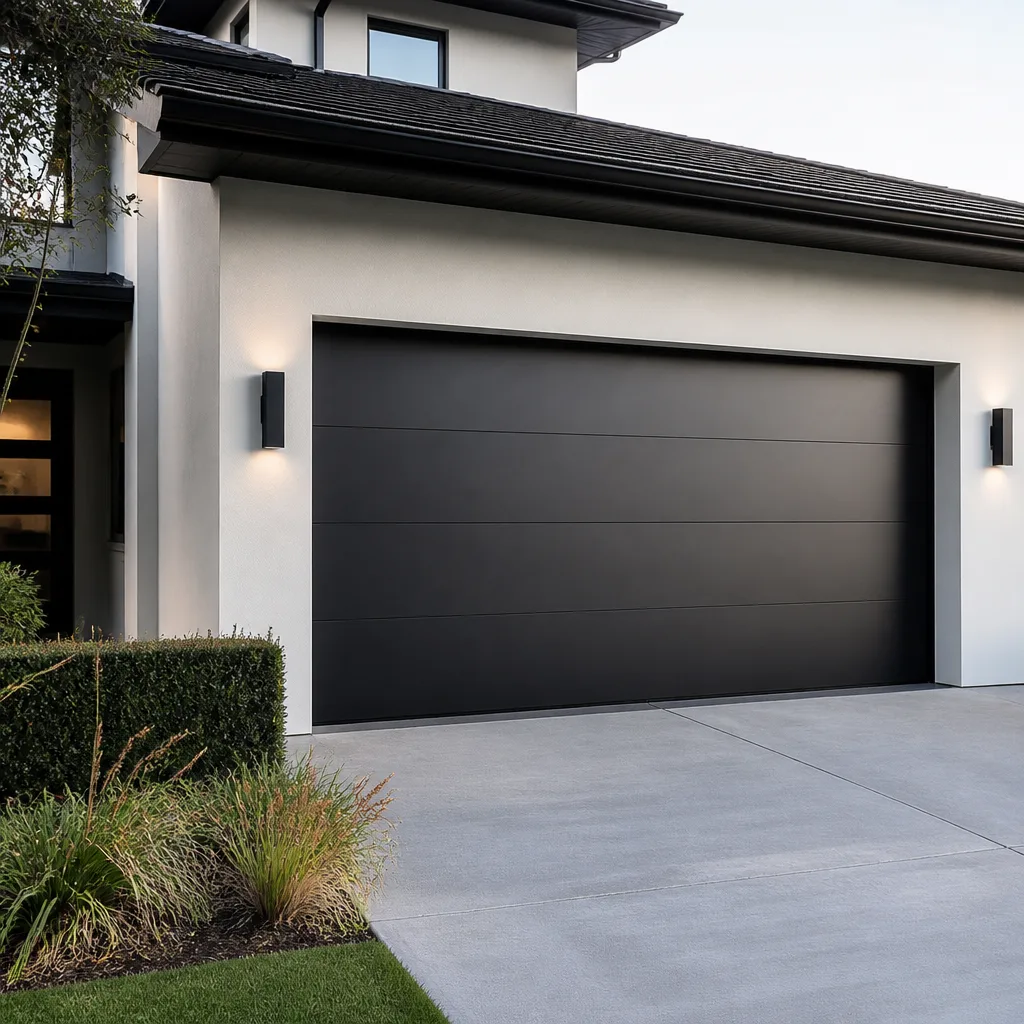 Modern flush
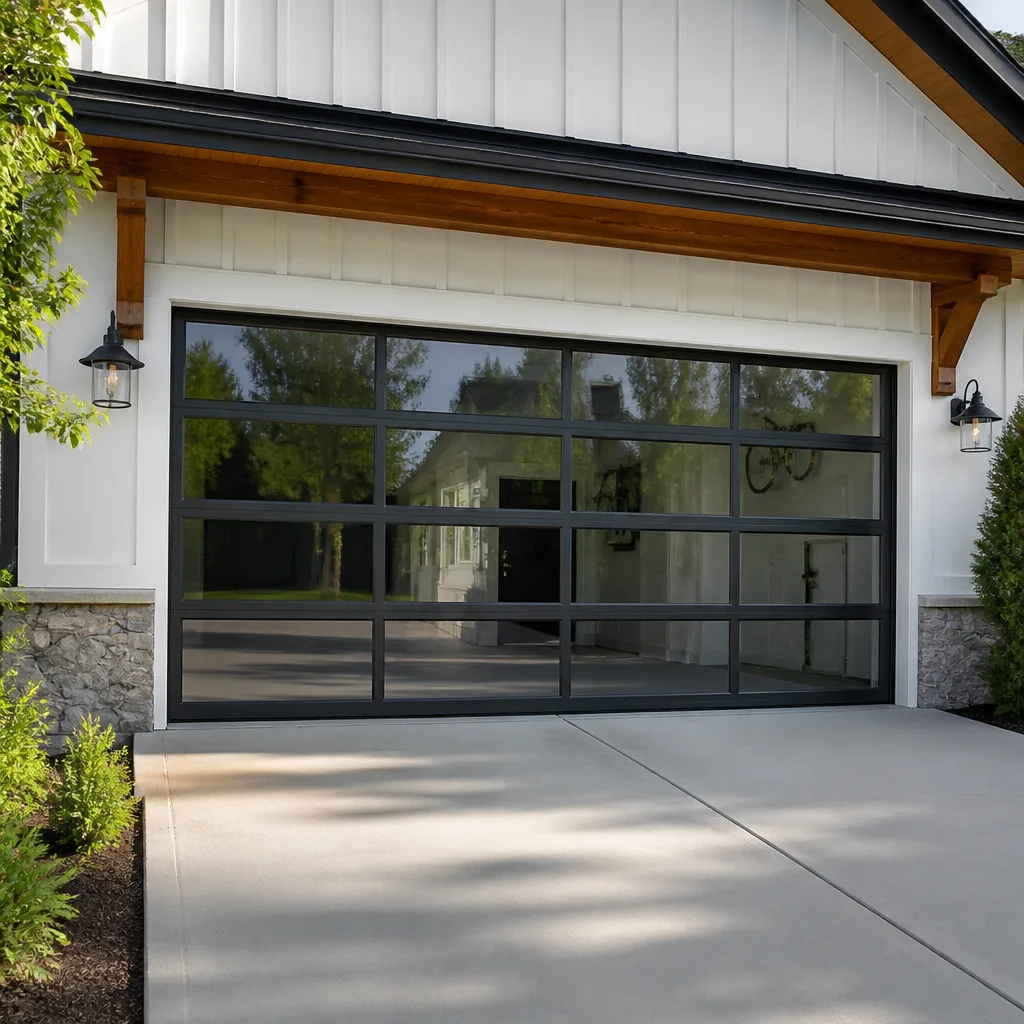 Full-view glass
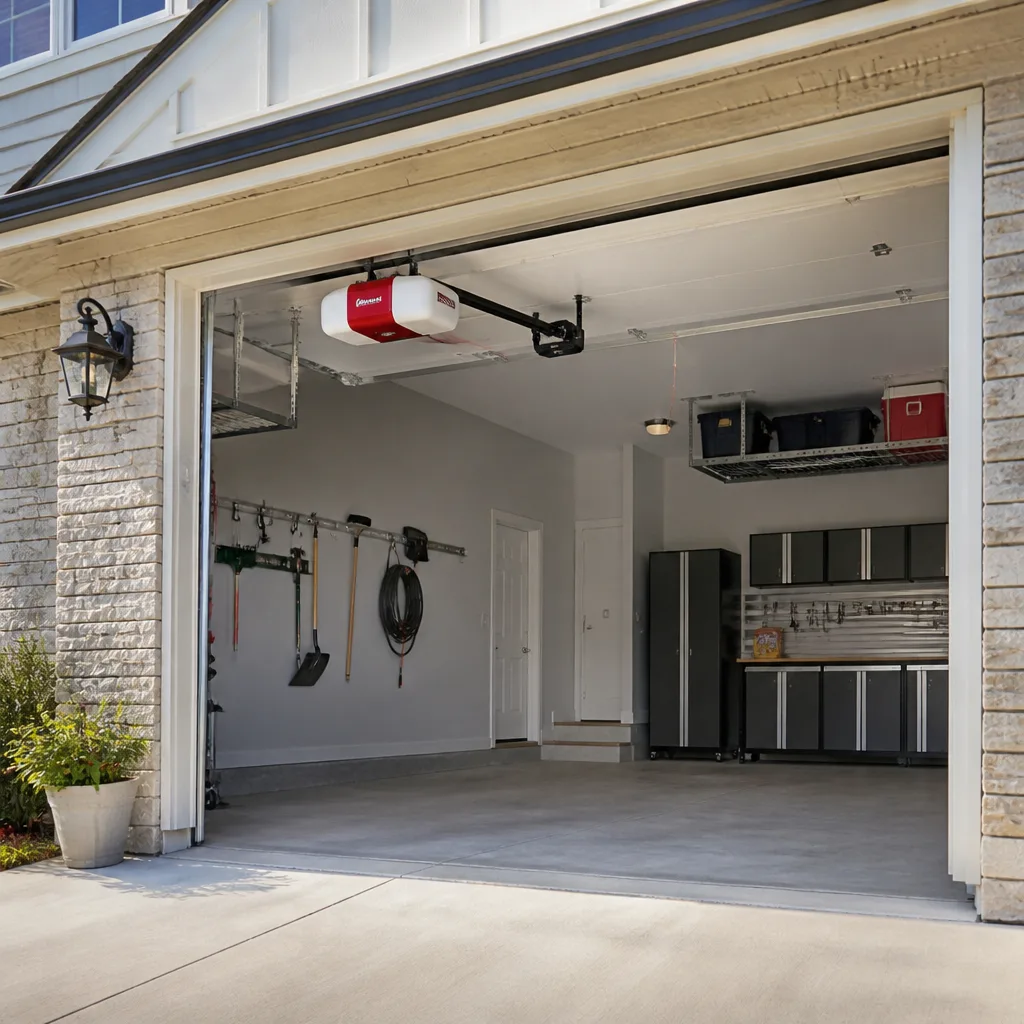 LiftMaster openers
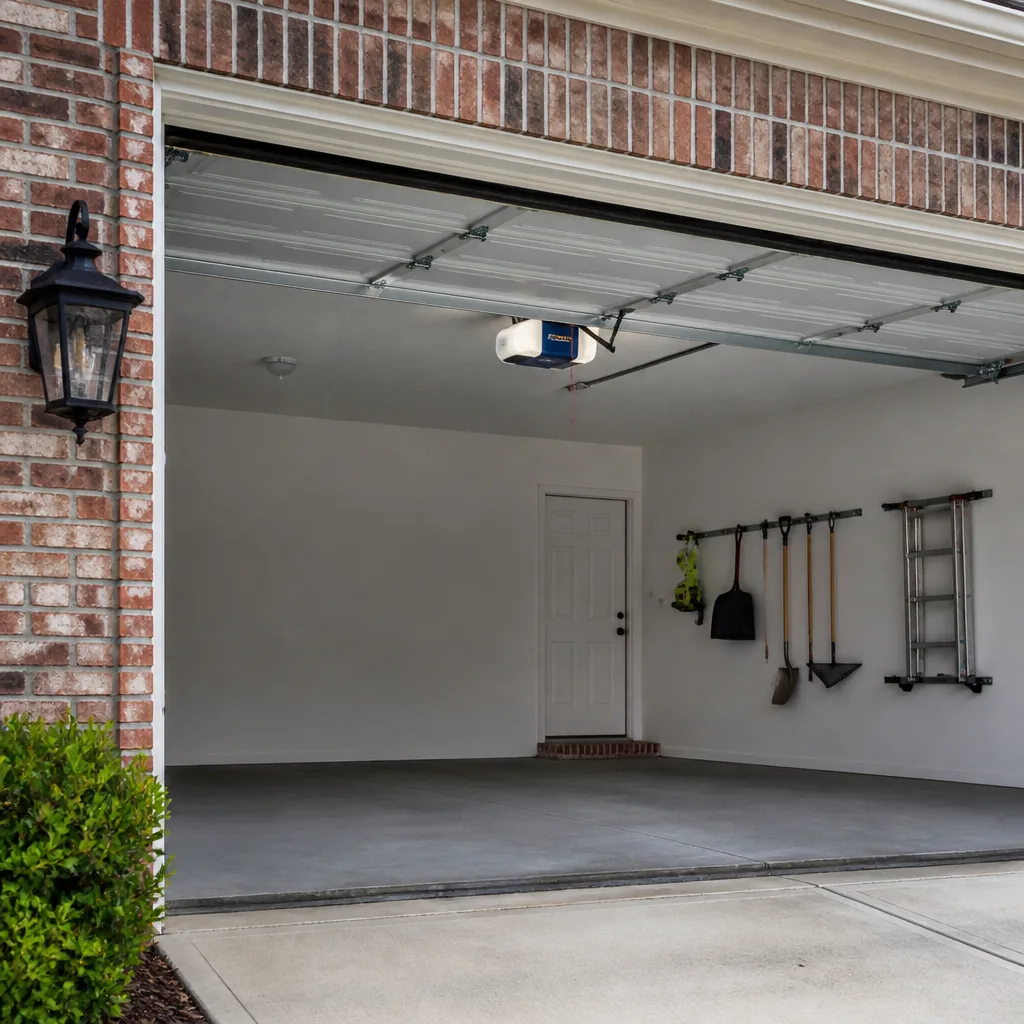 Chamberlain openers
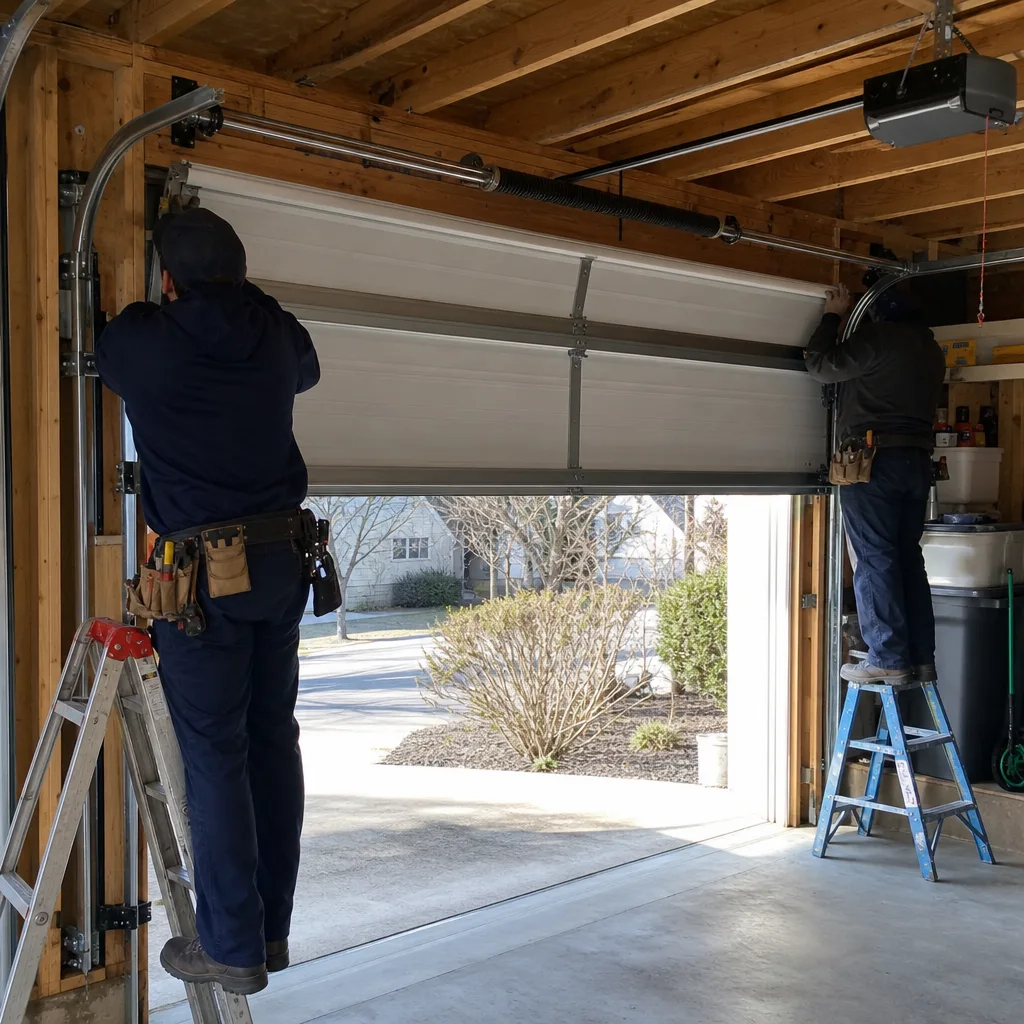
Full 25-point door and opener safety check with every visit - springs, cables, rollers, tracks, and your LiftMaster or Chamberlain opener included
You get a price before we start. It does not change when the pro arrives.
Get your free estimateGarage Door Repair Troubleshooting in Bayside: Common Problems and How to Fix Them
A door that reverses before it touches the ground and a door that won’t move at all look like entirely different problems. Most homeowners assume the second one is an opener failure and the first is a track issue. But in our experience across Bayside, both are frequently caused by the same misaligned safety sensor, and chasing the wrong system first can cost you hours. The trick isn’t memorizing a list of symptoms. It’s knowing which of the five mechanical systems on a garage door is actually responsible. This guide walks you through that exact triage sequence, the elimination order a trained technician uses, so you can narrow your problem down before anyone touches a tool. We’ll cover the five systems, the sounds that give failures away, and where a Bayside door’s specific climate fits into the picture.
Quick Answer
Most garage door failures trace back to one of five systems: the springs, the cables, the rollers and tracks, the opener, or the safety sensors. The fastest way to troubleshoot a problem in Bayside is to identify which system is failing before you test anything else. Never attempt to replace a torsion spring or re-thread a cable yourself, since both can cause serious injury and void most manufacturer warranties. For everything else, the elimination sequence below gets you to a likely cause in minutes.
Styles & brands we work with
- Raised-panel steel
- Carriage house
- Modern flush
- Full-view glass
- LiftMaster openers
- Chamberlain openers
Table of Contents
- The Five Systems That Fail First
- The Troubleshooting Triage Sequence
- Spring or Cable? Telling Them Apart by Sound and Sight
- Safety Sensor Problems and Why They Fool So Many Homeowners
- Opener and Remote Troubleshooting
- What Bayside Weather Does to Your Door
- Two Repairs That Void Your Warranty and Risk Injury
- Printable Symptom-to-System Chart
The Five Systems That Fail First
Every garage door problem runs through one of five mechanical systems. Learn to name them and you’ll skip the guessing that makes troubleshooting so frustrating. Here’s what each one does and what its failure looks like:
- Springs. Torsion springs (mounted on the bar above the door) or extension springs (running along the sides) counterbalance the door’s weight, so the opener only has to move it, not lift all of it. A failed spring means the door either won’t lift at all or will drop under its own weight.
- Cables. The steel cables run from the bottom corners of the door up to the spring system and hold the door’s lifting force in tension. A frayed or off-sprocket cable makes the door hang crooked or slam closed.
- Rollers and tracks. Rollers ride the door up and down inside the vertical and horizontal tracks. Worn rollers or bent tracks create grinding, sticking, or a door that leaves its path.
- The opener. The motor and its drive mechanism (belt, chain, or screw) push the door along the track. A failing opener runs but doesn’t move the door, reverses immediately, or runs hot and shuts off.
- Safety sensors. The two eye-level units at the base of the track shoot an infrared beam across the opening. If the beam is broken, the opener won’t close the door at all, or it reverses the moment it starts down.
The framework matters because symptoms cross systems. A door that reverses before closing could be a sensor problem or a weak opener force setting. A door that hangs crooked could be a cable or a roller. Naming each system lets you rule things out one at a time instead of chasing symptoms.
The Troubleshooting Triage Sequence
Here’s the elimination order we walk through on nearly every call. This is a diagnostic sequence, not a repair sequence. Stop as soon as you’ve identified the failing system, then decide whether it’s a professional job.
- Watch the door move before touching anything. Does it move at all when you engage the opener? If the motor runs but the door doesn’t move, you’re looking at a spring, cable, or drive-mechanism issue, not a motor issue. If nothing runs, suspect the opener or power.
- Check that the opener has power and the remotes work. If a wall control opens the door but a remote doesn’t, the problem is the remote or its battery. If nothing responds, check the breaker and the opener’s overload reset. A door opener that trips a breaker repeatedly points to a failing opener, not a door problem.
- Inspect the safety sensors next. Look at both units. Each should show a lit LED. If one is dark or flickering, or if the beam path is blocked by an object or cobwebs, that alone explains a door that won’t close or reverses.
- Test the door’s balance by hand. With the opener disconnected (use the manual release), lift the door halfway and let go. A properly balanced door should hold roughly in place. A door that slams or drops fast points to a spring or cable problem.
- Look and listen at the tracks and rollers. Run the door and watch the rollers. Do they spin freely? Do the tracks show bends, dents, or separated segments? Grinding chatter usually points to worn rollers or a dirty, misaligned track.
- Listen to the sound. A sharp bang from above the door usually means a spring. A heavy thud and a door hanging crooked means a cable. A buzzing, straining opener that stalls halfway often means the door’s weight is now beyond the opener’s capacity because a spring has lost tension.
Step four is the one most homeowners skip. Testing the door’s balance by hand, with the opener out of the loop, separates door problems from opener problems faster than any other single check. If the door won’t hold its weight, the opener isn’t the culprit; it’s just the messenger. If we’re called out for garage door opener repair only to find the door itself is unbalanced, we say so plainly.
Spring or Cable? Telling Them Apart by Sound and Sight
The two failures that most often get confused are a broken spring and a broken cable. Both leave the door stuck, both are common, and both require a professional. Distinguishing them takes about thirty seconds once you know what to look for, and it saves you from tests that don’t apply.
What a broken spring looks like and sounds like
A torsion spring breaks with a single loud bang that most homeowners describe as a gunshot from inside the garage. After the break, the door won’t lift with the opener, and the opener may strain or stop. On the spring itself, you’ll find a visible dark gap where the coil has split, usually near one of the two ends. The two halves hang at different angles. One change you’ll notice right away: the door hangs dead weight. If you try to lift it by hand, it takes far more effort than it should, because the spring is no longer counterbalancing the door.
What a broken cable looks like and sounds like
A failed cable rarely makes a loud bang. You usually hear a sharp twang or a heavy thud, then the door goes crooked, with one side lifting higher than the other. The cable has either come off its drum above the door or frayed and snapped. Look at the two cables running up the sides of the door. A snapped cable is missing from its line entirely, or a kinked, frayed length of wire is bunched near the bottom corner. Don’t try to pull it back into place. That cable is under tension from the spring system, and moving it by hand is dangerous.
The quick visual test
- Spring split visible above the door? Broken spring. Door hangs dead weight and won’t lift.
- Door hanging crooked and a side cable missing or bunched? Broken cable. The spring usually still looks intact.
- Both look fine but the door is stuck? Move on to the tracks and rollers before assuming a spring.
In our experience, a broken cable on one side of a Bayside door often takes a spring with it, because the intact cable and spring absorb the extra load for a few seconds before giving out. This is one reason we don’t quote a single component in isolation. A proper assessment looks at the whole counterbalance system.
Safety Sensor Problems and Why They Fool So Many Homeowners
Safety sensors are the most misdiagnosed part of a garage door system, and that’s almost entirely because the symptom looks like something else. A door that reverses on the way down is commonly a sensor problem, not a track jam or an opener failure. The beam is blocked, or one sensor has lost alignment with its partner, and the opener reads that as an obstruction.
Here’s why so many homeowners get stuck. The safety sensors don’t fail loudly. There’s no bang, no visible break, no clear sign in most cases. These are the most common triggers we find:
- Dust, dirt, or cobwebs on the sensor lens. A general wipe-down of both units is the first step. Do it with the beam path clear, nothing hanging in the way.
- One sensor knocked out of alignment. The sender and receiver need to be pointed at each other. A door that closes partway and reverses with no obstruction between the units usually has an alignment problem.
- A dead LED on one unit. Most sensors show a lit indicator when they’re working. If one sensor is dark and the other is lit, the dark one is failing, or its wiring has come loose.
- Sunlight hitting the receiver. At certain times of day, direct low sun on the receiving sensor can interfere with the beam. A door that reverses only in the morning is often a sun-angle issue, not a mechanical failure.
- Wiring damaged at the floor level. Sensor wiring runs down the frame to the floor. It can be pinched by a tool, chewed by an animal, or pulled loose. A sensor that reads erratic on a Bayside door is often a wiring problem, not a sensor problem.
The tell is simple: if your door moves a few inches down and then goes straight back up, with no object in the path, the sensor is your first suspect. If the door strikes something and then reverses, the sensor is working and responding to a real obstruction. Knowing which symptom you’re seeing points you at the right system. If sensor and alignment work doesn’t solve the reversal, the next call is to a specialist for garage door repair rather than continuing to replace parts.
Opener and Remote Troubleshooting
When the opener itself is the problem, the symptoms are usually distinct: the door moves fine when you pull the manual release, but the motor doesn’t respond, or it runs without moving the door. Here’s how to narrow down an opener problem without guessing.
Remote and wall control problems
If the wall switch opens and closes the door but the remotes won’t, the door and opener are both fine. The remote is the issue. Change the battery first. If the battery is good, re-pair the remote to the opener. LiftMaster and Chamberlain units are the most common systems in Bayside homes, and both use the same pairing routine: press the Learn button, then press your remote twice within a few seconds. A remote that pairs but works only within a few feet of the door needs a new battery or a replacement.
Door reverses, stops mid-travel, or won’t stay closed
An opener that reverses at the start of travel is often a sensor or force-setting problem. An opener that stalls partway up and shuts off has likely hit its force limit, which is often a sign the door’s springs or rollers are resisting motion. An opener that runs and immediately stops is usually tripping a breaker, seeing a bad safety sensor, or has a failing drive mechanism. In all three cases, you can rule out the door itself in under a minute with the manual release test.
Opener runs but the door doesn’t move
This is the classic case of a broken spring or cable, not an opener problem. The motor spins, the drive chain or belt moves, but the door doesn’t lift because the spring no longer counterbalances it. The opener isn’t broken. In fact, continuing to run it on a door with no spring support can wear out the drive gear faster. If you hear the opener run and the door doesn’t move, stop engaging the opener until a pro has looked at the door.
Craftsman and Genie openers show up in Bayside garages too, and each has its own quirks with the force settings and Learn button procedures. That’s why we work on those specific model families rather than treating every opener alike. Garage doors are all we do, and the opener is half that job.
What Bayside Weather Does to Your Door
Garage doors in Bayside age differently from doors in dry, inland parts of Virginia. The short version: humidity and warm-season moisture make rollers, hinges, and track joints the first components to wear, so sound and motion matter even more when the door is stiff. This affects how the triage sequence plays out. Here’s what we’ve seen in our years of local work.
Rollers and hinges wear first. Nylon and steel rollers depend on their bearing surfaces staying smooth. Humidity and damp air allow grit to migrate into the roller’s bearing and mix with the metal, accelerating wear. That shows up as grinding, chatter, or a door that moves roughly. It’s one reason we recommend checking rollers and lubricating hinges on a regular maintenance schedule in Bayside, not just when something sounds wrong.
Track and hinge corrosion. Hinges are at the joints between door panels, and moisture collects there. Rust builds up on the hinge pins, so the door gets harder to move without any spring or opener fault. That’s why a door that runs stiff but tests balanced can still be failing. The problem is friction, not force.
Seasonal sticking. Bayside gets temperature swings through spring and fall that expand and contract metal tracks. A track that was perfectly aligned in summer may develop a slight bend or off-set by winter, and the rollers catch on that segment. If your door sticks at the same point repeatedly, look at that track segment first.
Weather stripping and bottom seals. The rubber seal at the bottom of the door takes direct moisture contact. Over time it hardens and tears, letting water and drafts in. That’s a straight replacement and one of the few jobs most homeowners can handle themselves. If the weather stripping is cracking or the door isn’t sealing against the ground, that’s your sign.
The takeaway for Bayside homeowners is that a stiff, noisy door isn’t always failing mechanically. Sometimes it’s a friction problem built up from our climate, and a proper inspection separates the two. The right response is a look at the rollers, hinges, and track alignment together, not a parts swap on the first thing that looks rusty.
Two Repairs That Void Your Warranty and Risk Injury
Two systems on a garage door are genuinely dangerous to service yourself, and both are more common than most homeowners realize. The reasons are mechanical and practical, not cautious hand-waving.
Replacing a torsion spring
A standard torsion spring holds the door’s weight in stored energy. When it’s set and operating, that energy is enormous. When it snaps or has to be removed, the spring can uncoil fast enough to cause serious injury. The tools need to be correct, and the spring must be wound to the right torque for that specific door weight. An undertorqued spring leaves the door unbalanced and overstresses the opener. An overtorqued one can tear the spring apart. Most door manufacturers will void the warranty on a spring system that’s been touched by a non-professional, and some will void the whole-door warranty if the failure traces back to an improper spring install. Handle the diagnosis, but leave the spring itself to a trained technician. When the spring is broken, calling a specialist for garage door spring repair is the fast, safer path.
Re-threading a cable
Garage door cables are under constant tension from the spring system. A cable that has come off its drum or snapped must be released correctly, with the spring de-tensioned first. Attempting to pull the cable back onto the drum by hand is how serious injuries happen. Like springs, most manufacturer warranties treat cable re-threading by a non-professional as a voided claim. When you’re dealing with a cable, the right move is to call. Emergency garage door service exists for exactly this situation.
For the other systems, most homeowners can troubleshoot safely. Openers, remotes, sensors, and rollers are all low-risk to inspect. The point of a proper triage sequence is to know which system you’re looking at and which ones you shouldn’t touch.
Printable Symptom-to-System Chart
Keep this chart handy. It maps common symptoms to the system most likely failing, so you can decide whether it’s a DIY check or a call. Print it, save it on your phone, or tape it inside the garage door frame.
- Loud bang from above the door, door won’t lift: Broken torsion spring.
- Door hangs crooked, one side lifting higher, heavy thud: Broken or off-drum cable.
- Door reverses a few inches down, nothing in the path: Safety sensor misalignment or blockage.
- Wall switch works, remote doesn’t: Remote battery, pairing, or sensor wiring.
- Opener runs but door doesn’t move: Spring or cable failure (not the opener).
- Door runs stiff, hard to move, but balances by hand: Roller, hinge, or track friction.
- Door sticks at the same point each time: Bent or misaligned track segment.
- Door won’t stay closed, reverses at the floor: Sensor or force-setting problem.
- Opener trips breaker repeatedly: Failing opener or shorted wiring.
- Grinding or chatter while moving: Worn rollers or dirty track.
Match your symptom on this chart, run the elimination sequence, and you’ll know within a couple of checks whether it’s a five-minute DIY fix (a sensor wipe, a remote battery) or a job for a trained technician. That’s the honest answer a good triage gives you, and it’s the one we’d give if we were standing in your garage.
Common Mistakes to Avoid
- Assuming the opener is broken when the door won’t move. Running the opener on a door with a broken spring can damage the drive gear and open a second problem. Use the manual release test before you blame the motor.
- Pulling a broken cable back onto the drum by hand. The cable is under tension from the spring system and can cause serious injury. Don’t touch it; call a tech.
- Adjusting the opener’s force limit to make a stiff door close. Cranking up the force setting hides the symptom but lets the opener burn itself out on a door that actually needs roller or track work.
- Skipping the sensor wipe because you “already checked” it. A clean-looking sensor with a cobweb across the lens or a smudge on the receiver is still enough to stop the door. Wipe both units and clear the beam path before any other test.
- Ignoring seasonal track misalignment in Bayside. Temperature swings can bend a track slightly, and the door catches at one spot every time. A quick visual check along the track at the trouble point saves a wasted diagnostic call.
- Running the opener repeatedly on a door that reverses. Each reversal strains the motor and drive. If the door reverses twice, stop and troubleshoot the sensors instead of cycling it.
- Replacing a torsion spring yourself to save on cost. Beyond the injury risk, most spring installs need a specific torque for your door’s weight, and getting it wrong voids the warranty on the whole system.
See the difference
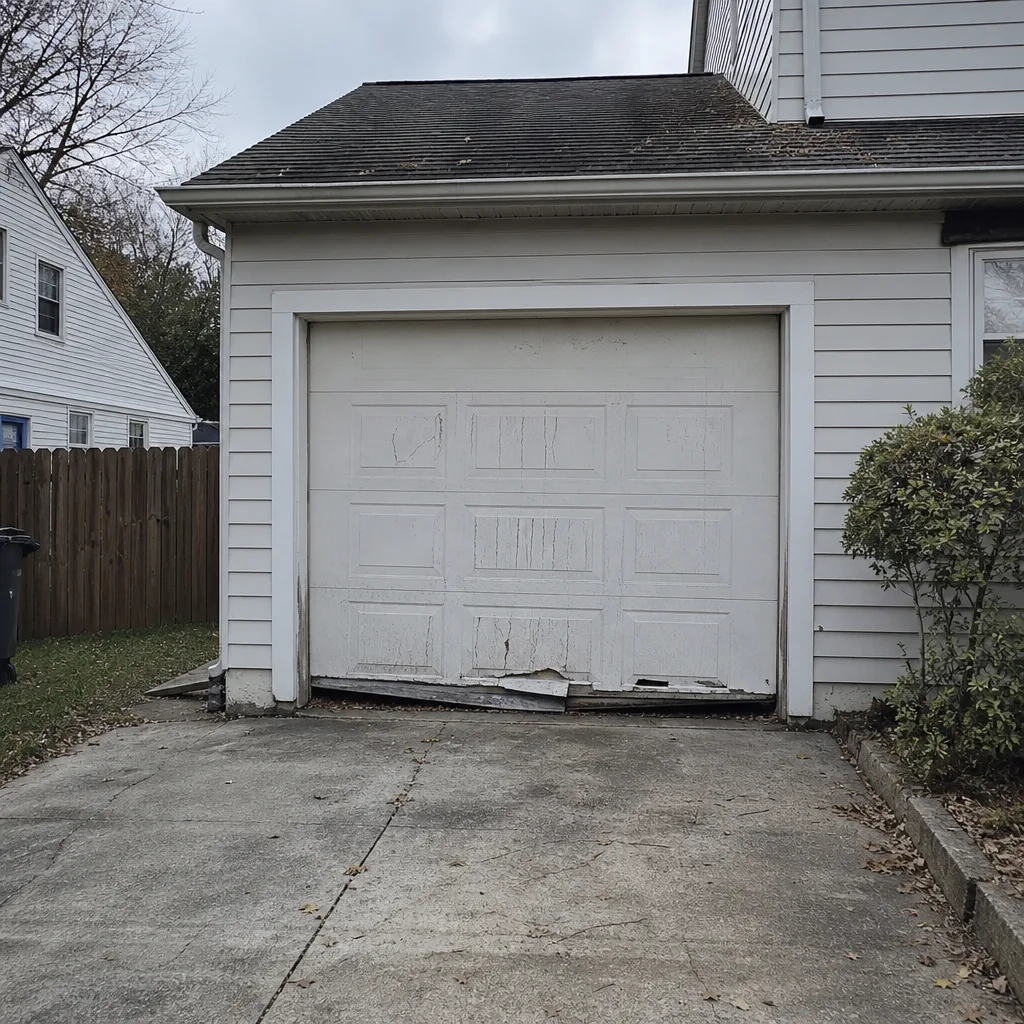 Before
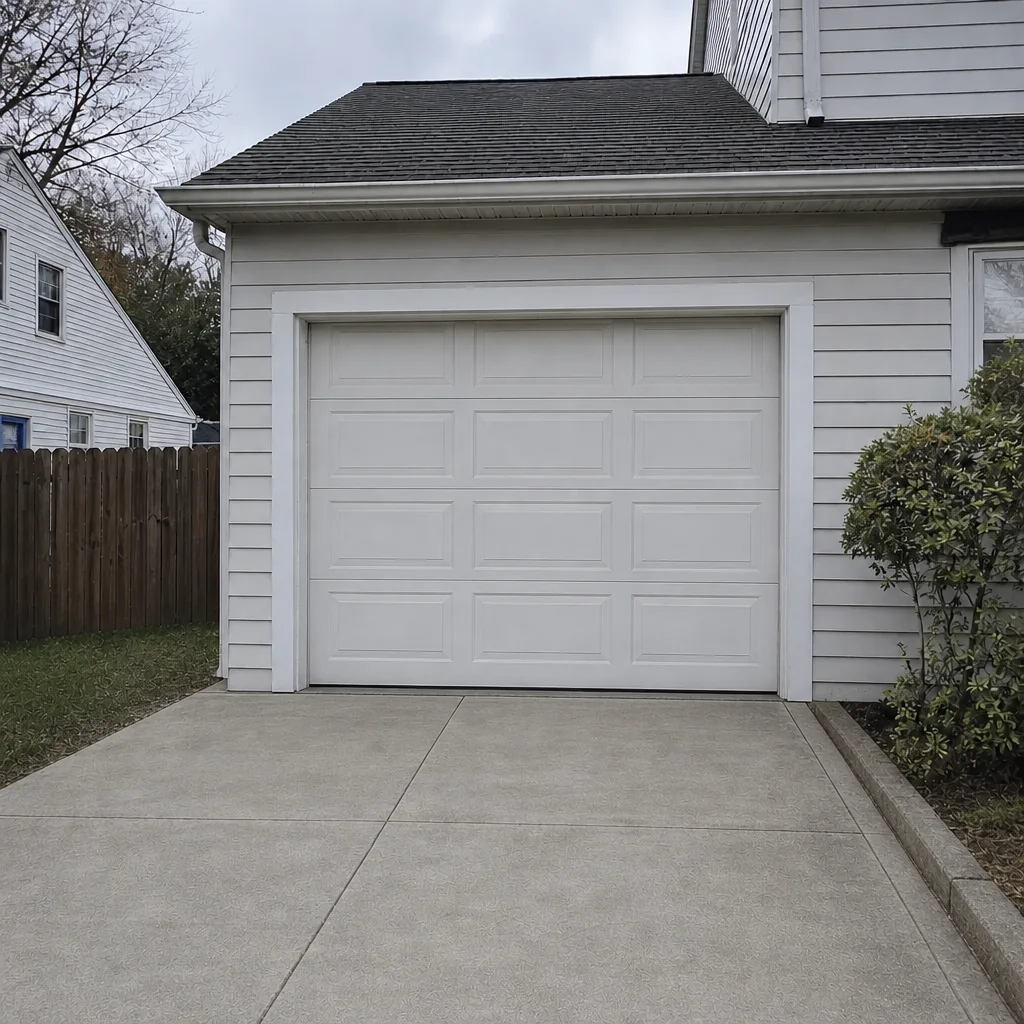 After
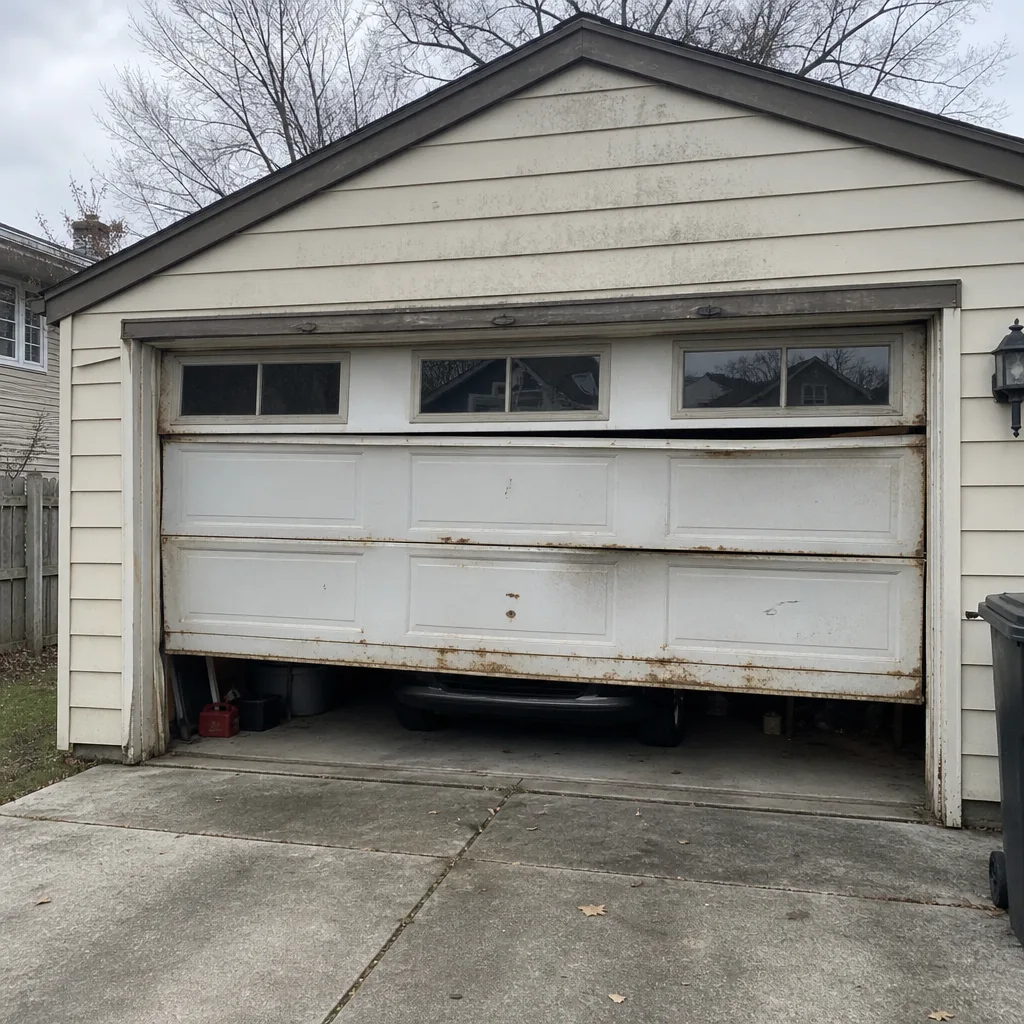 Before
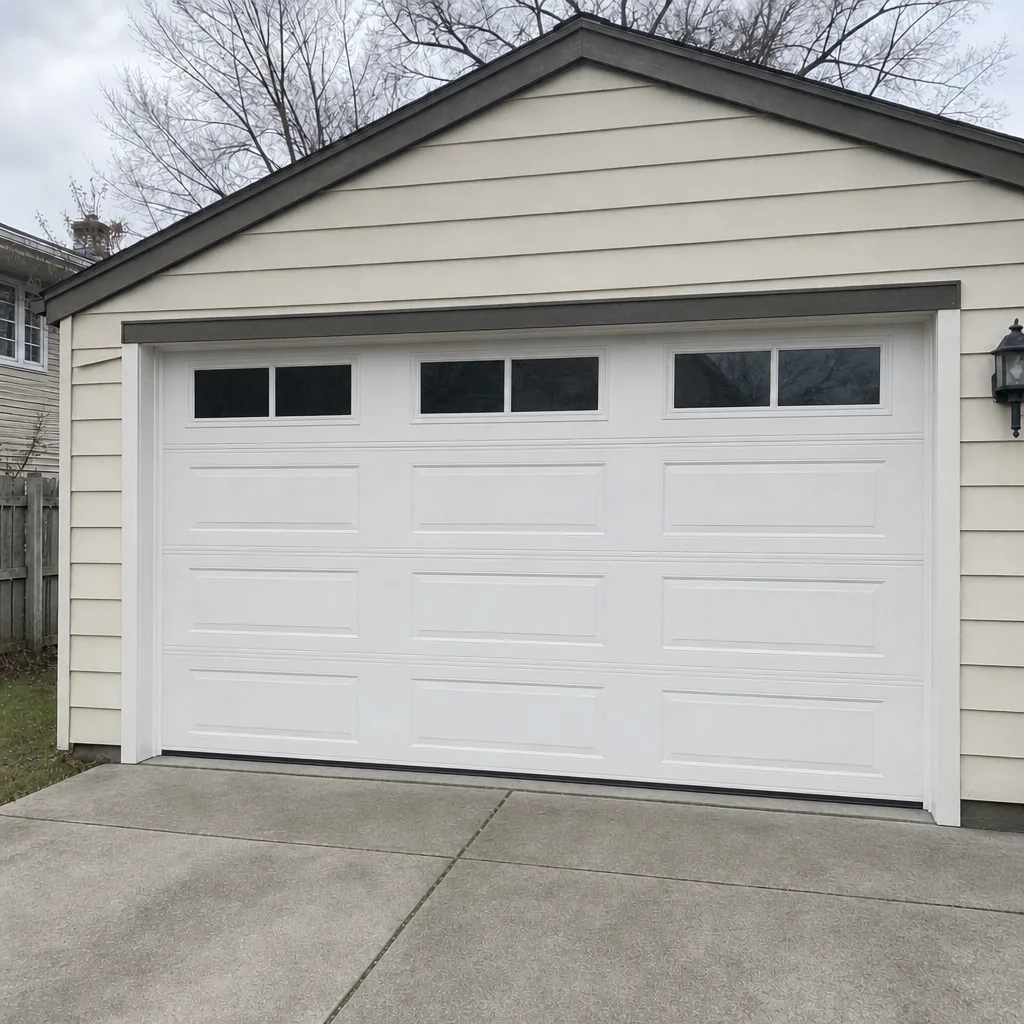 After
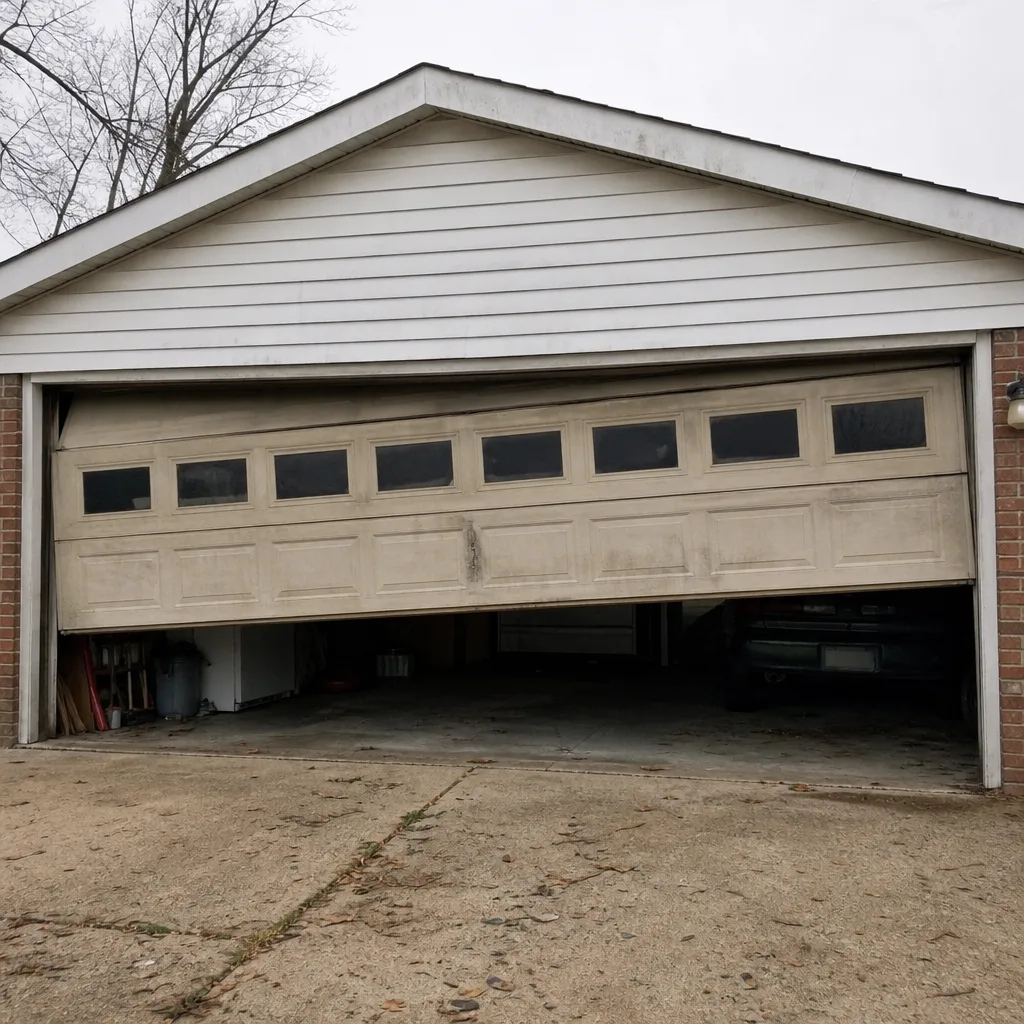 Before
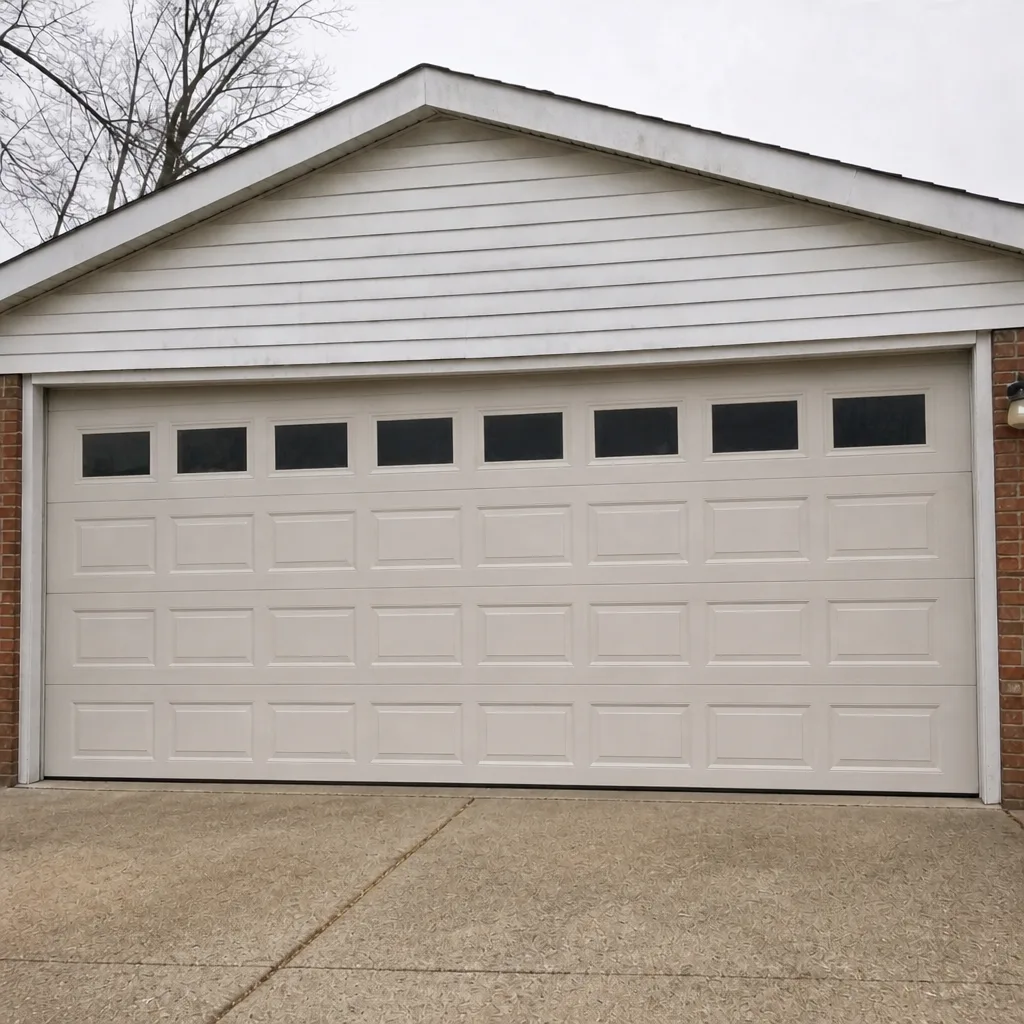 After
When to Call a Professional
Some problems are worth chasing yourself. Others aren’t. Call a technician when the door won’t lift and you hear a bang or see a broken spring, when the door hangs crooked or a cable is visibly off the drum, when the opener trips a breaker repeatedly, or when the door reverses despite clean, aligned sensors and no obstruction. Same goes for a door that’s stiff but balanced, if a round of roller and track inspection doesn’t resolve it. Those scenarios carry real risk if you push further, and they’re the ones a proper assessment resolves fast. In those cases, residents in Bayside can call Bayside Garage Door Repair Pros for a free estimate. Reach us at (877) 757-2379, or get an emergency visit if the door is stuck open or can’t close.
Frequently Asked Questions
Spring repair costs in Bayside typically run several hundred dollars for a single spring, and a matched pair is usually replaced together at roughly double, because the two springs are balanced and one failing means the other is near the end of its life. The written estimate sets the final price, and we quote and agree the price before any work starts. Call (877) 757-2379 for an exact quote; estimates are free.
Yes, a door that won’t close is exactly what our emergency service is for, and we can usually respond the same day. A stuck-open door is a security and weather problem, so we treat it as urgent. Call (877) 757-2379 and tell us the symptom; we’ll get a trained technician out fast.
Listen for the sound and look at the position. A broken spring usually makes a single loud bang and leaves a visible gap in the coil above the door, and the door hangs dead weight. A broken cable more often makes a sharp twang or heavy thud and leaves the door hanging crooked with one side higher, and you may see a frayed cable near the bottom corner. Either way, don’t touch it. Call (877) 757-2379 for a free estimate.
No. We quote the price in writing and agree it with you before any work starts, so the price you accept is the price you pay. If something unexpected turns up during the job, we stop and agree a revised quote before proceeding. Call (877) 757-2379 for a free estimate.
Yes, the local pro we connect you with is licensed and insured as the state requires. Our technicians have up to 11 years of experience, and they specialize exclusively in garage doors, not general handyman work. Call (877) 757-2379 to book a visit.
A door that reverses before closing is most often a safety sensor problem, not a track or opener failure. Check that both sensor units show a lit LED and that nothing is between them, then wipe both lenses and test again. If it still reverses, call (877) 757-2379 for a free estimate.
The Bottom Line
Most garage door troubleshooting success comes down to identifying which of the five systems is failing before you start replacing anything. Springs, cables, rollers and tracks, openers, and sensors each produce a distinct set of symptoms, and the triage sequence above separates them quickly. Test the door’s balance by hand with the opener disconnected, check the sensors early, and listen for the sound a failure makes. In Bayside, humidity and warm-season moisture accelerate roller and hinge wear, so a stiff door isn’t always a mechanical failure. Two repairs, spring replacement and cable re-threading, should always go to a professional. If your triage points to a repair you shouldn’t touch, call (877) 757-2379 for a free estimate. When your door won’t move, we move fast.
For a deeper look at how we handle the full system, including new installations, see garage door installation, or return to Bayside Garage Door Repair Pros to explore all our services.
Written by the team at Bayside Garage Door Repair Pros.